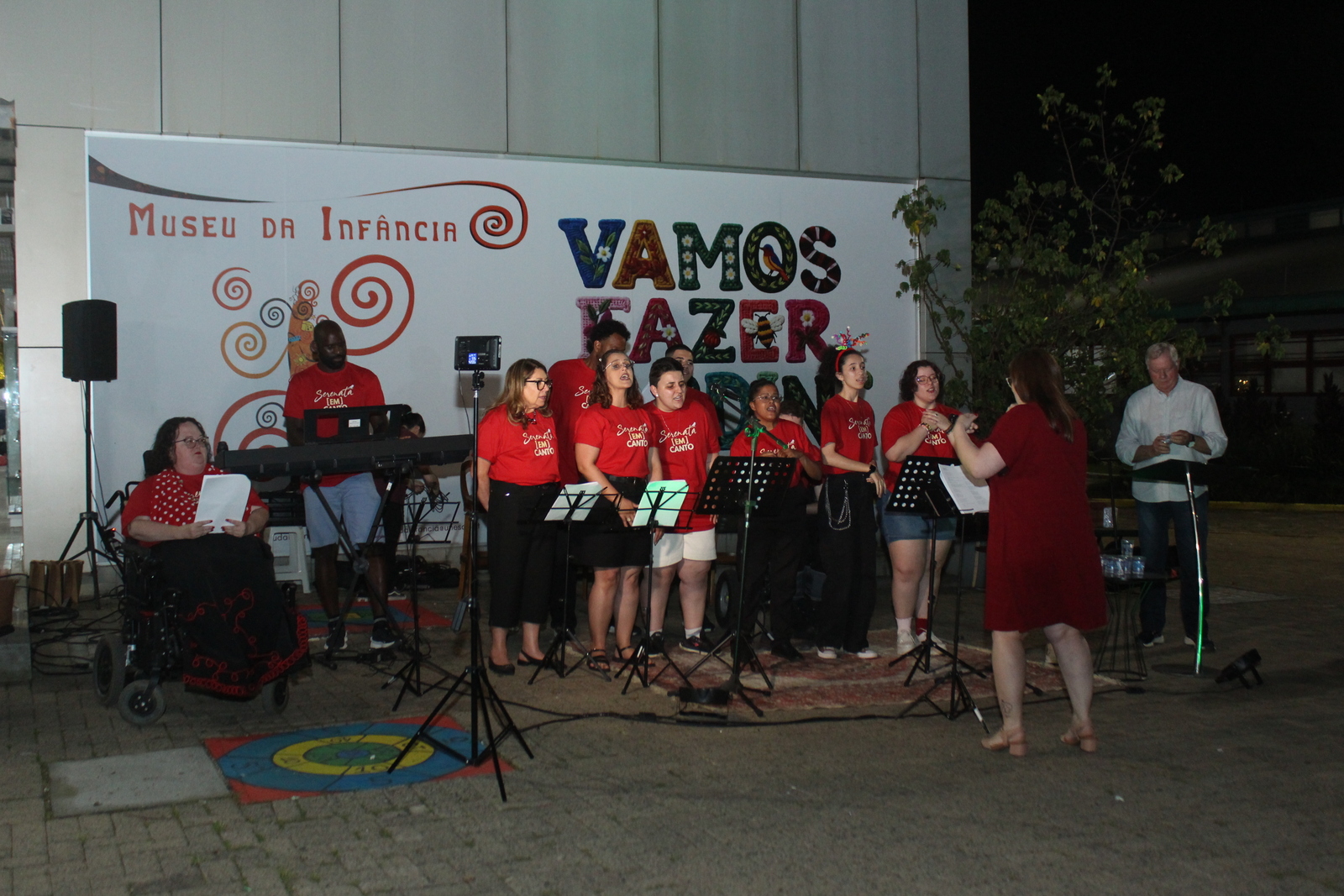
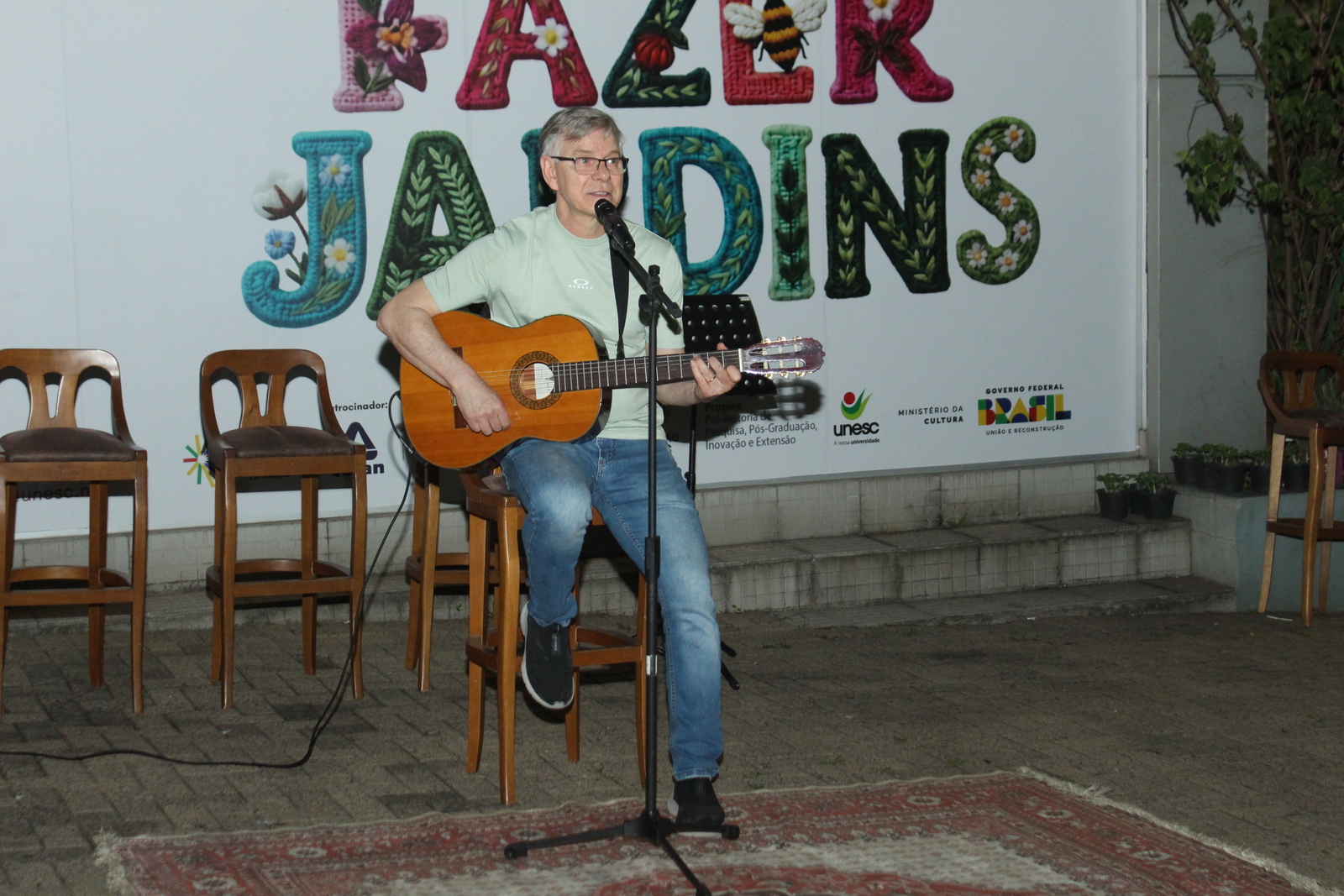
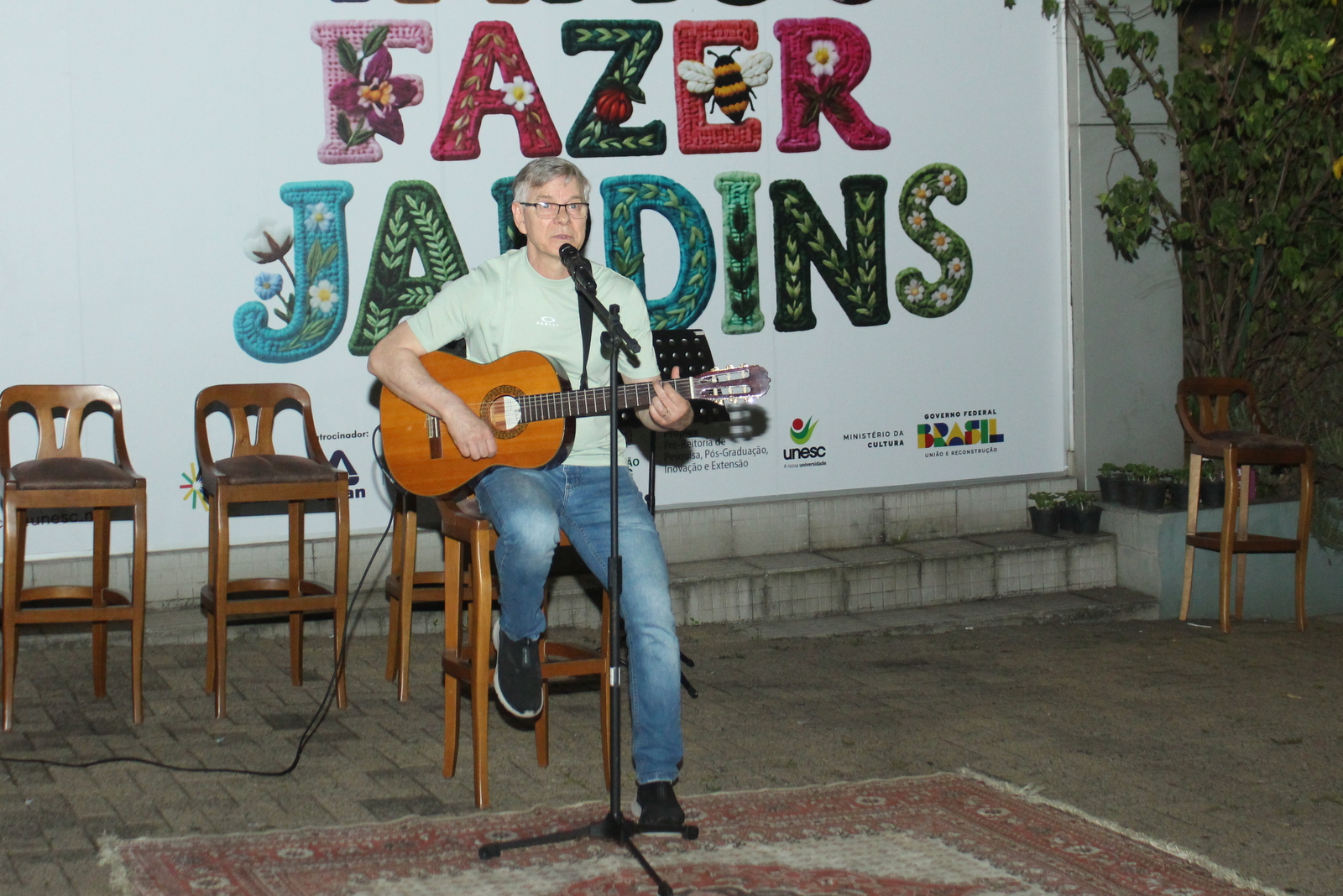
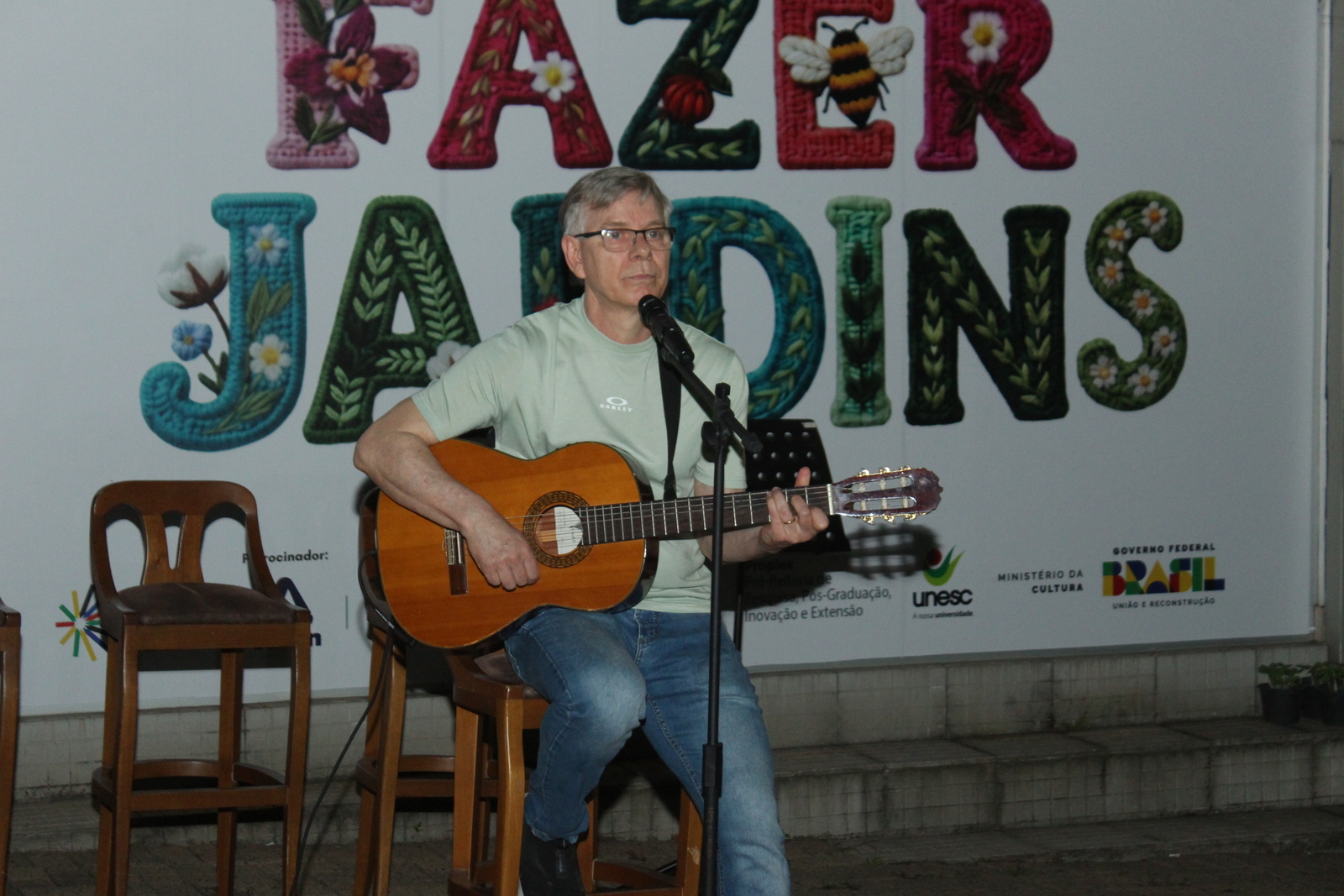
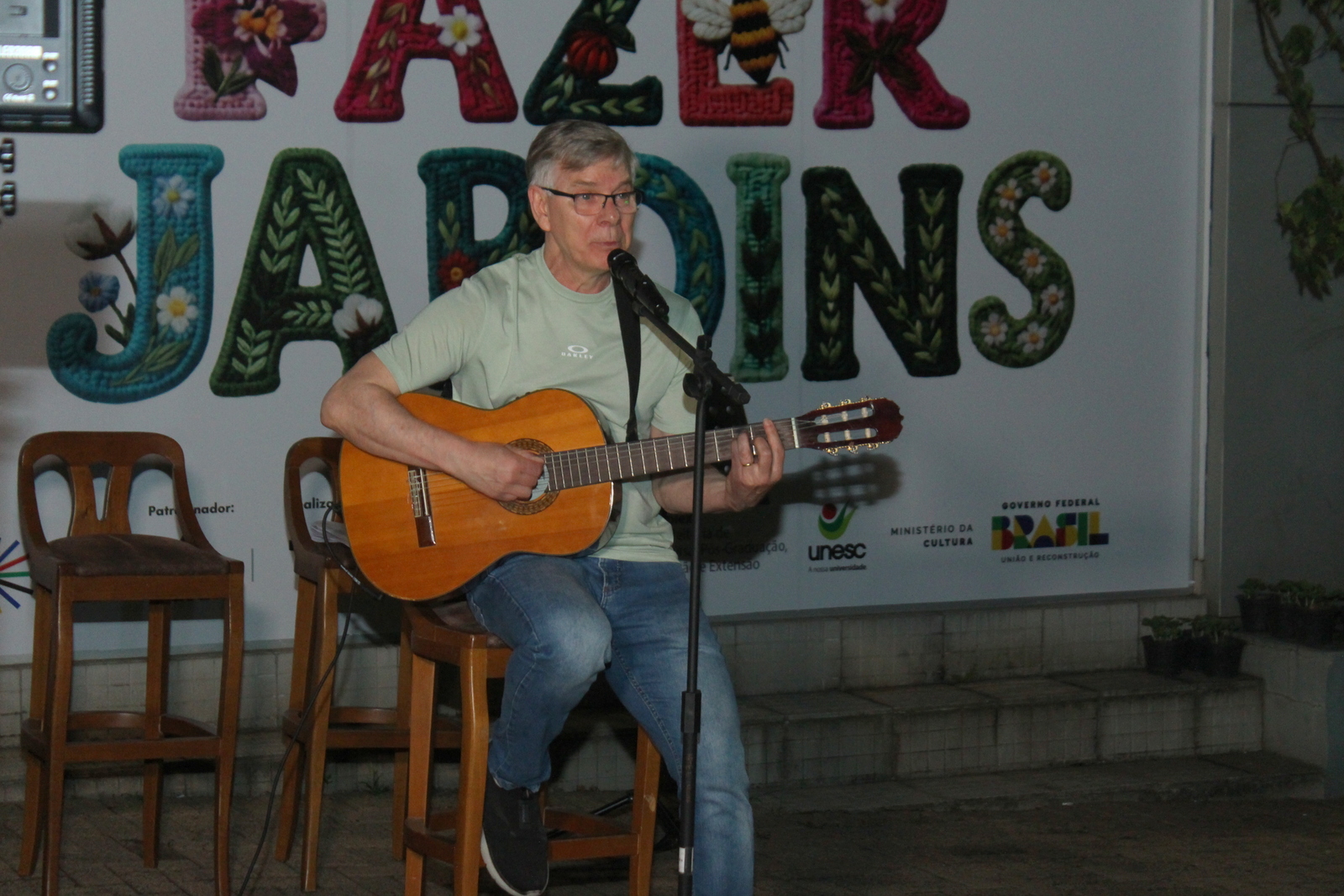
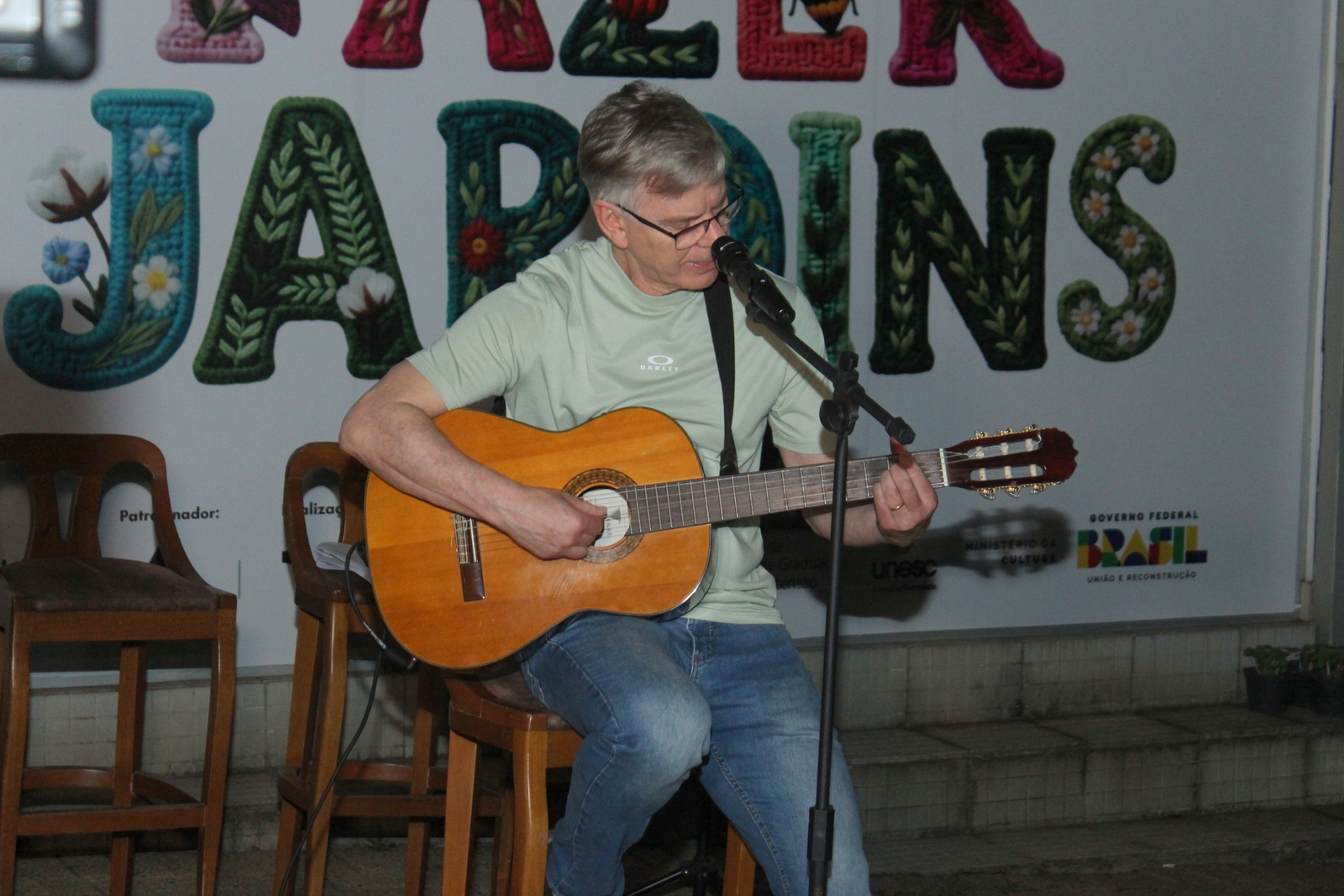
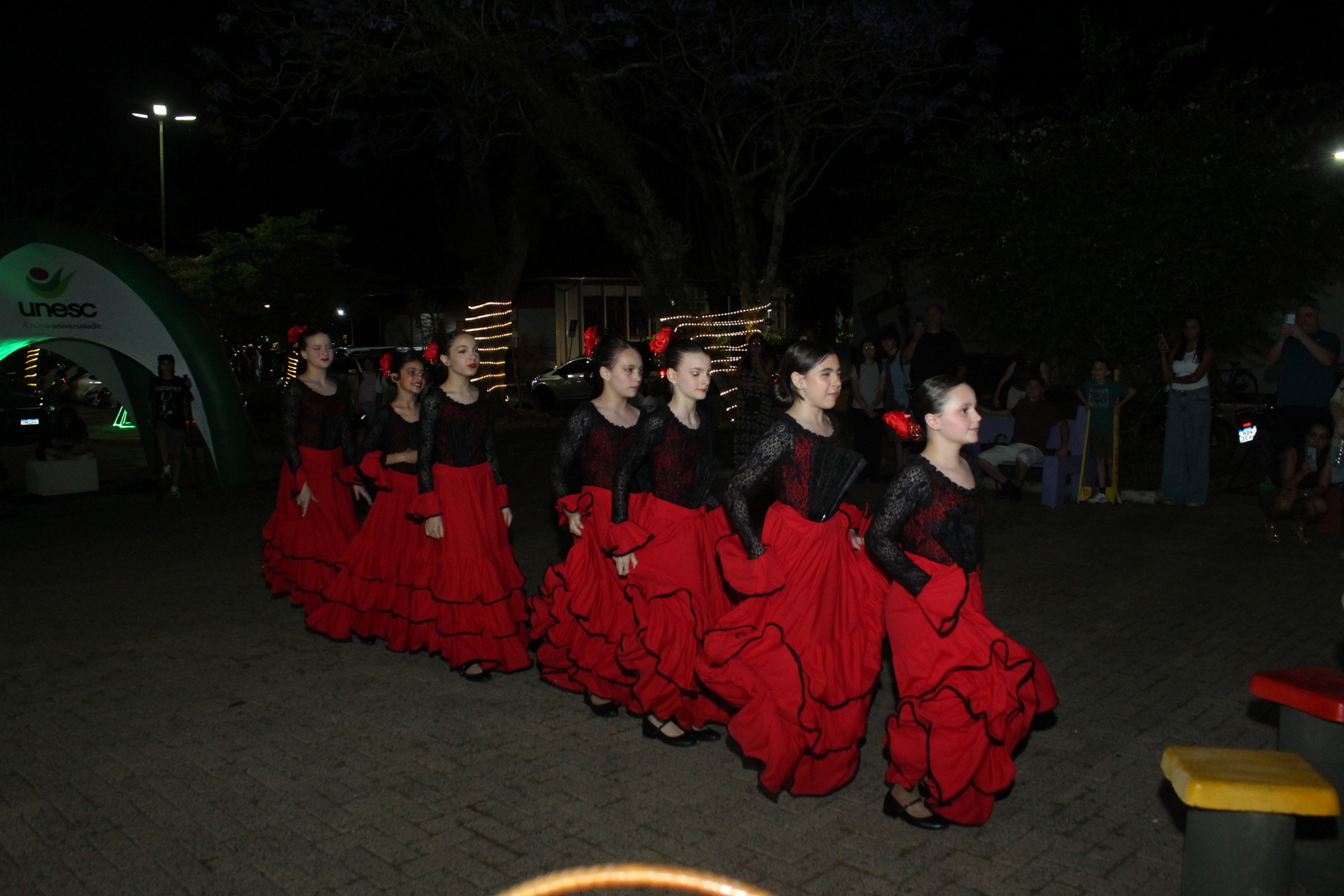
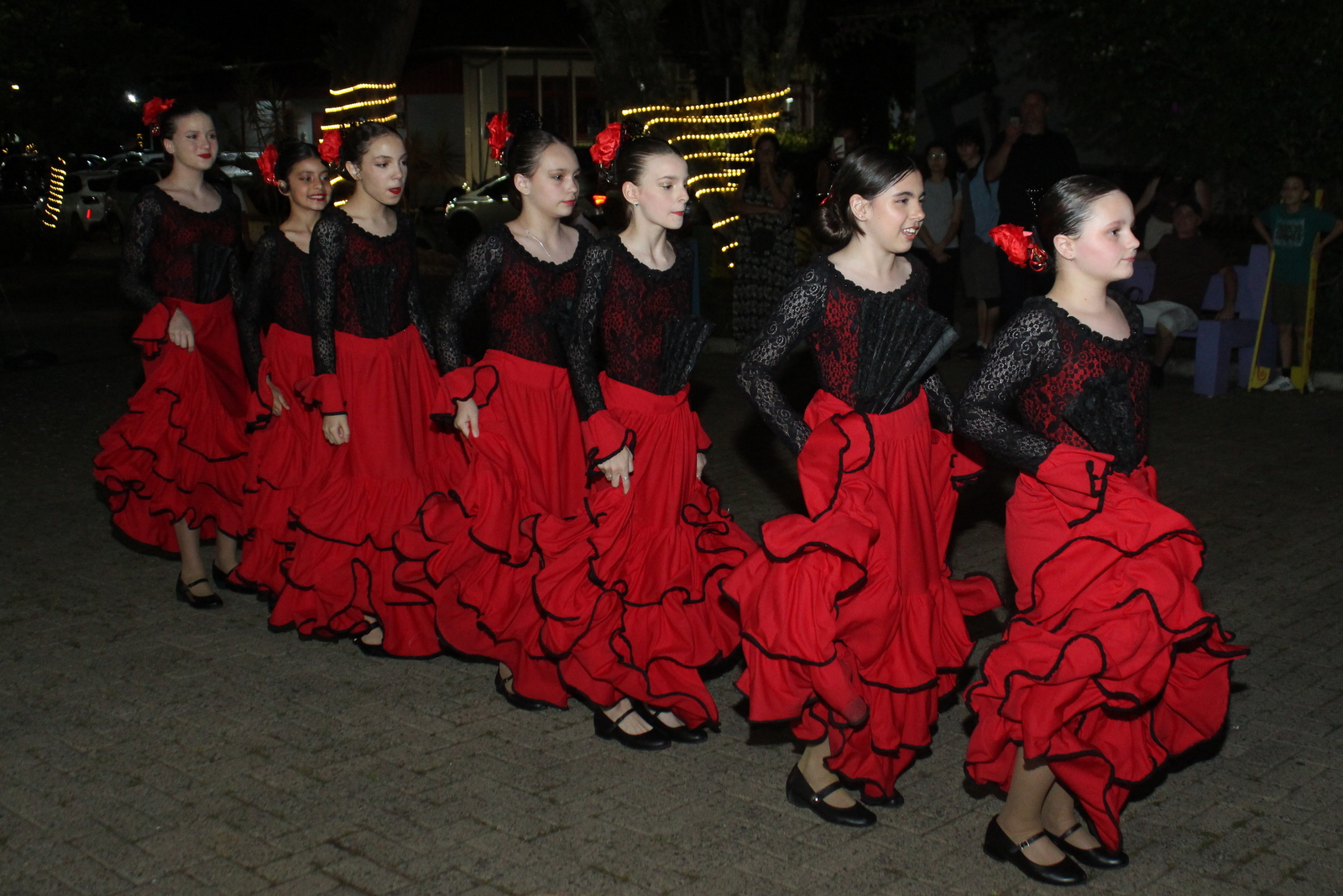
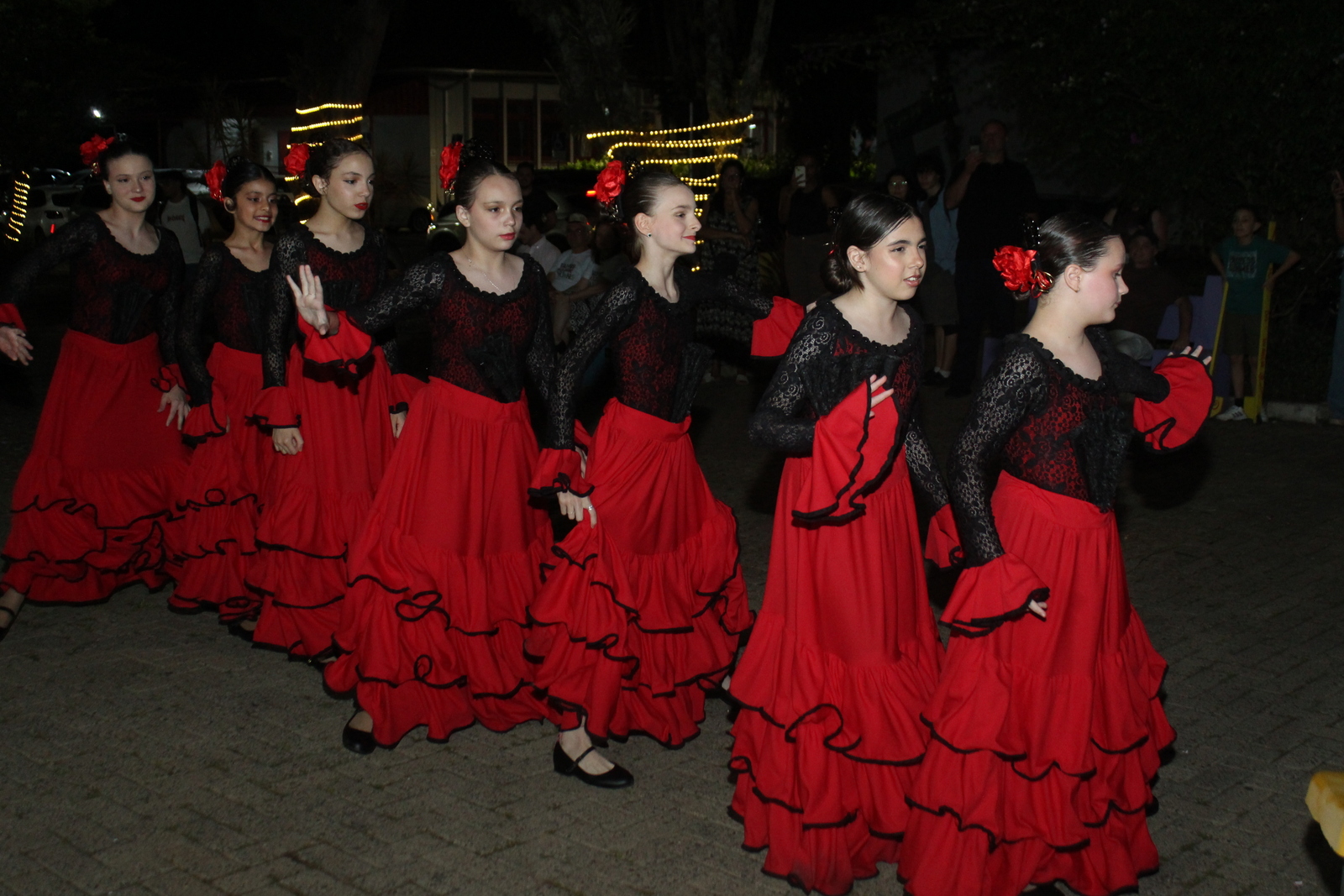
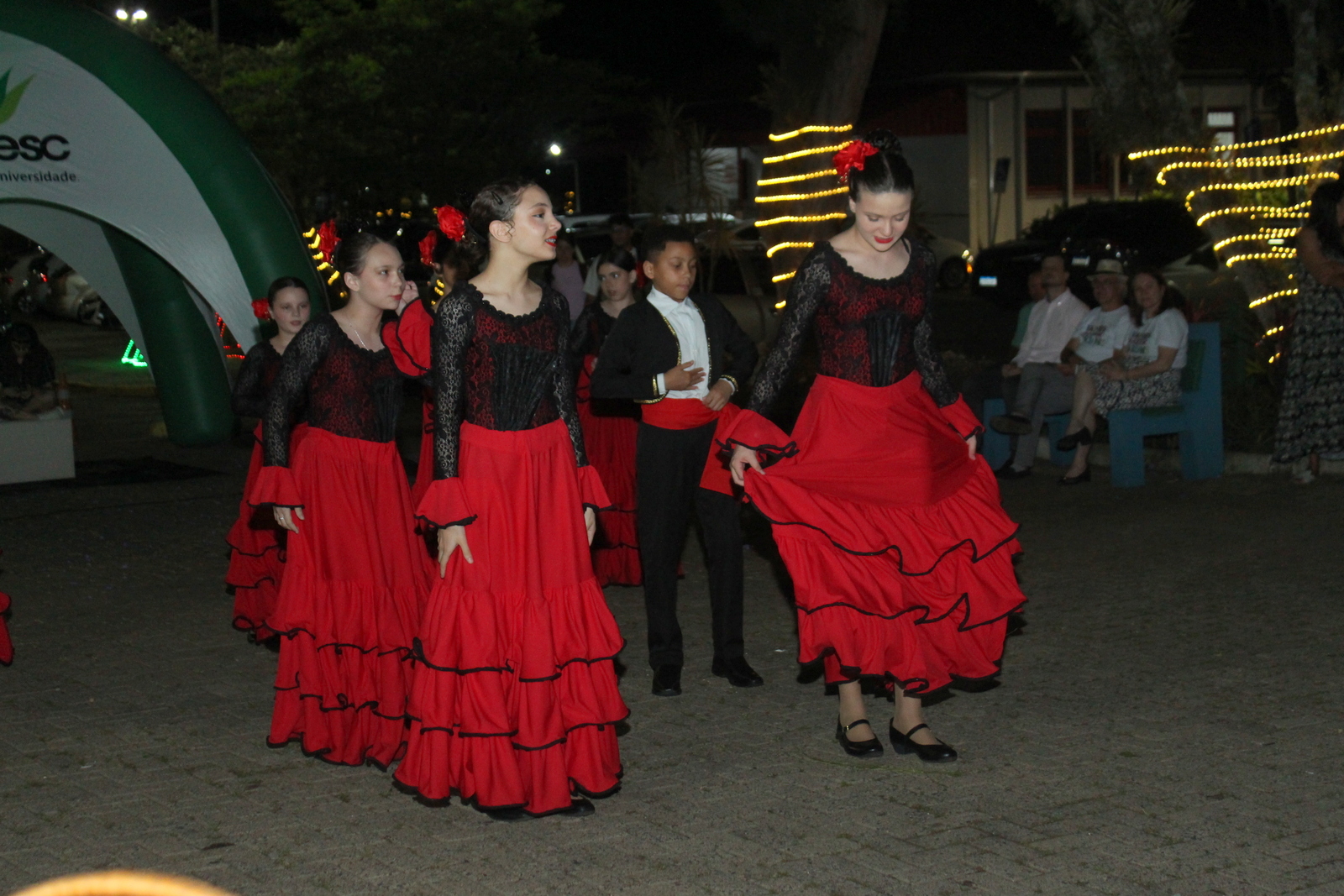
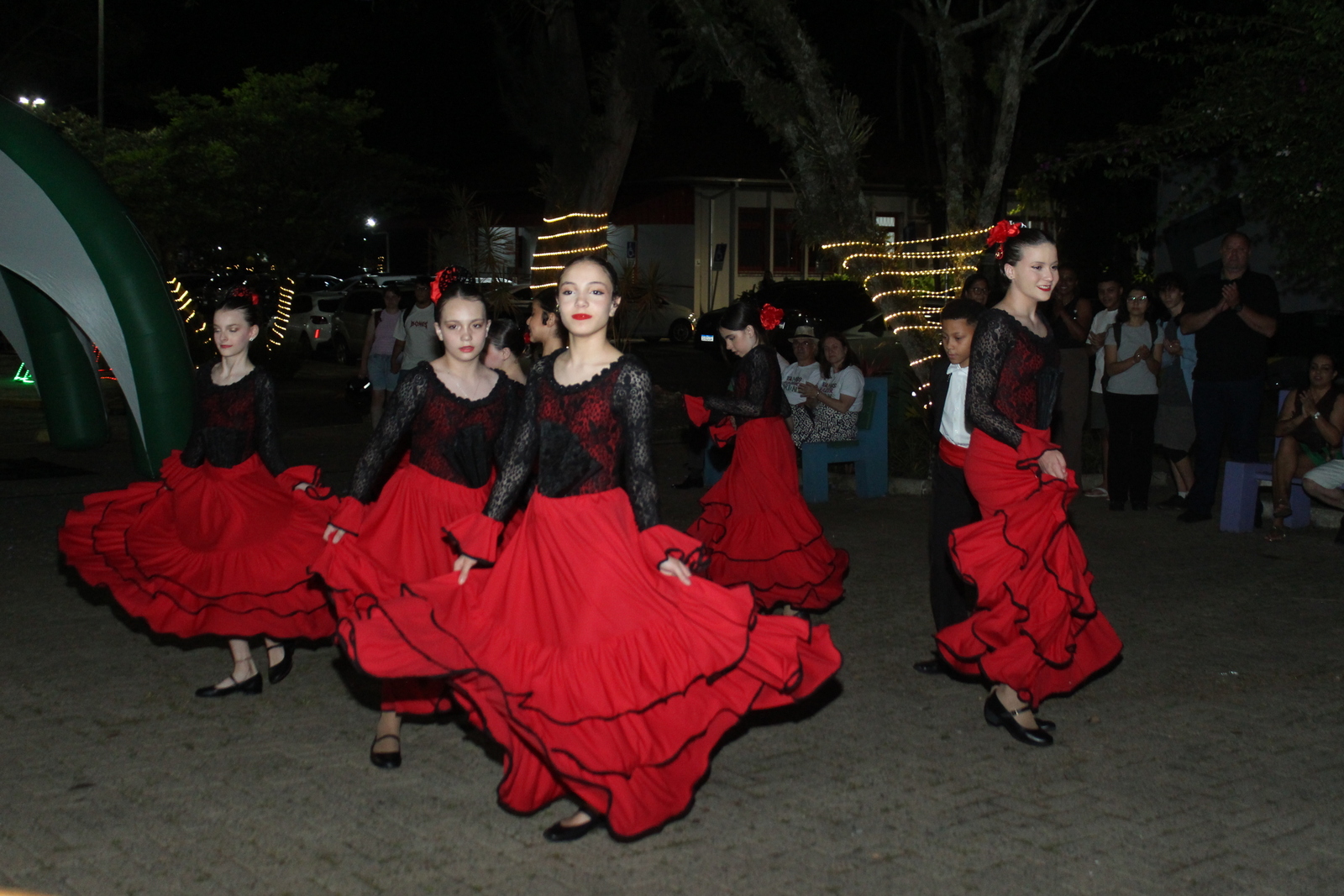
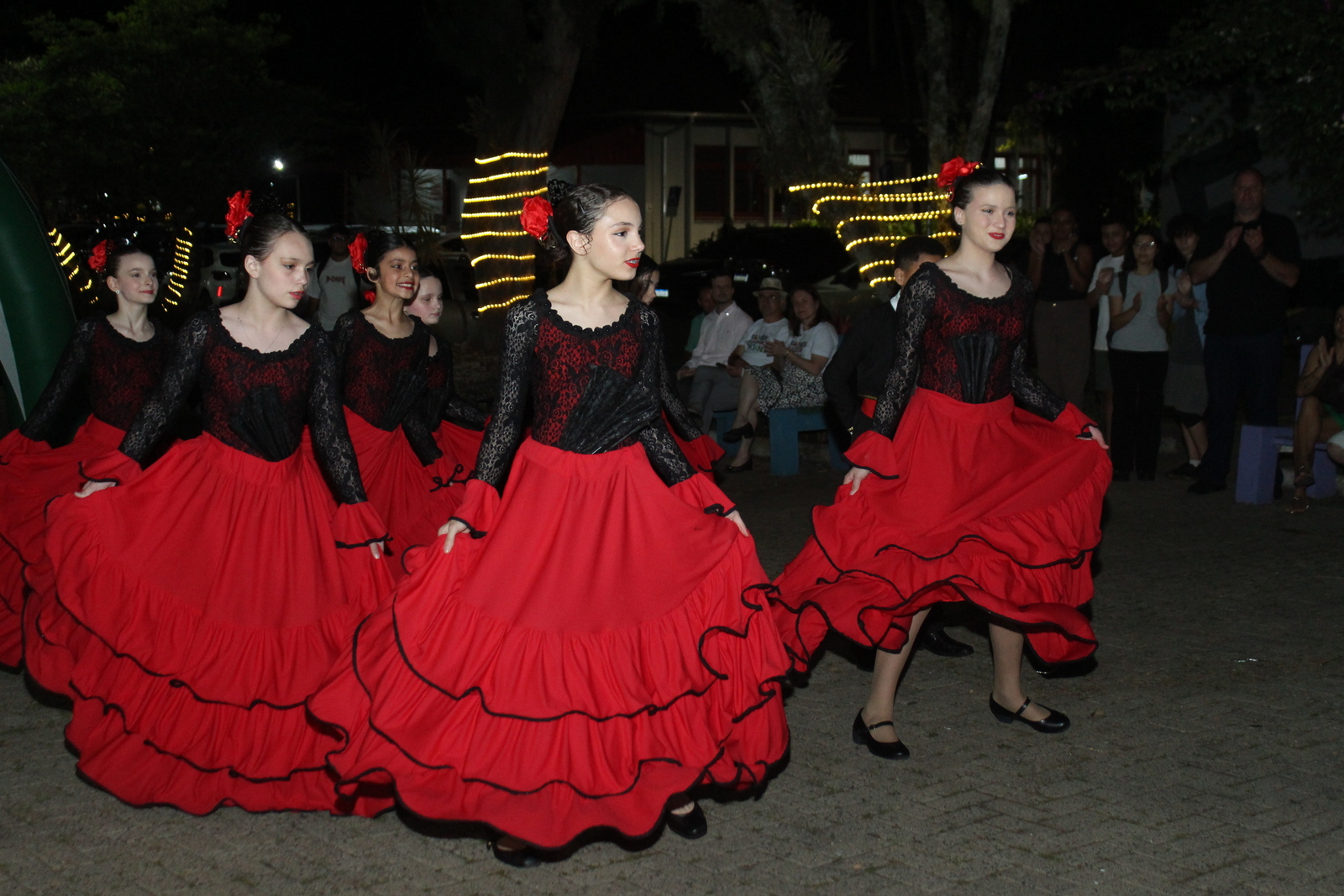
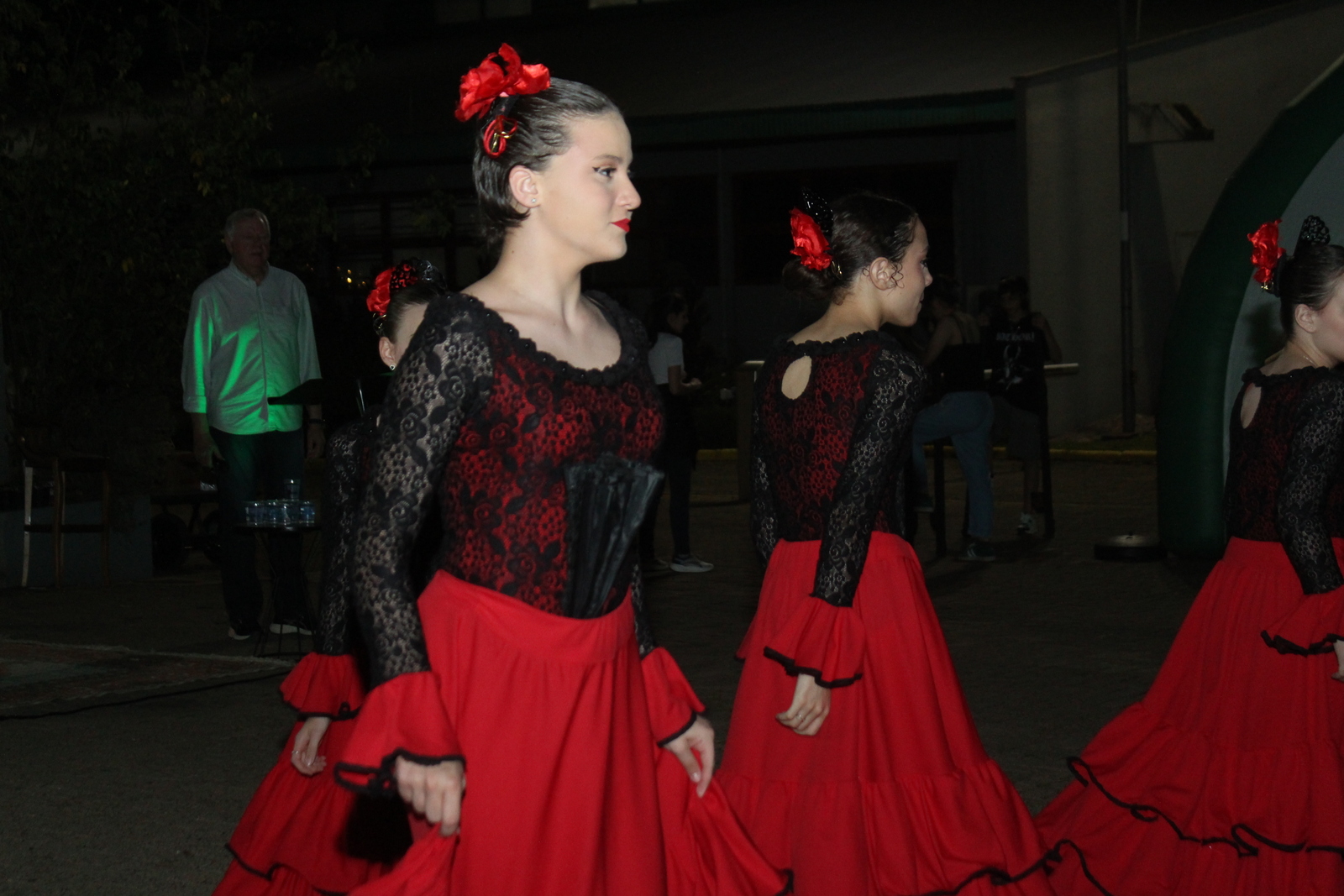
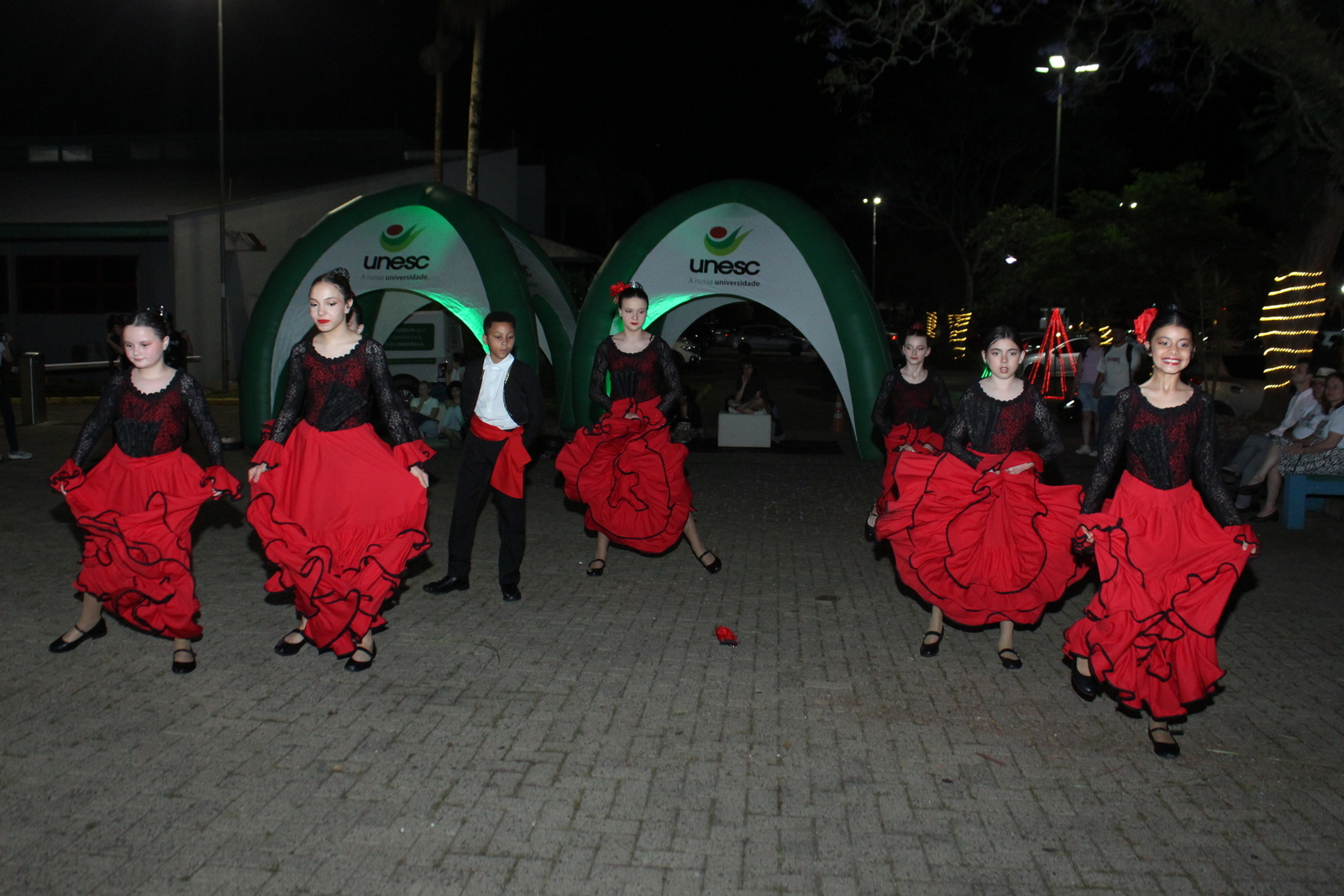
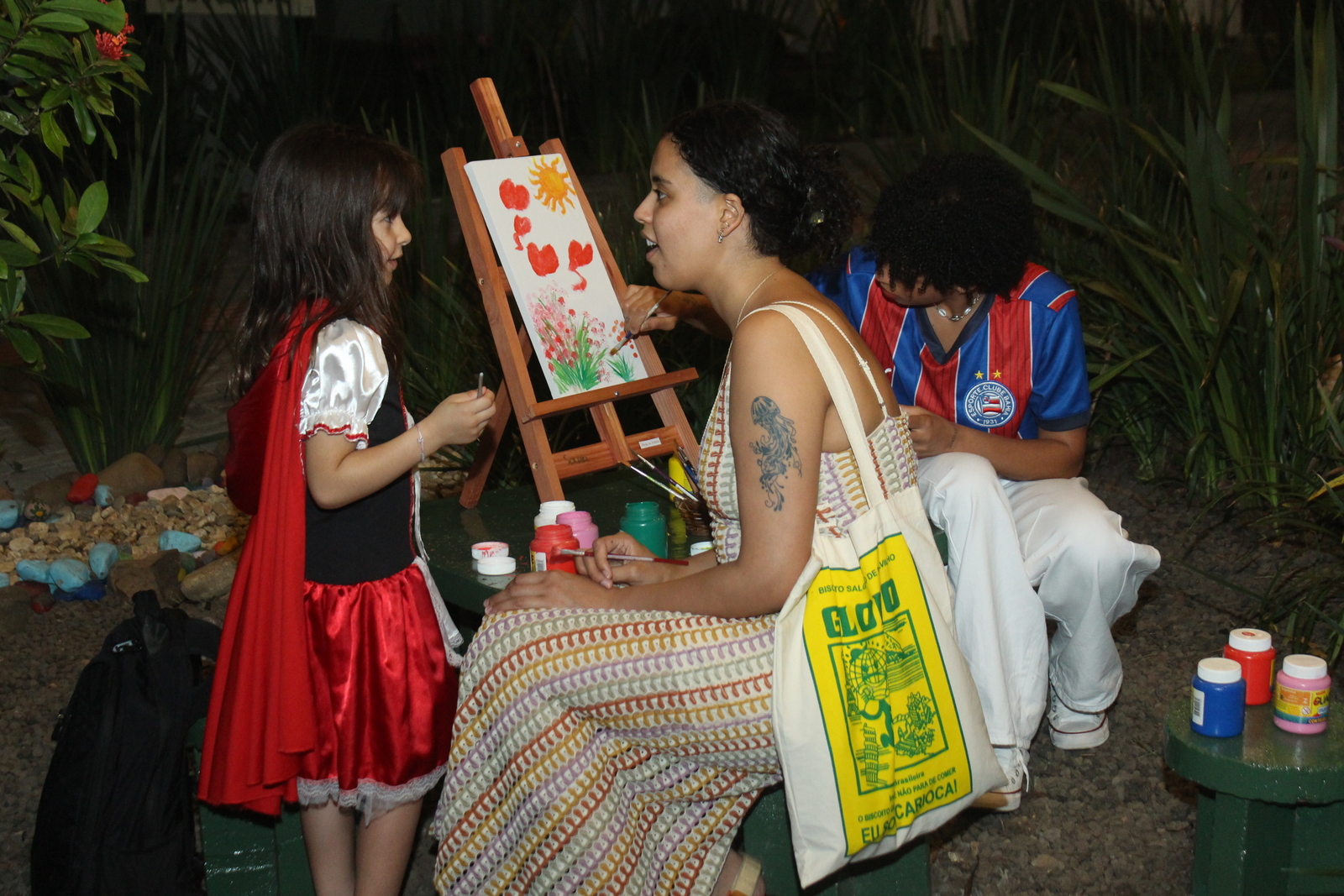
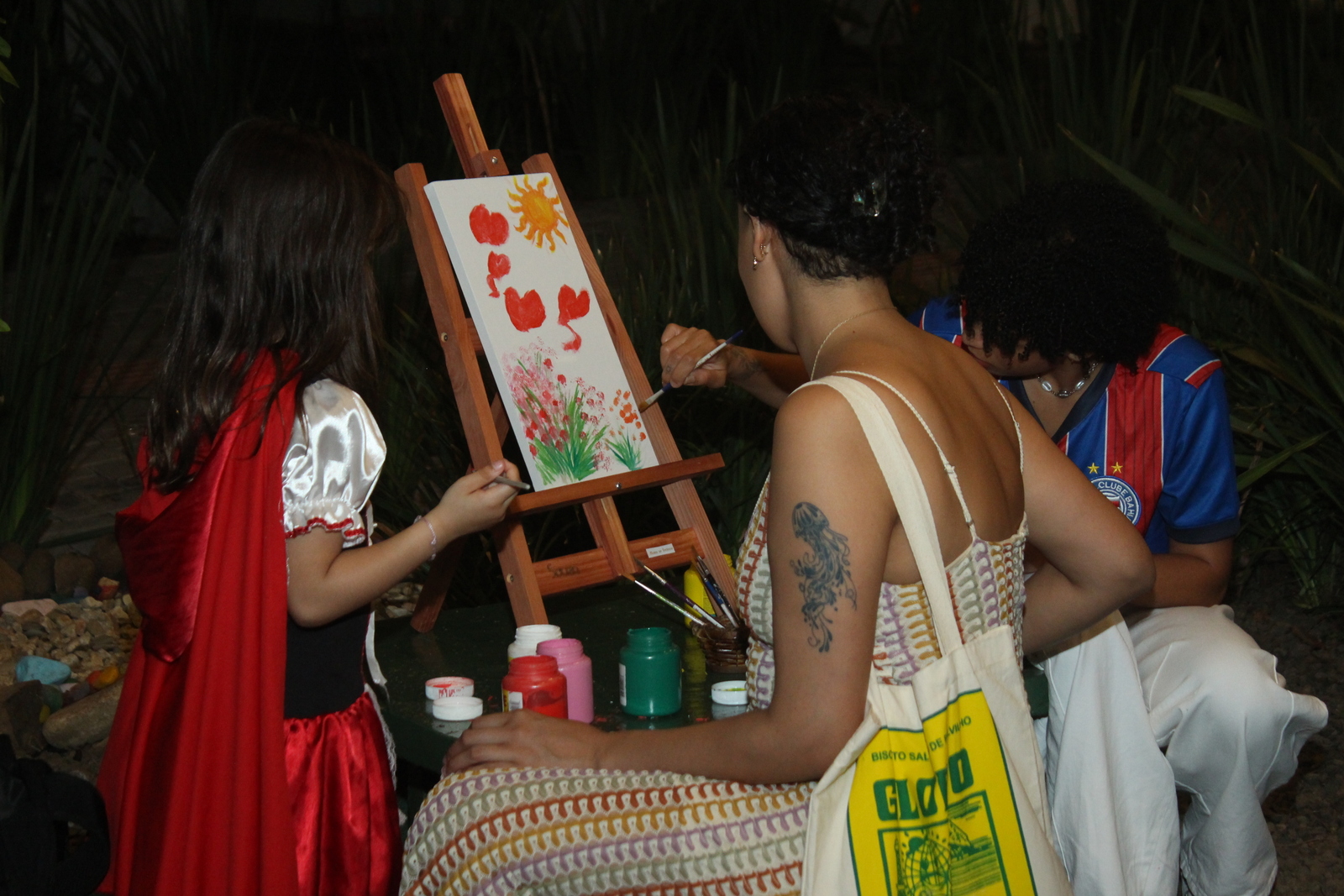
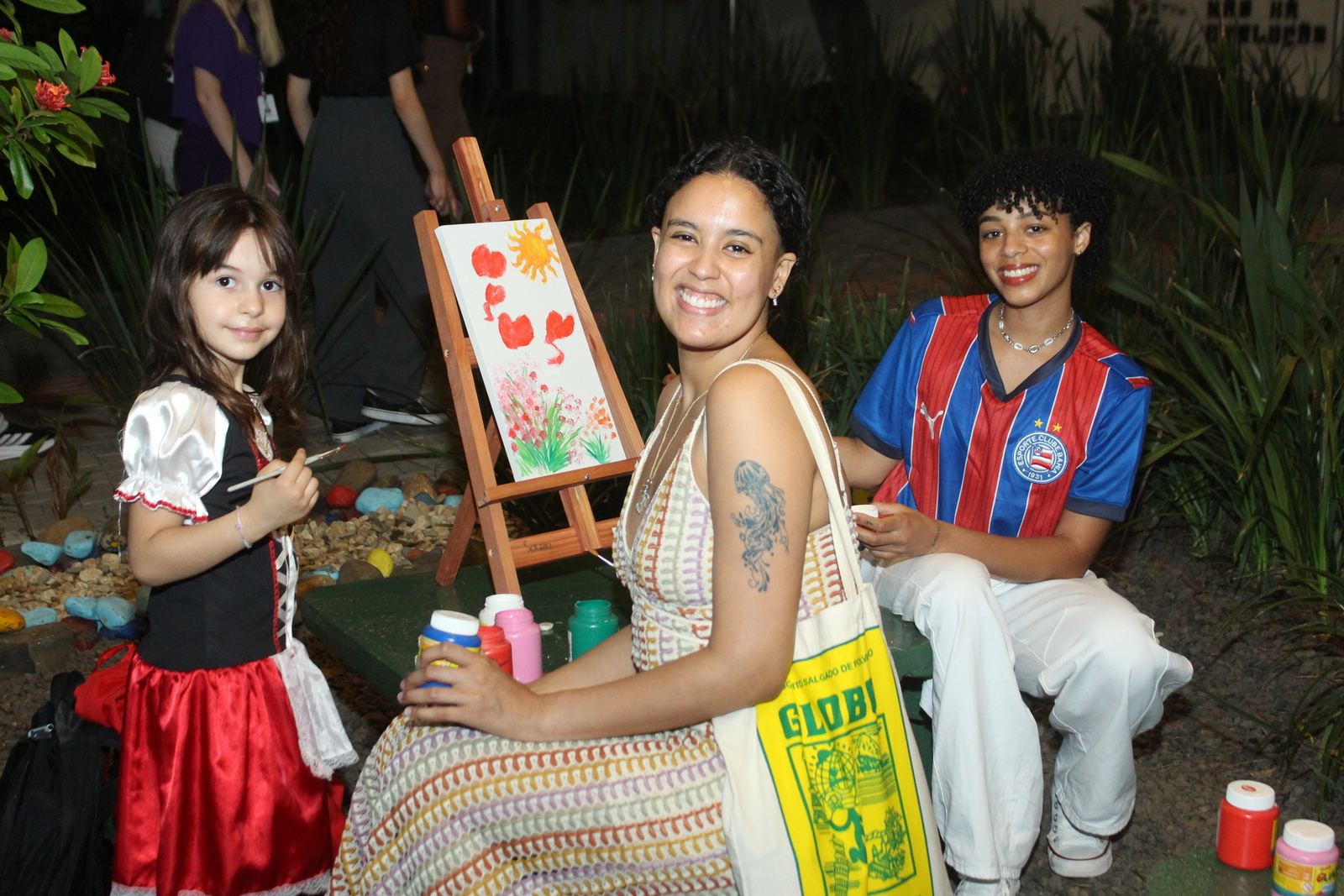
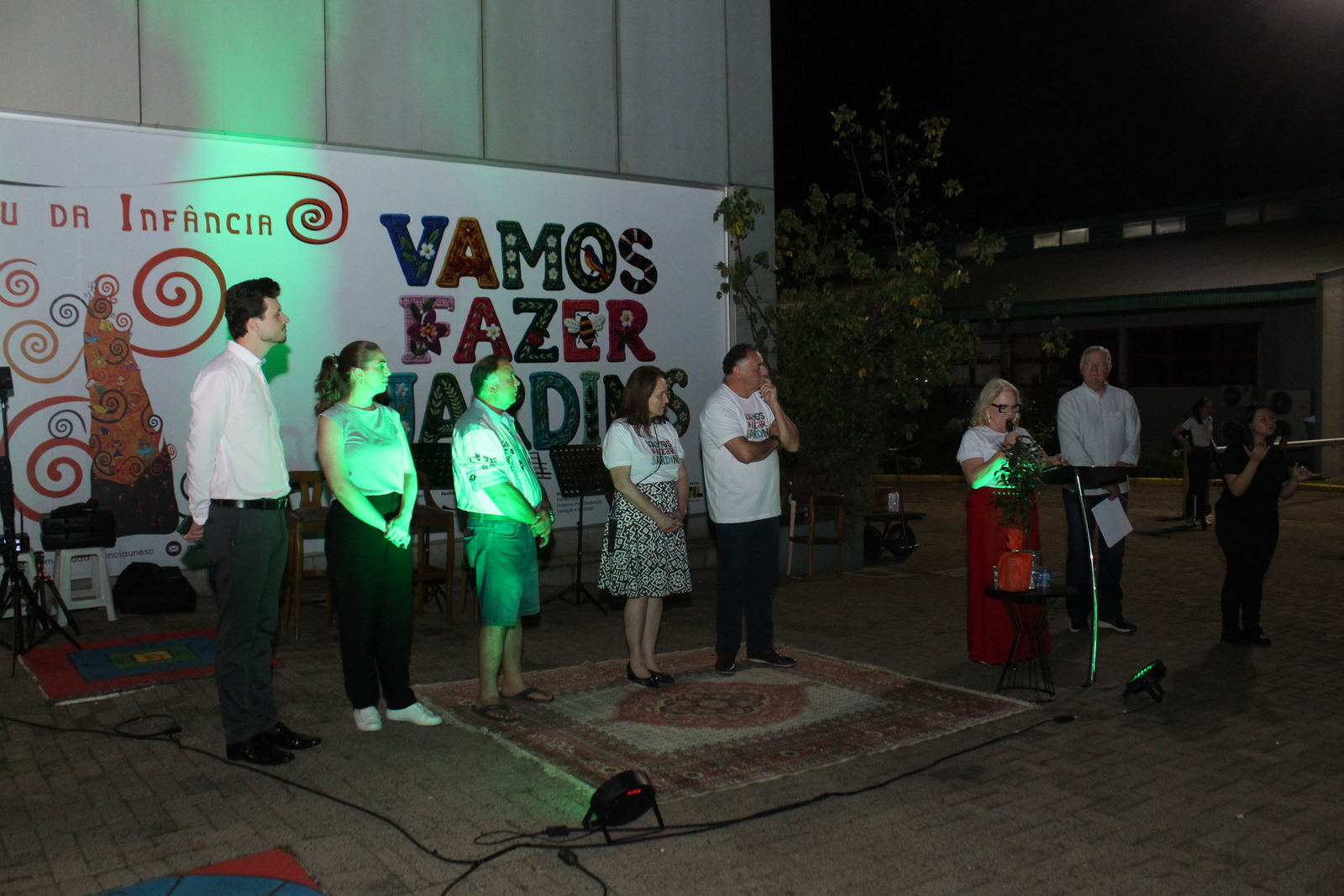
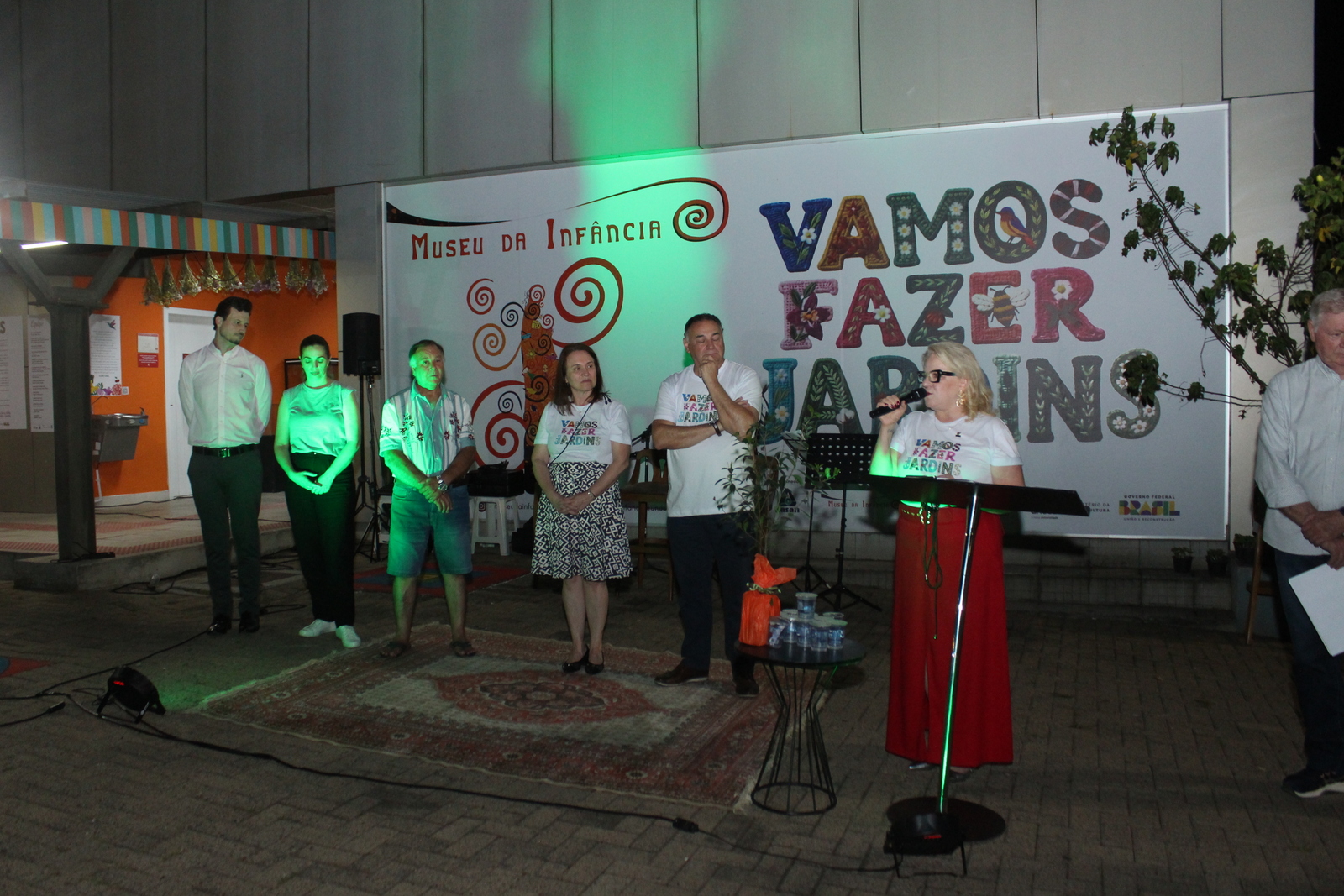
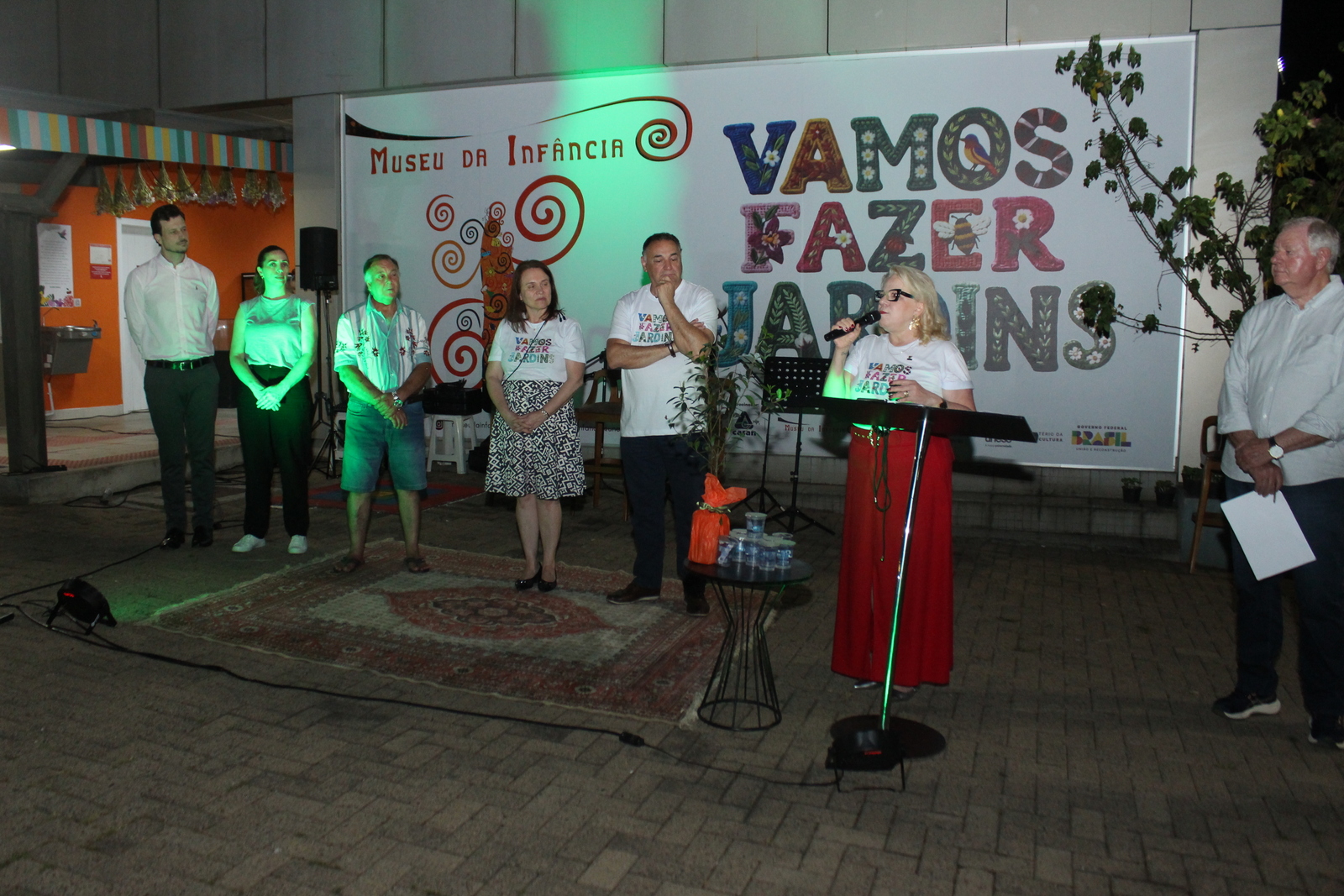
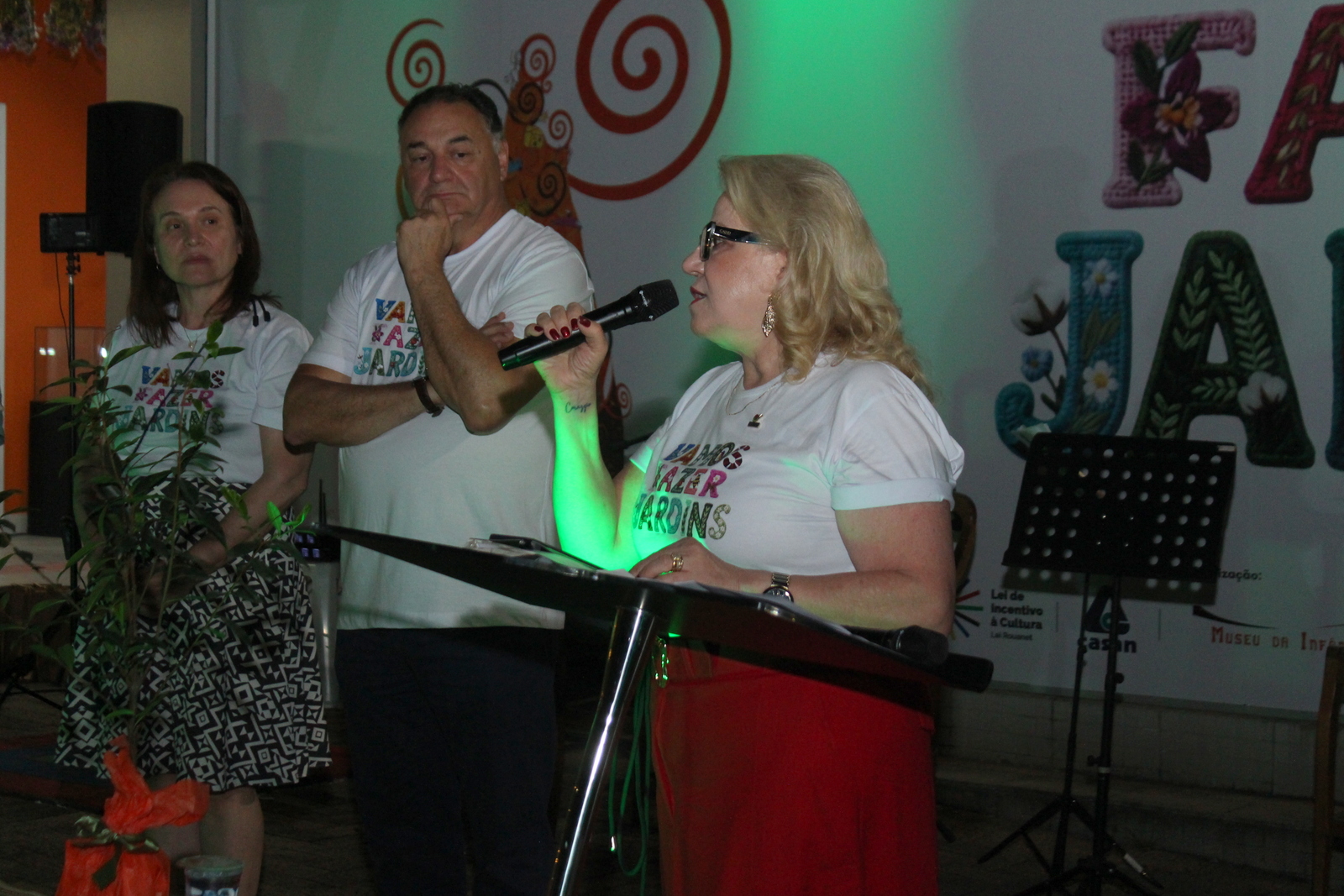
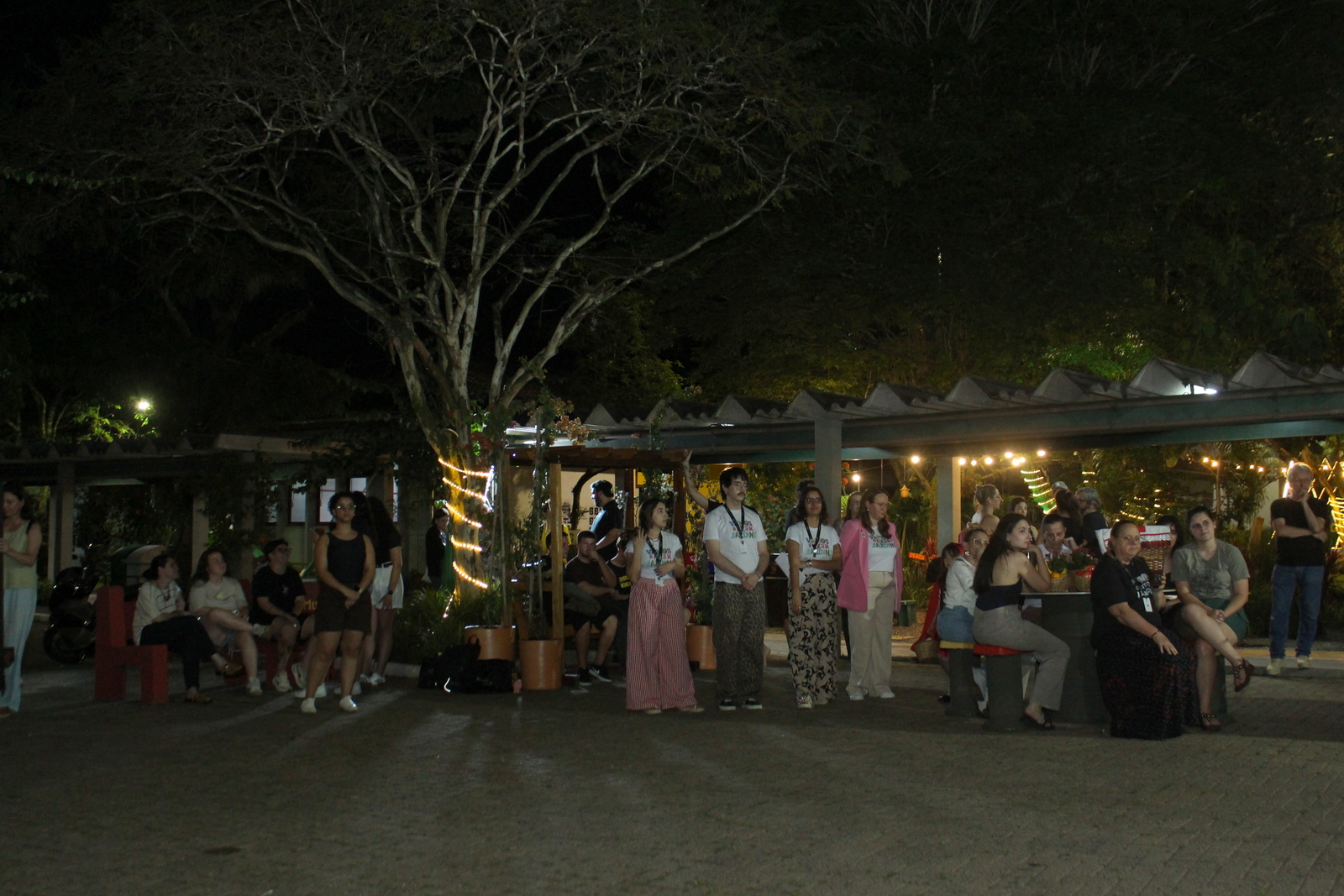
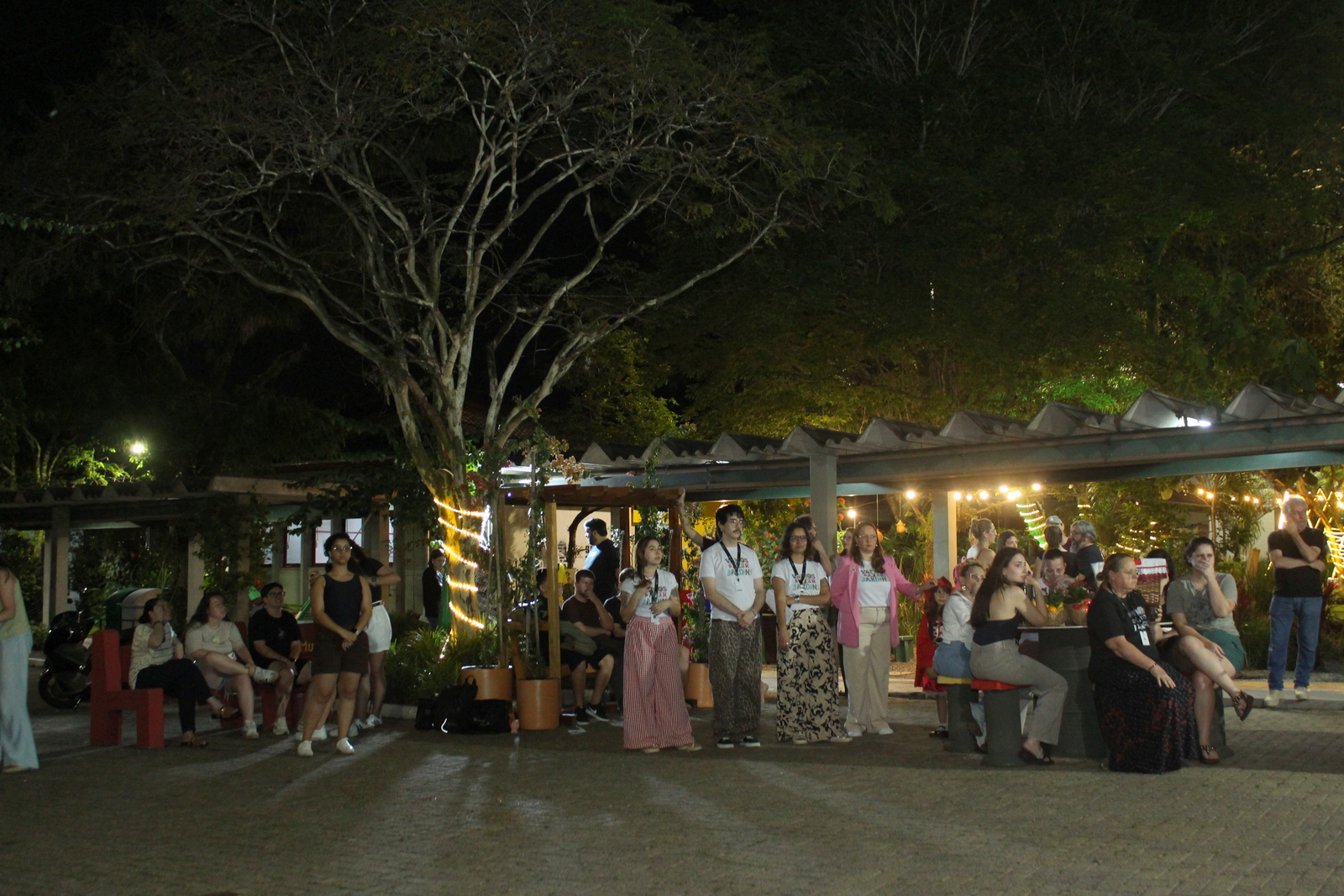
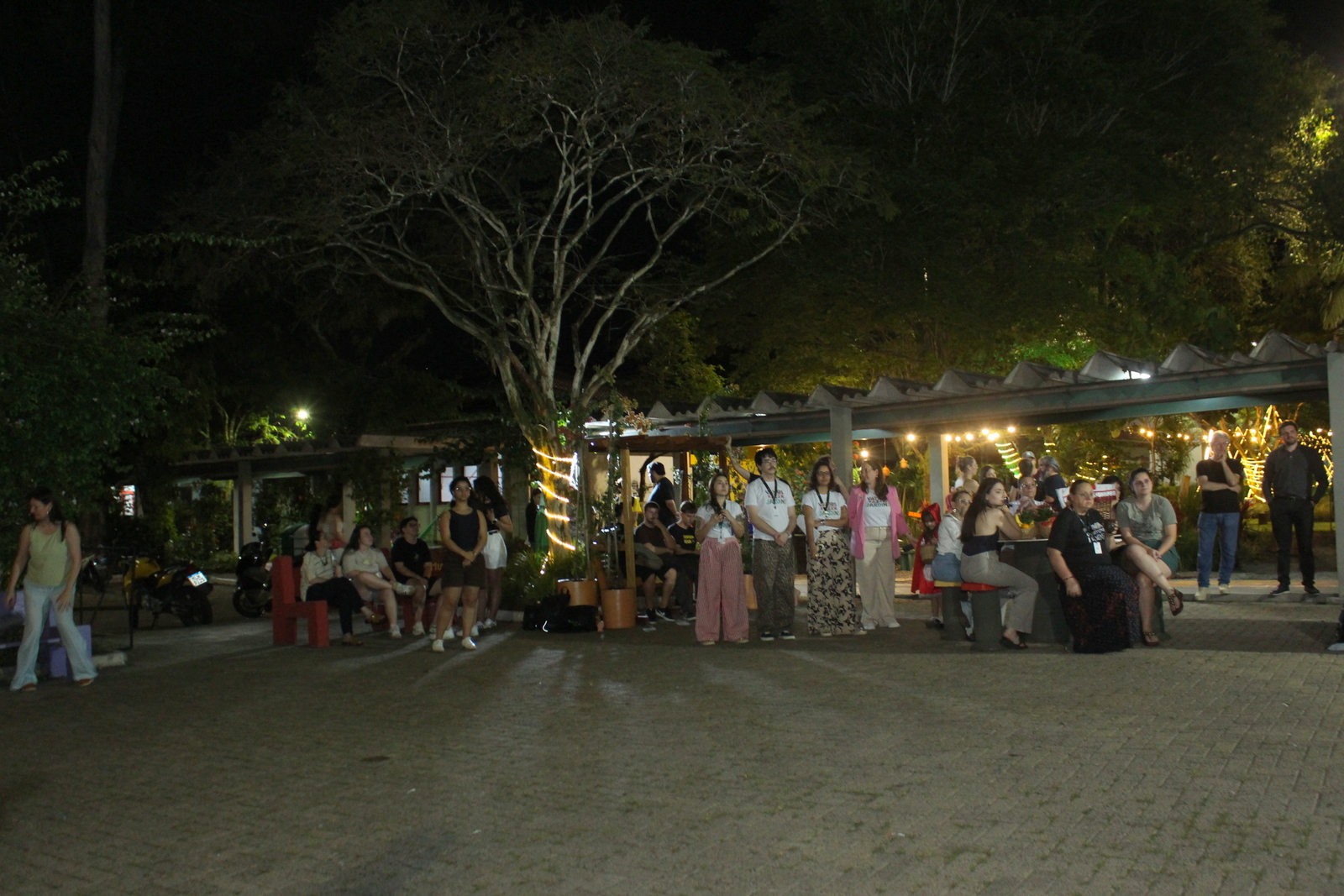
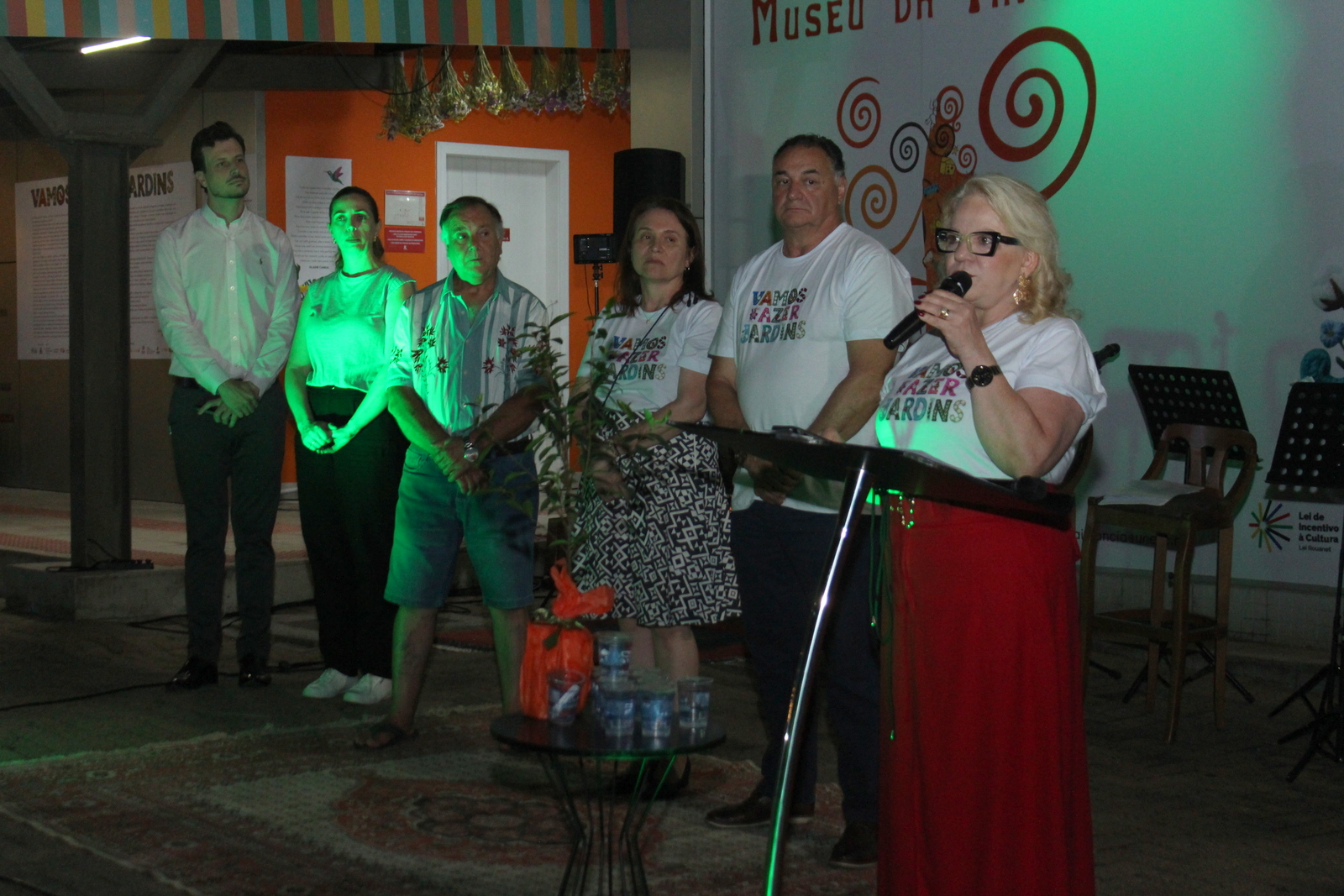
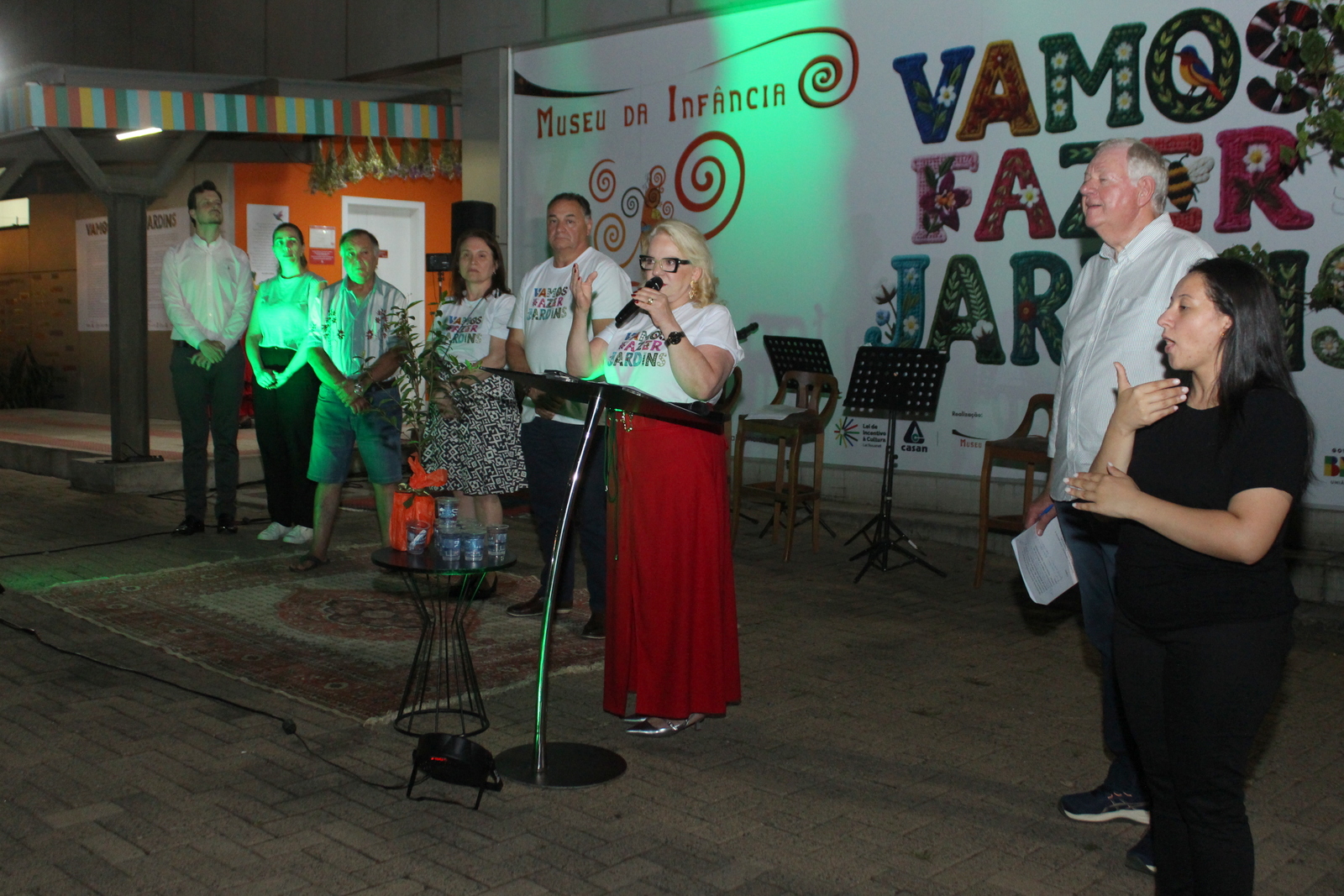
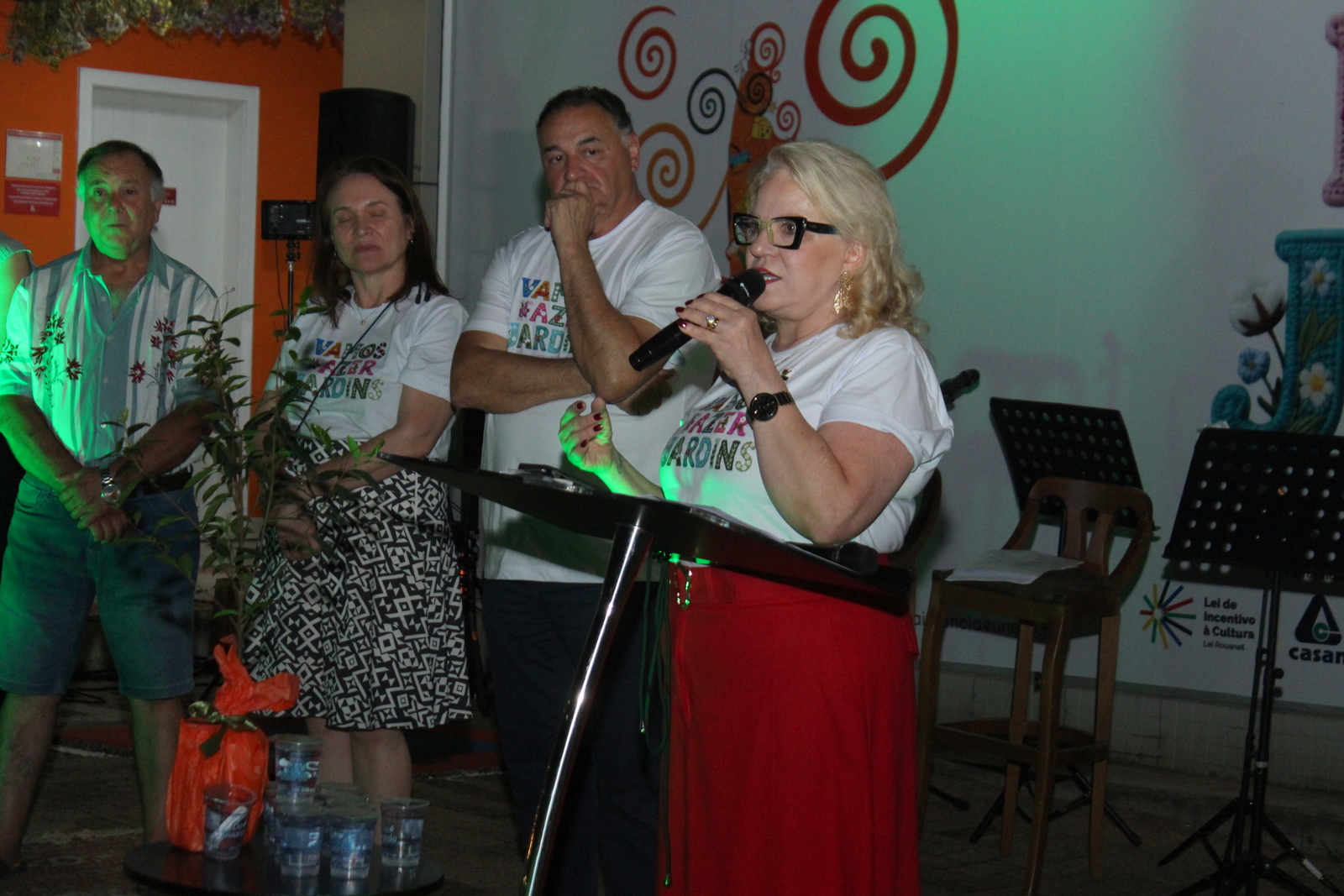
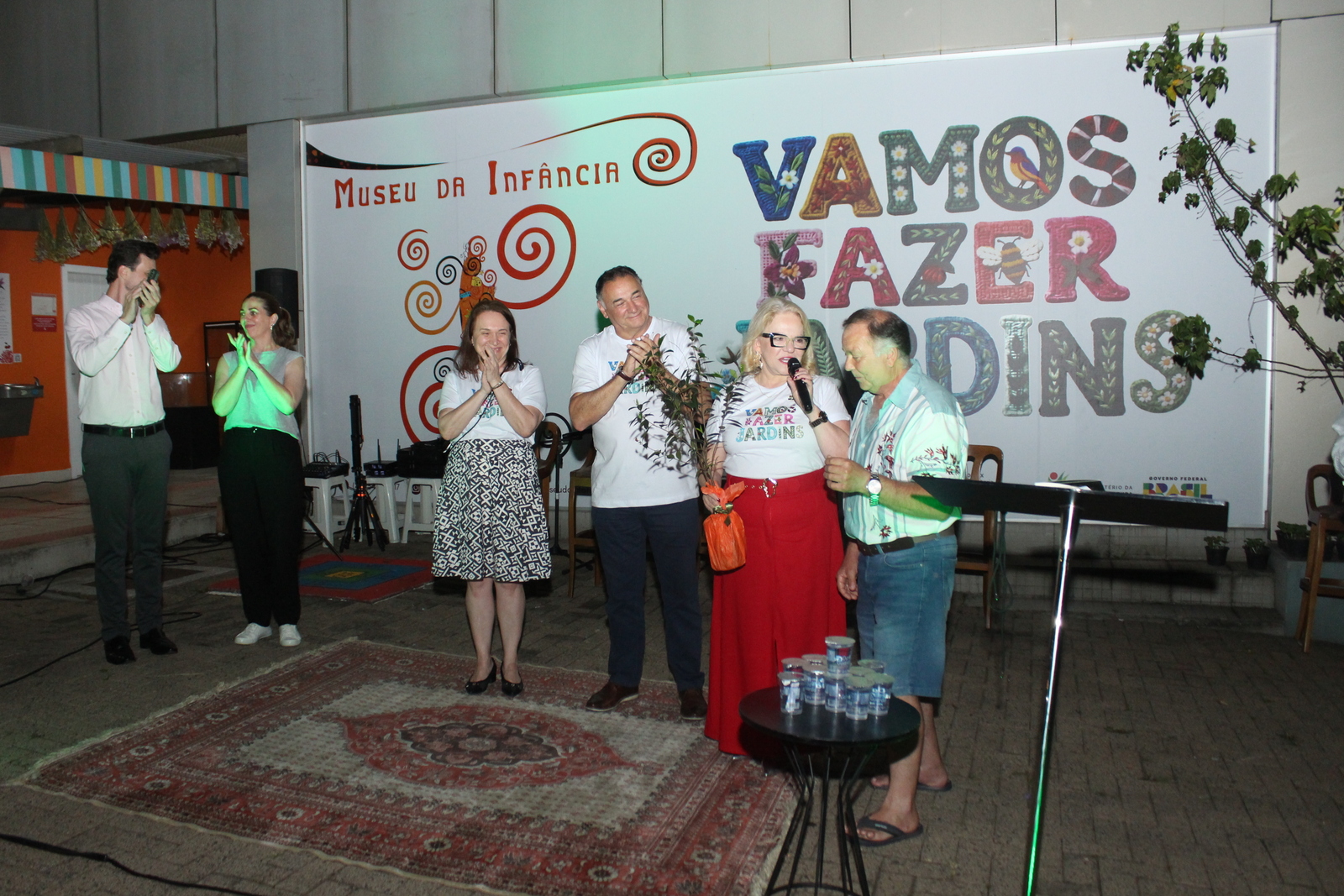
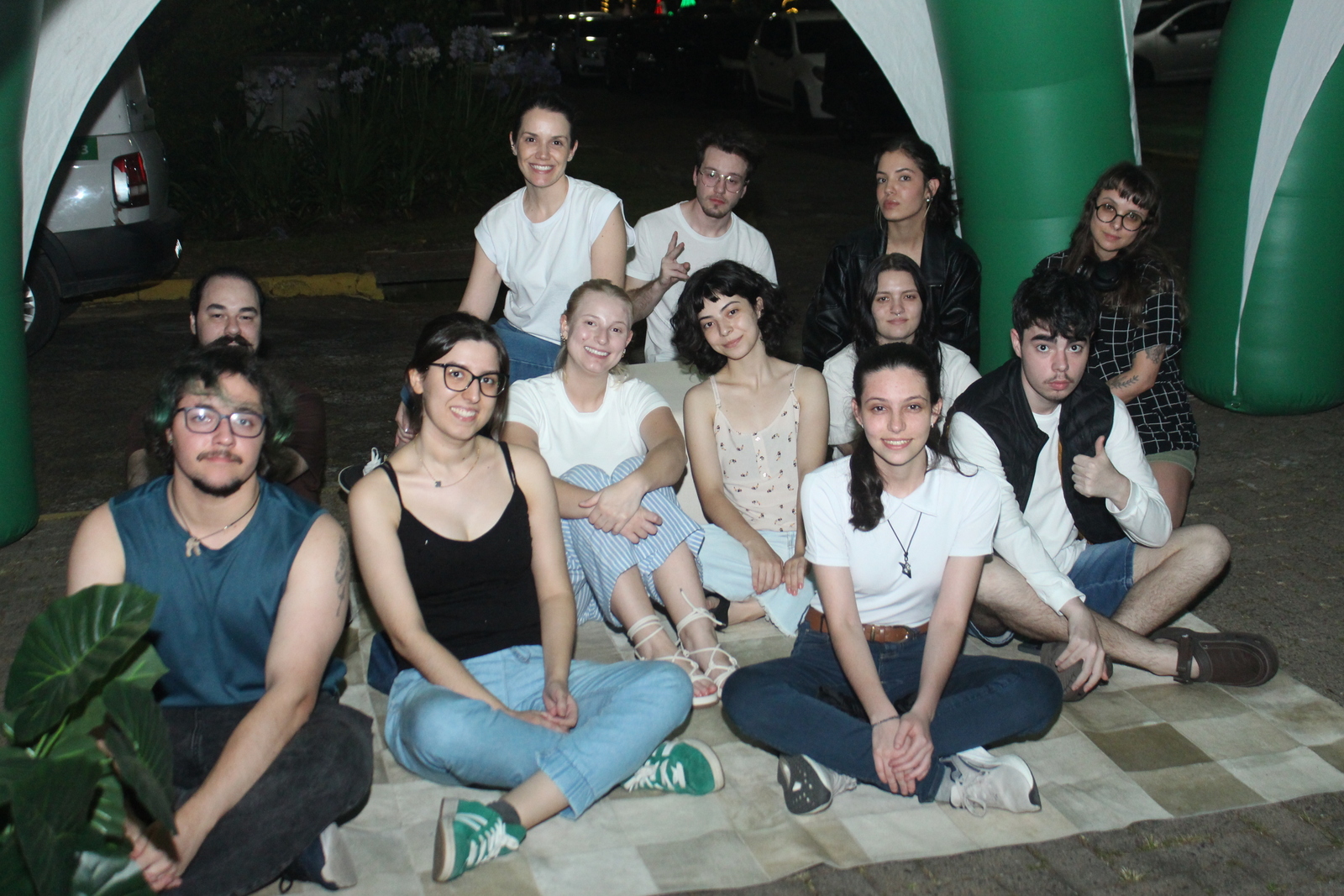
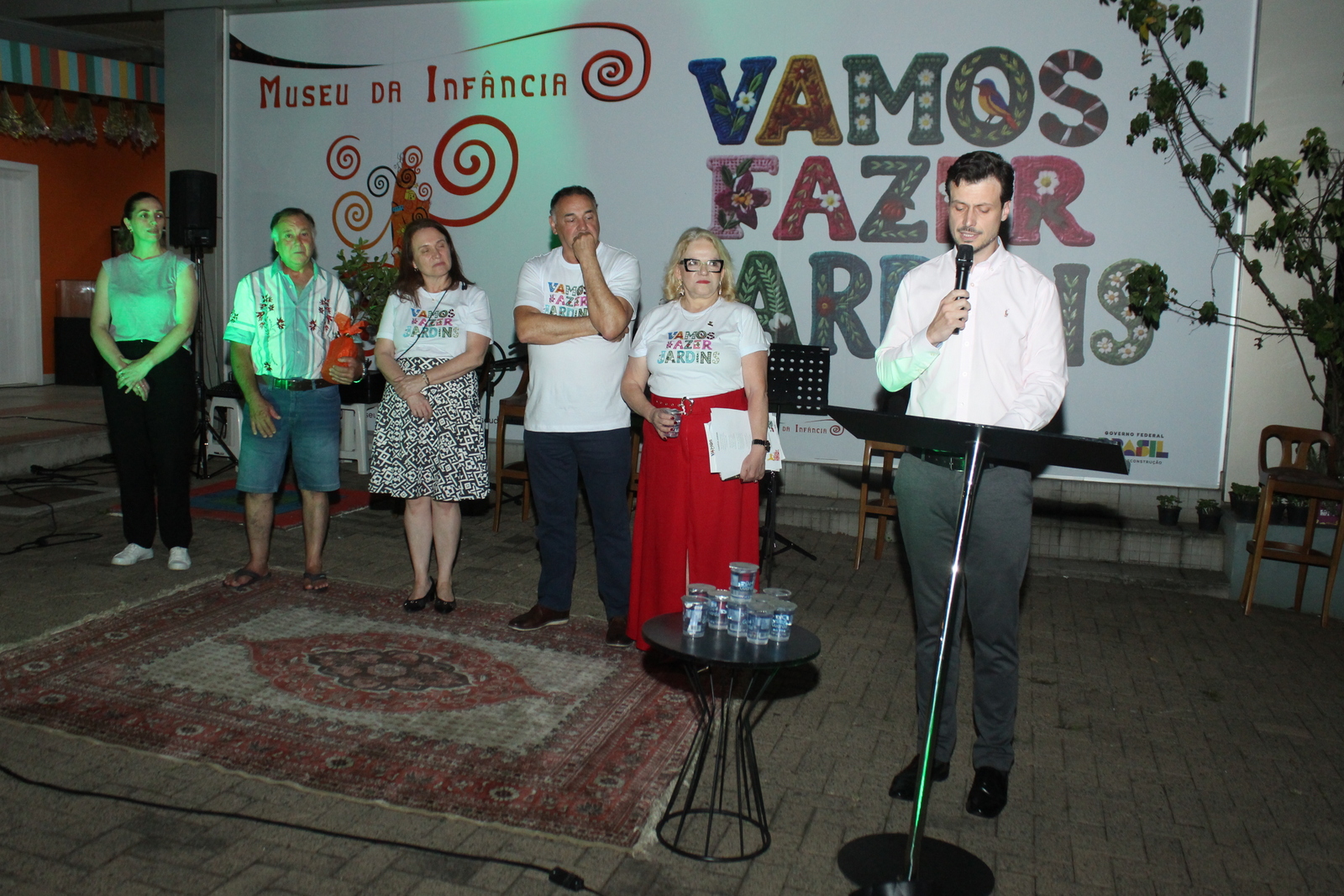
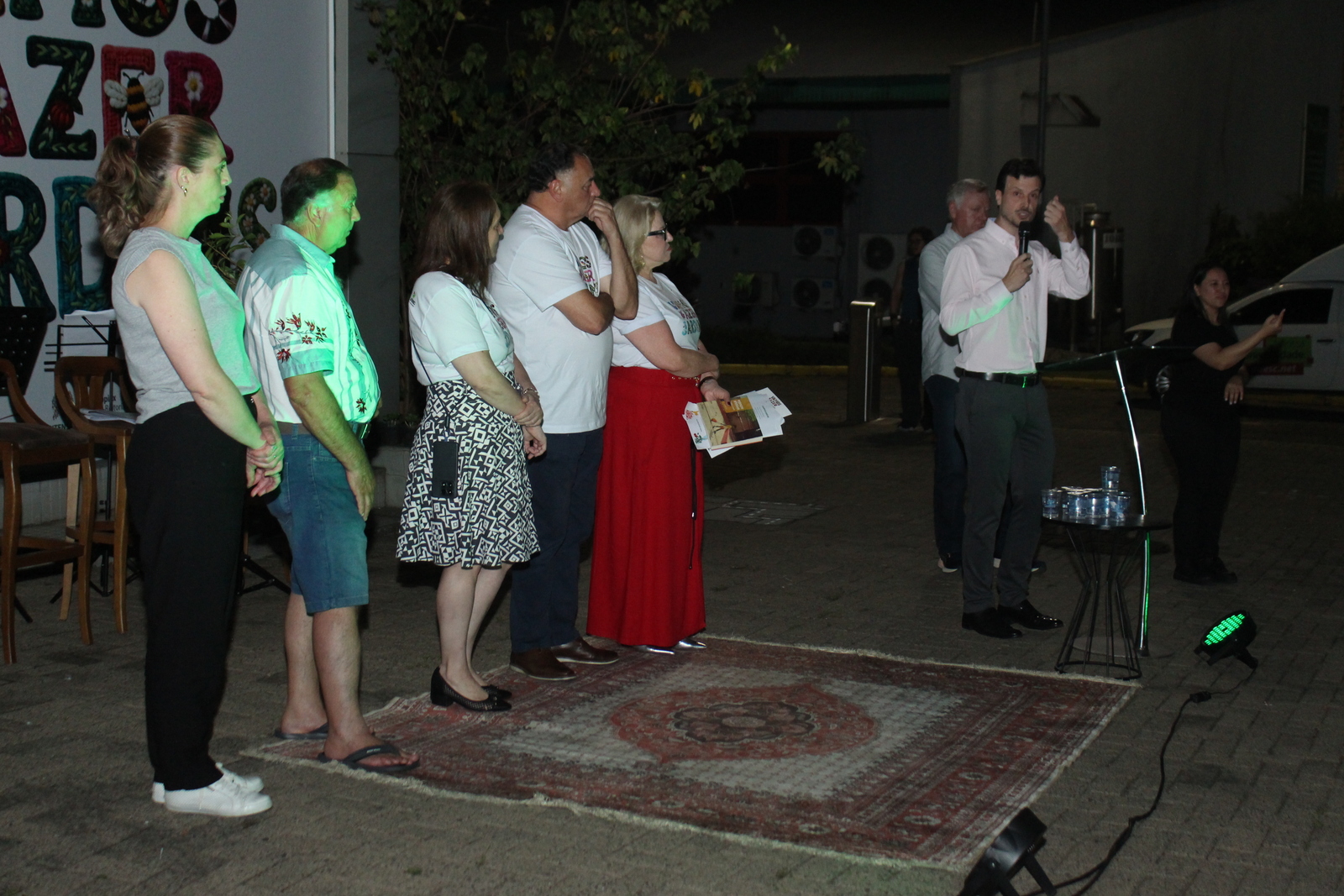
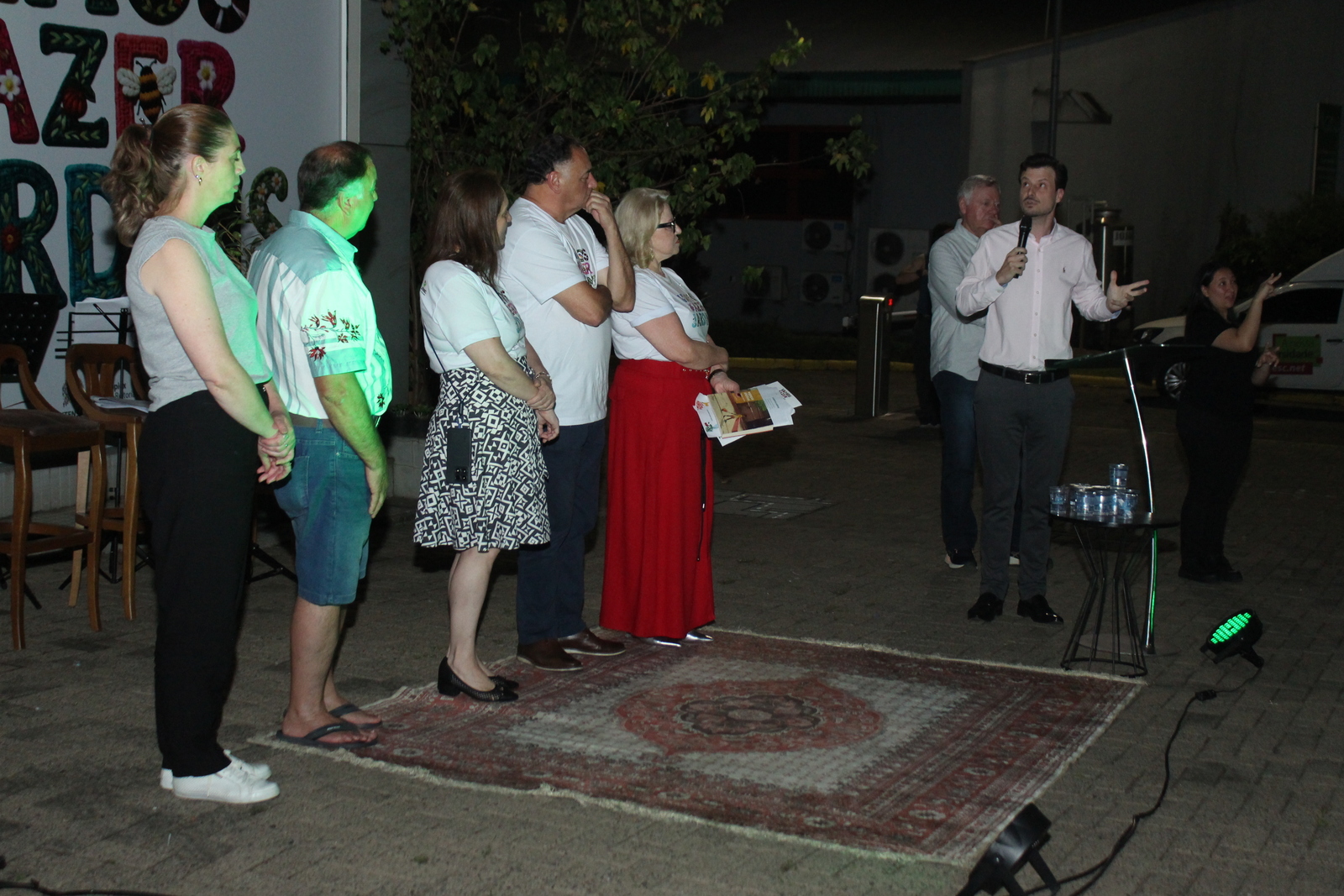
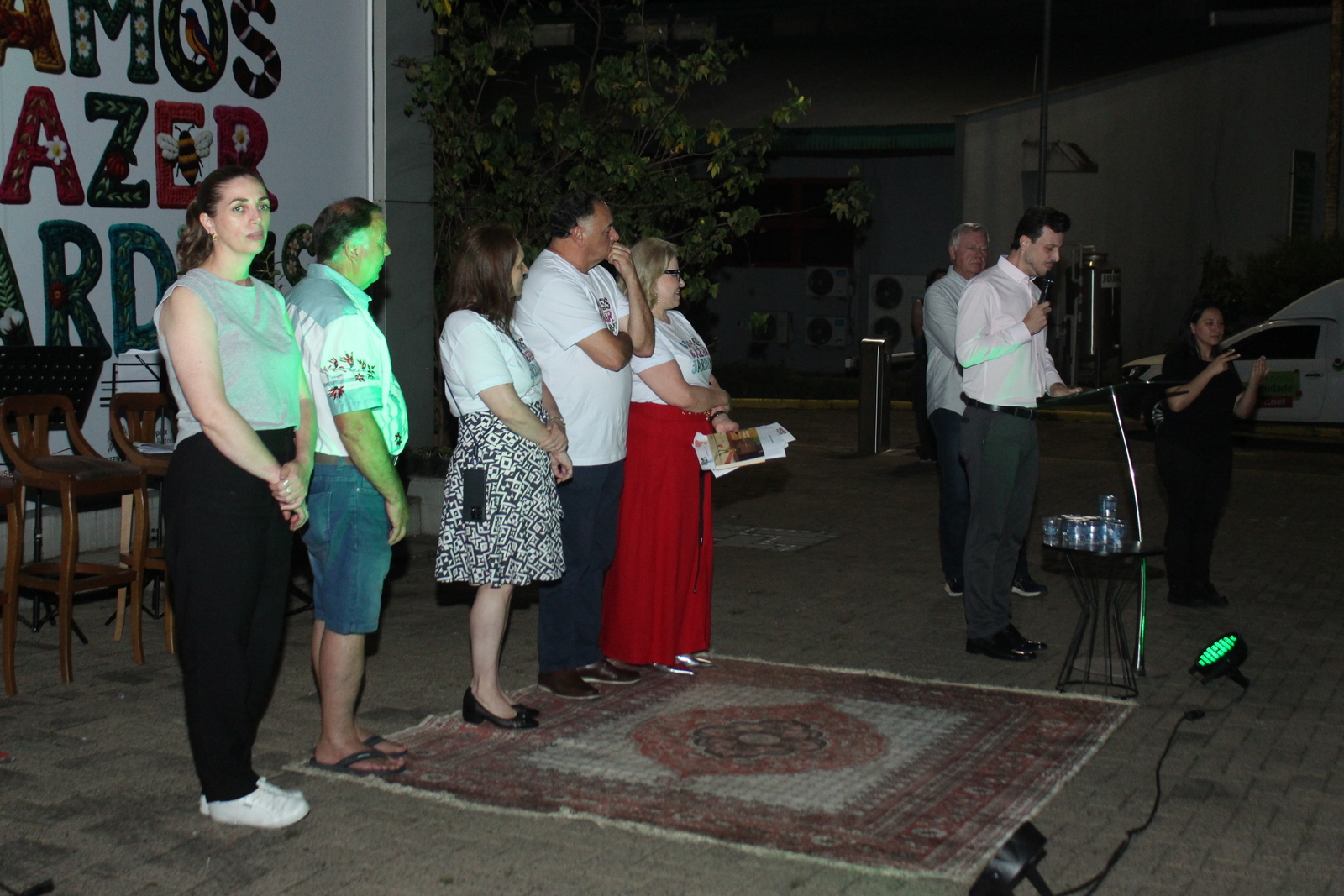
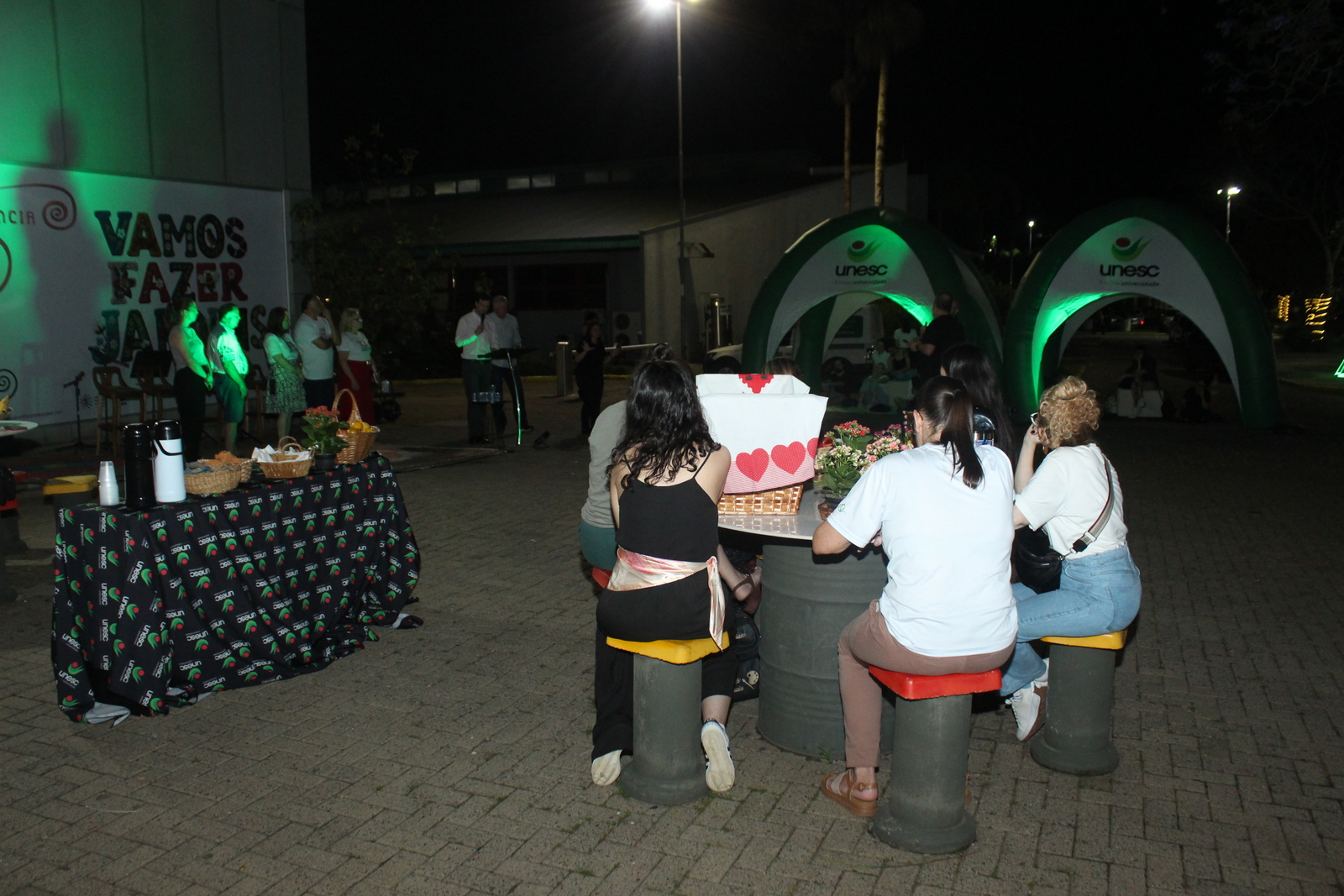
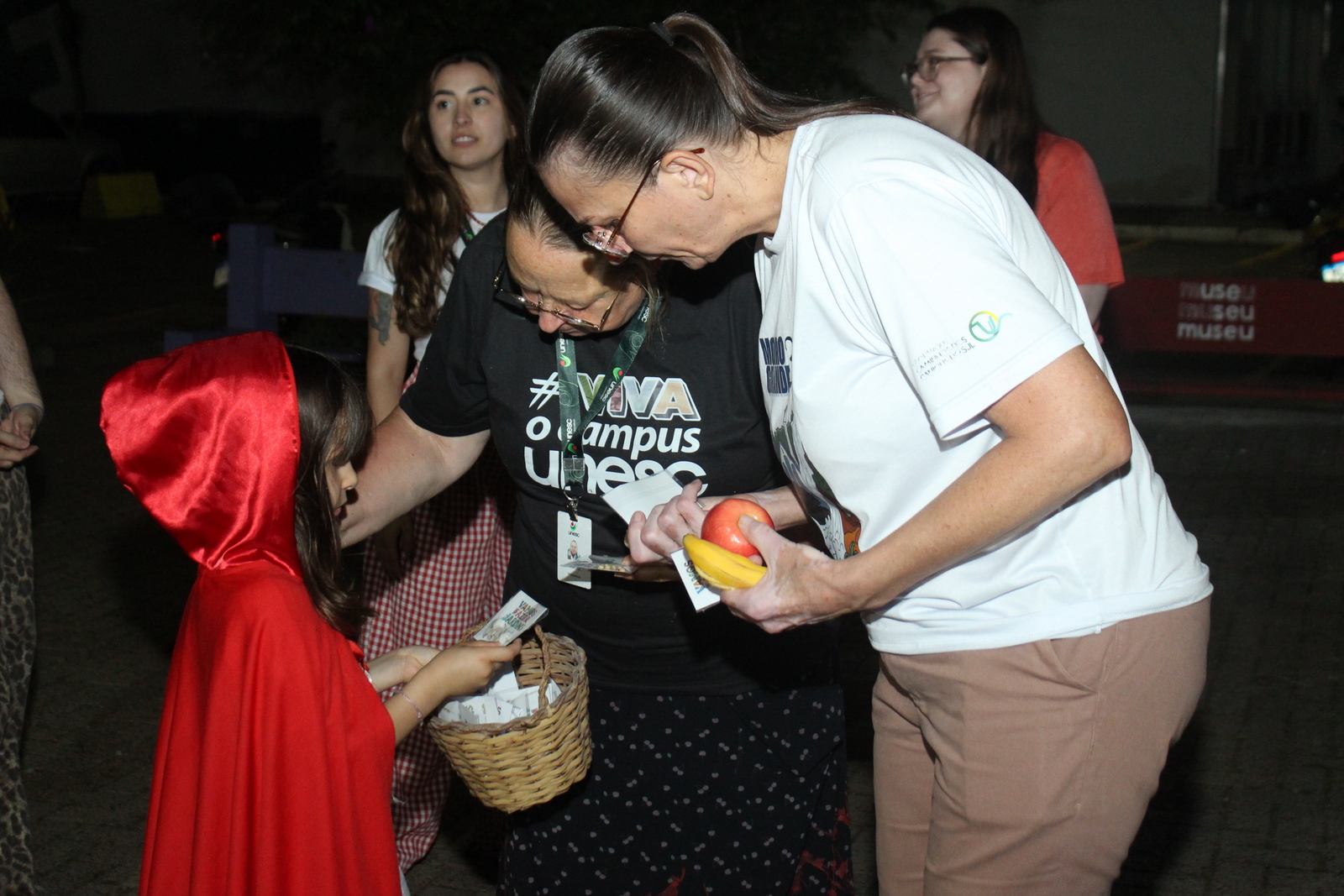
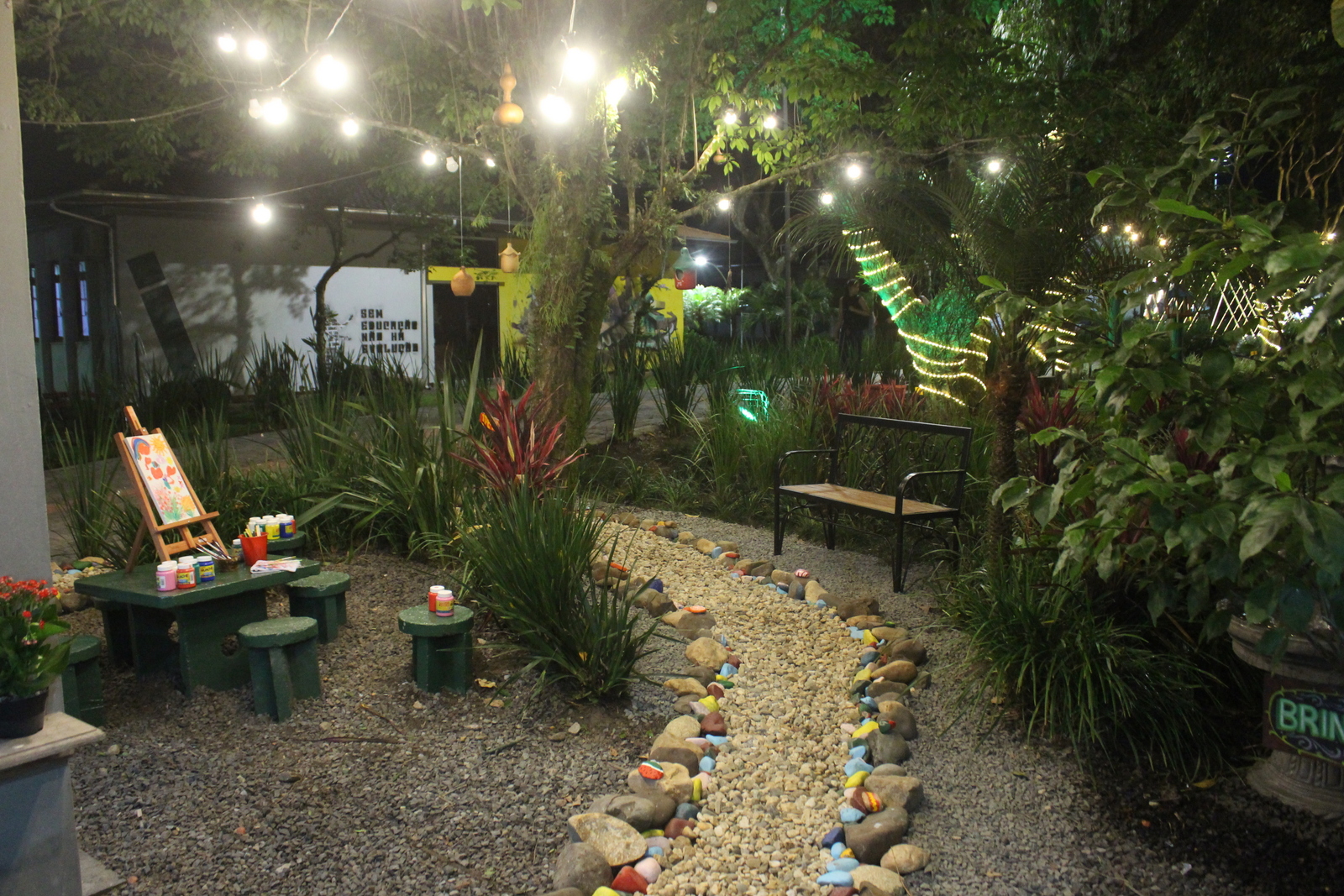
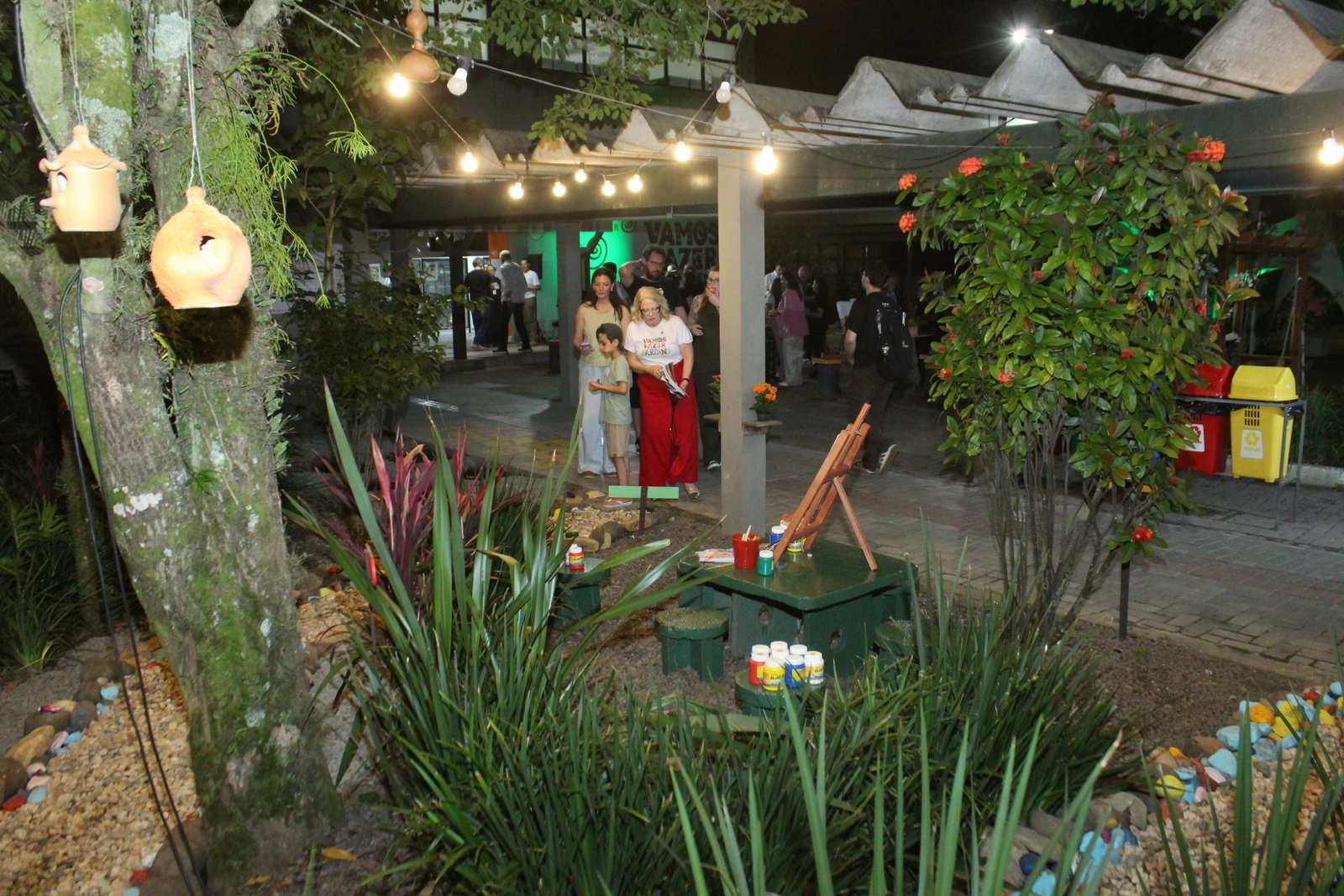
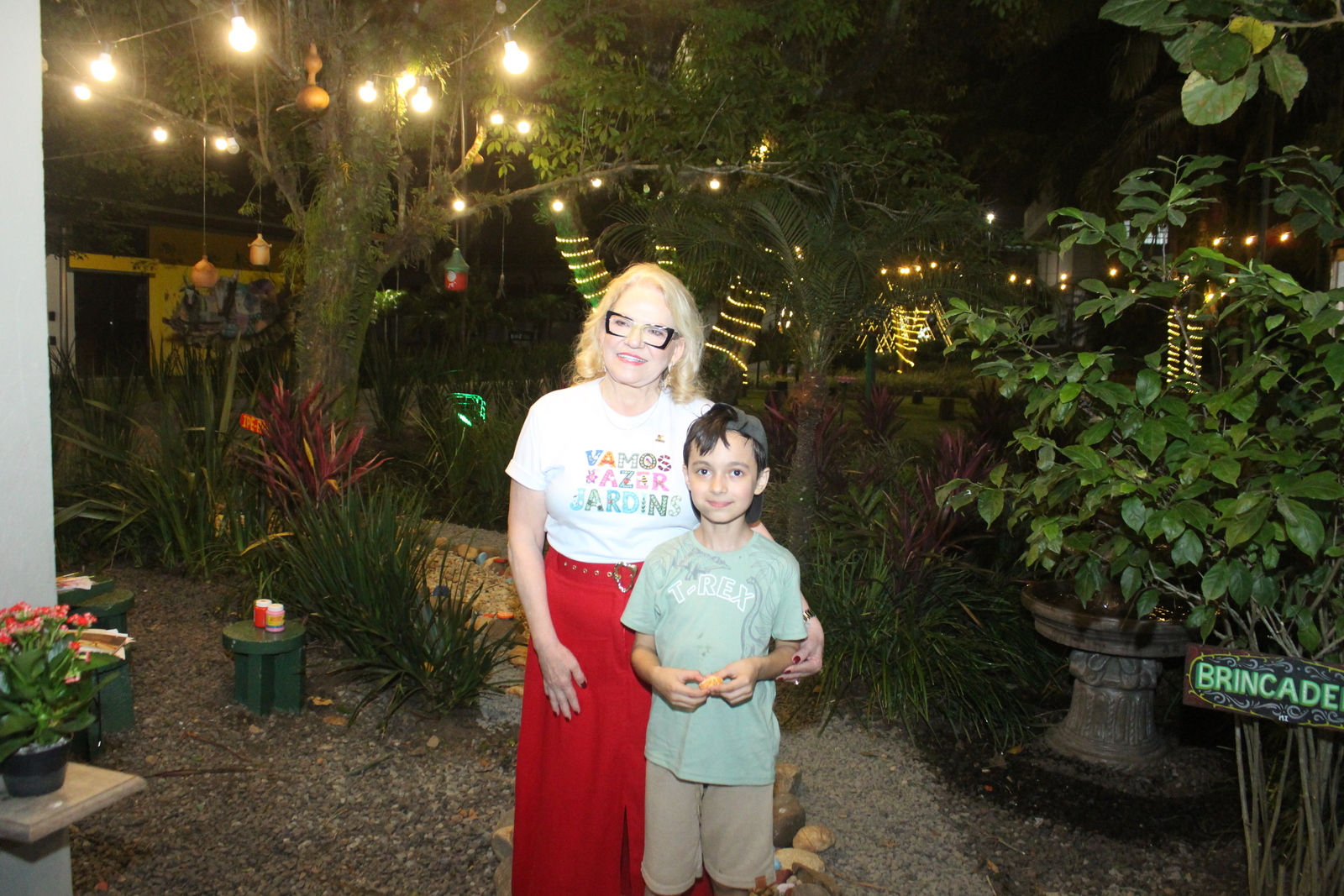
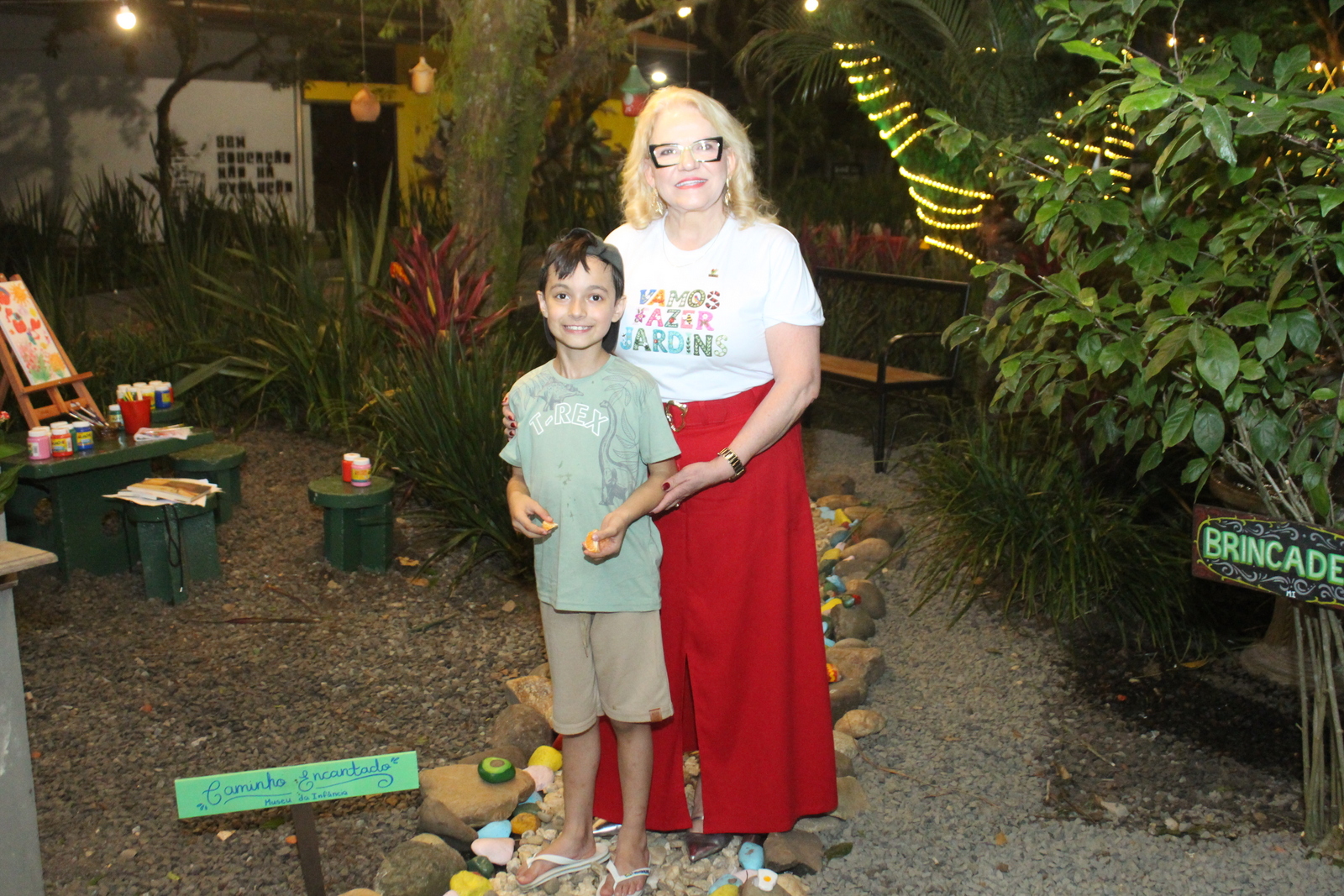
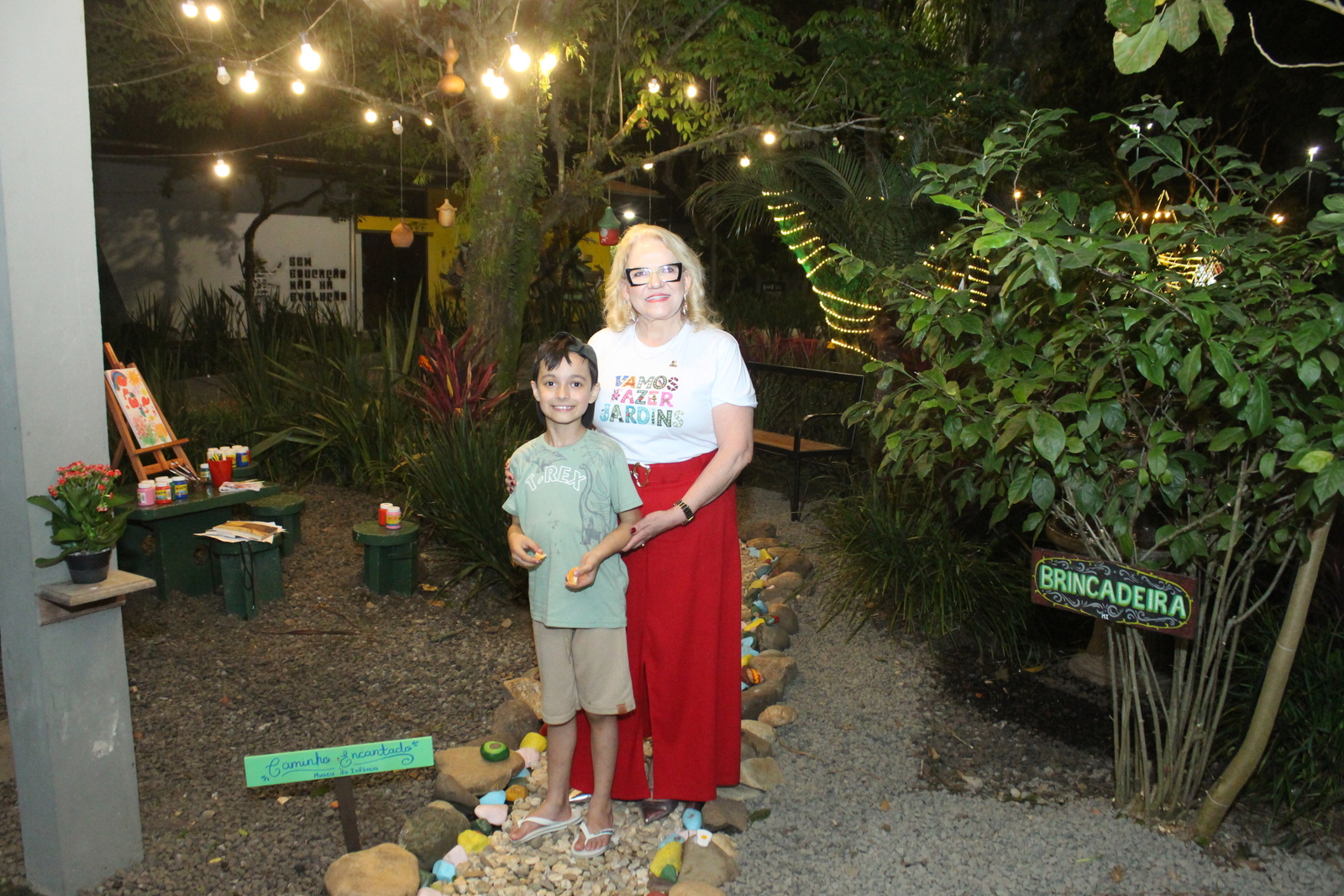
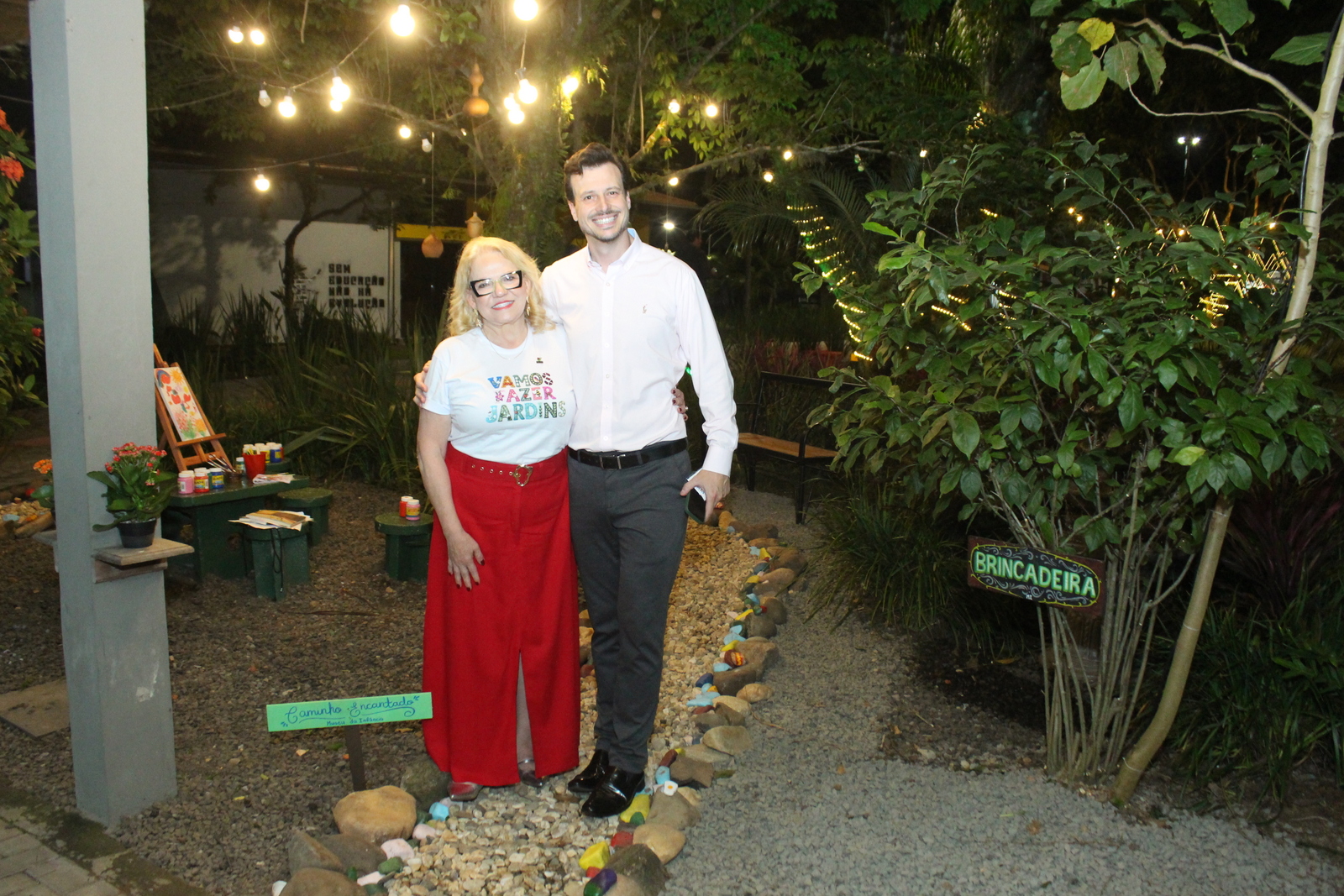
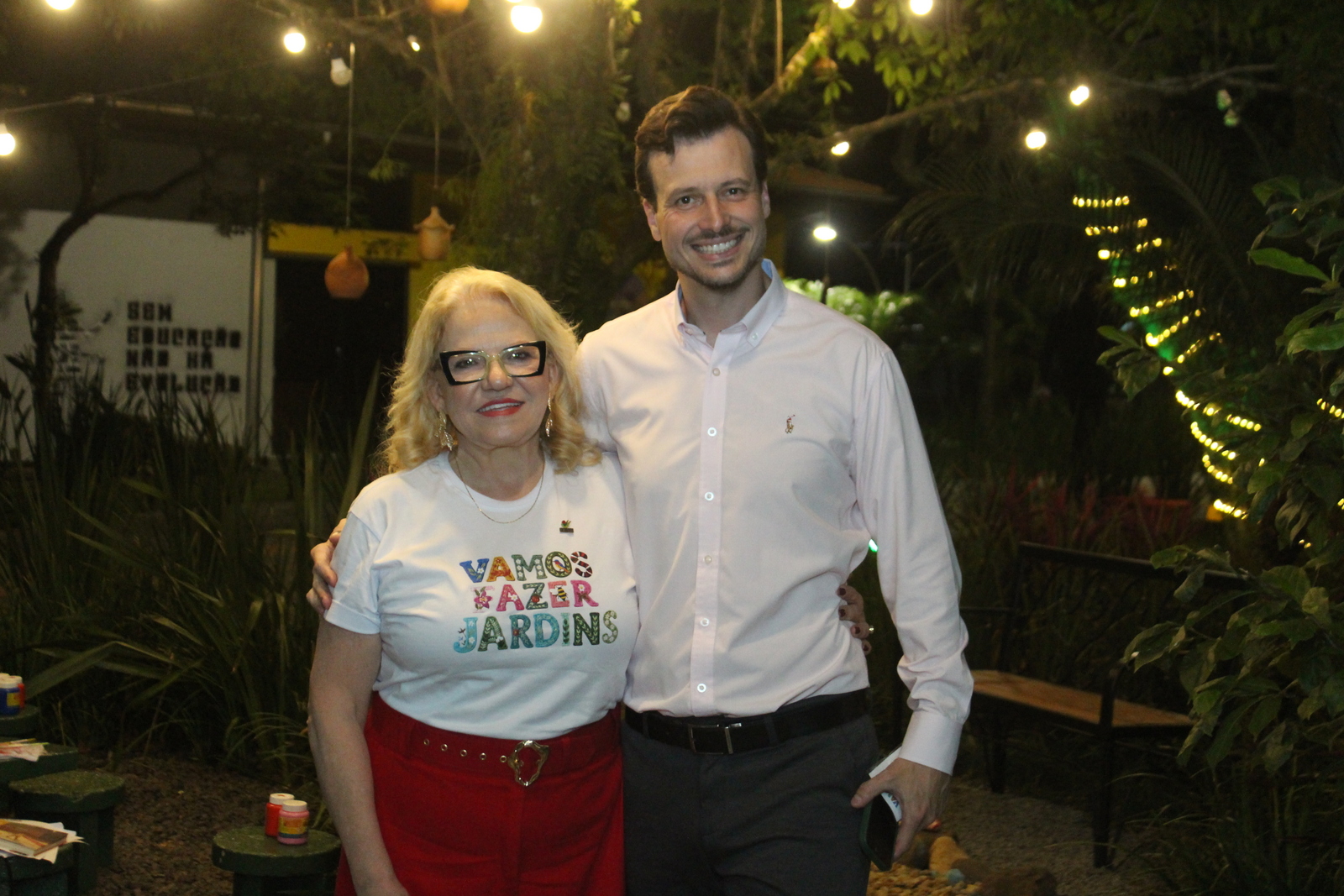
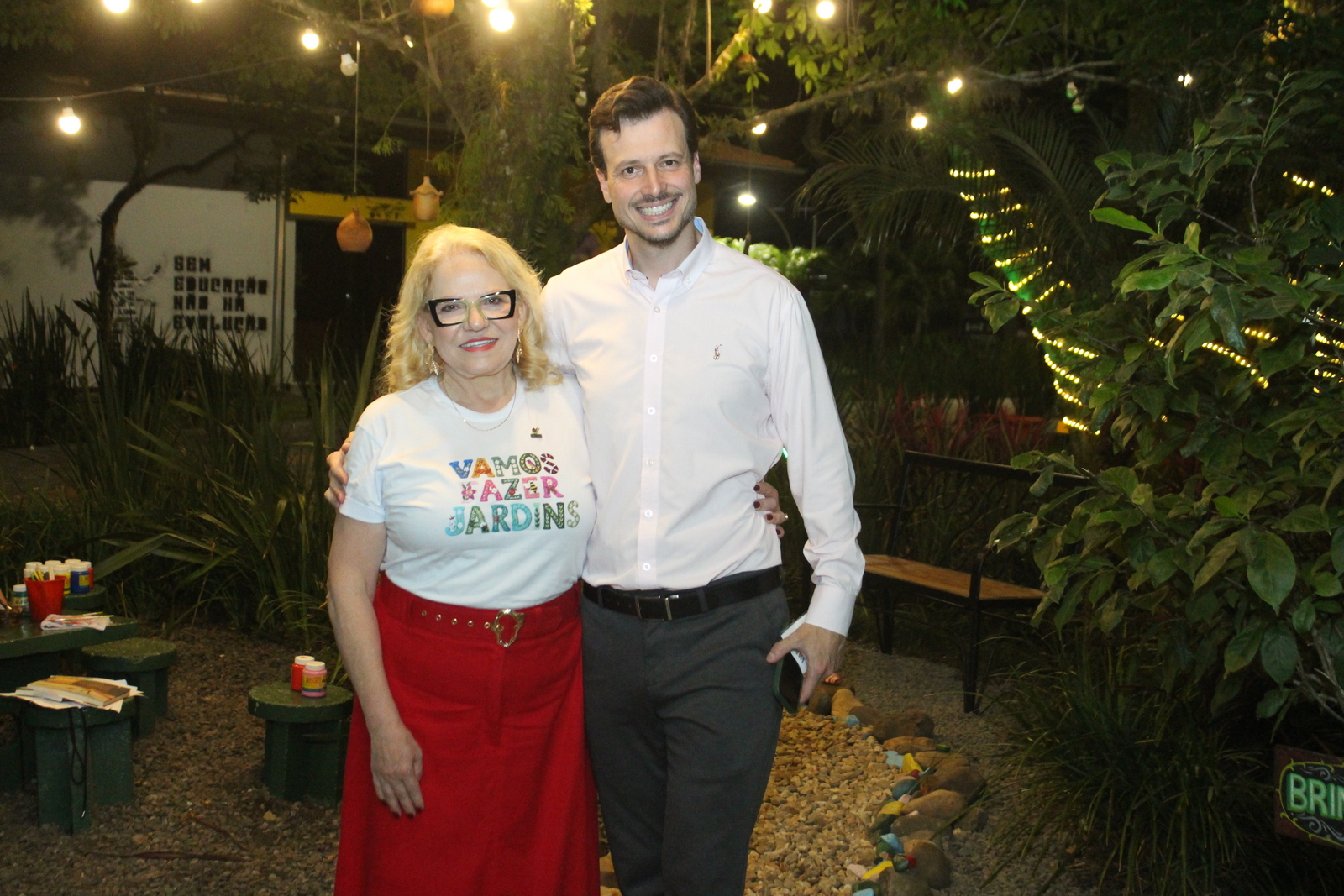
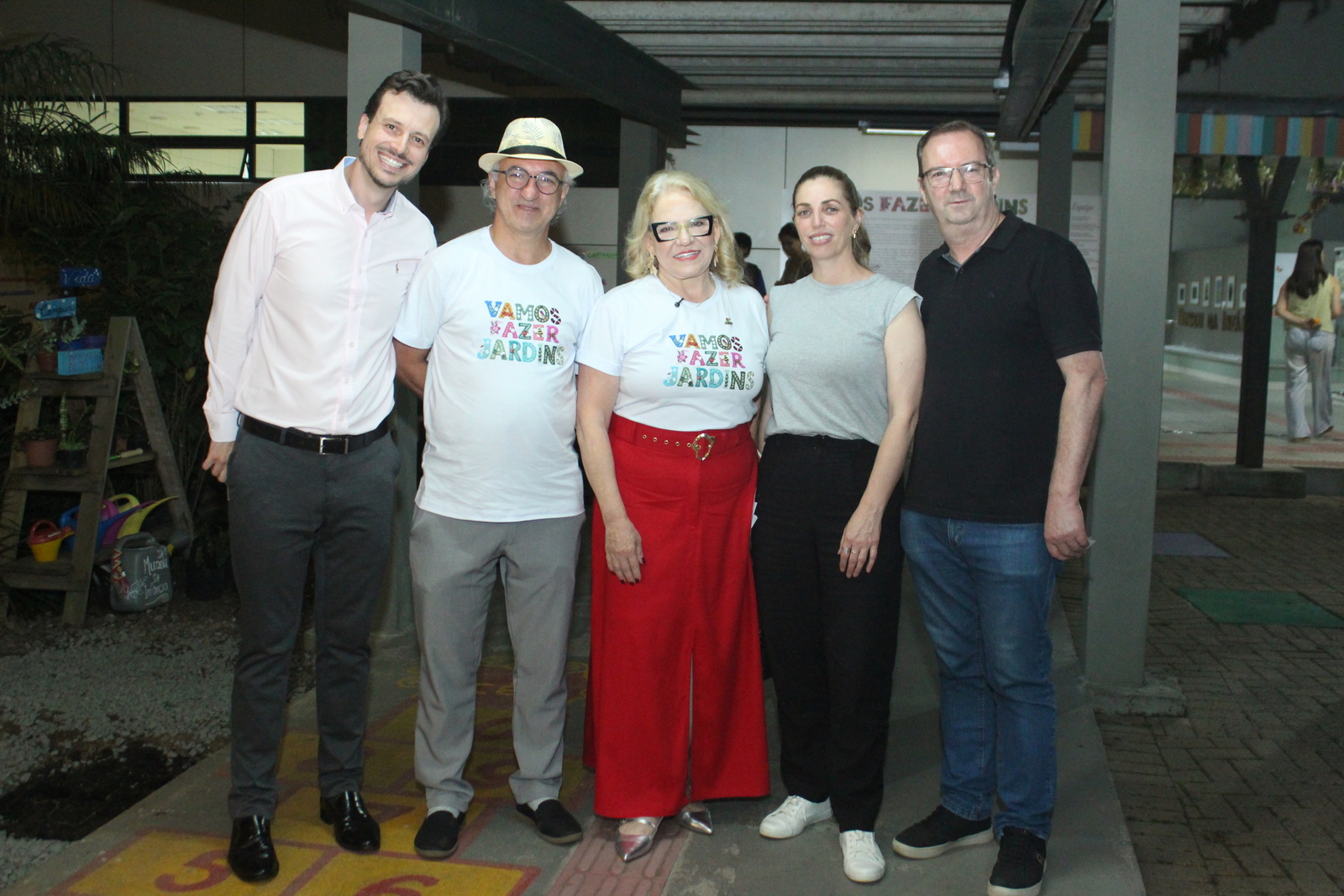
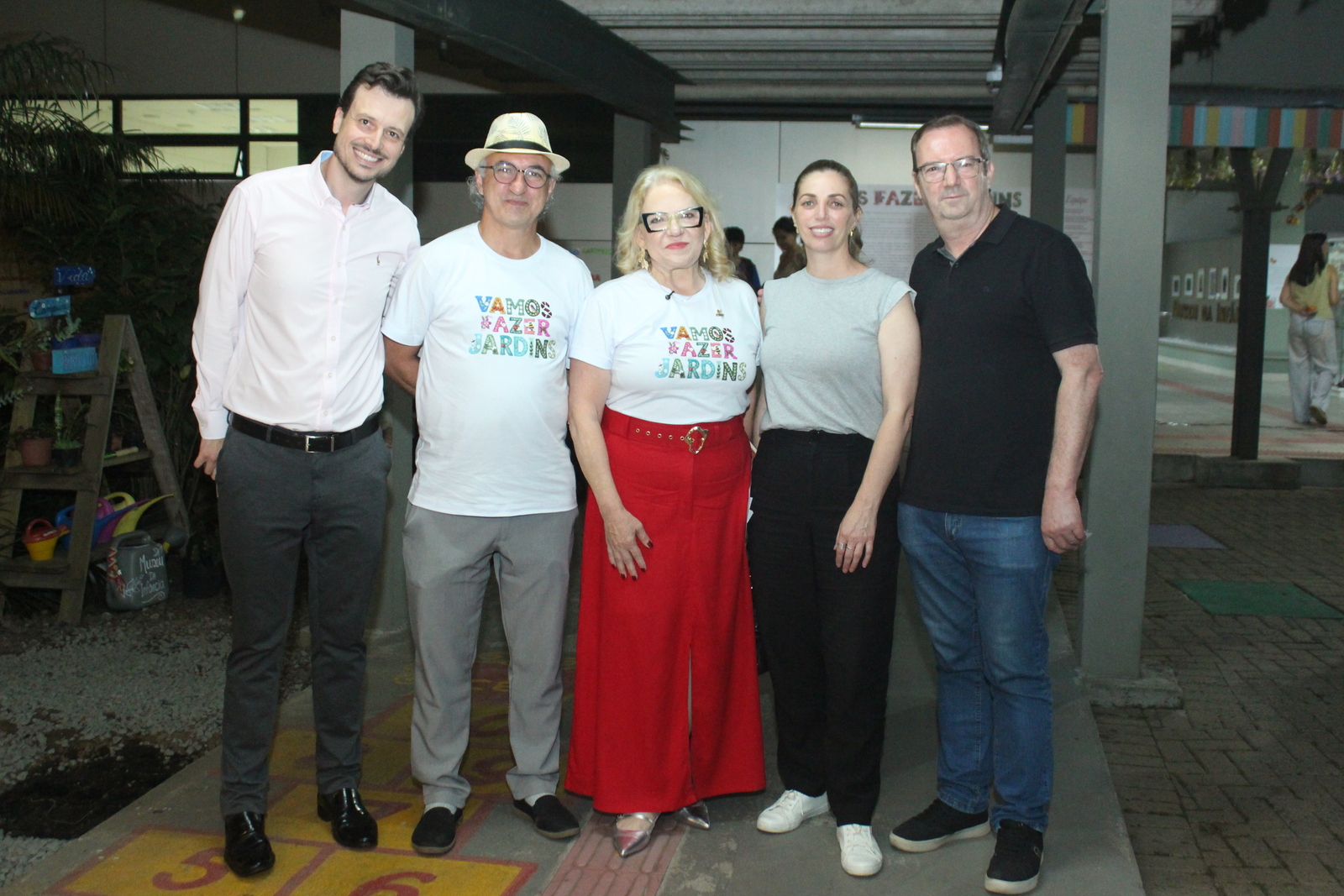
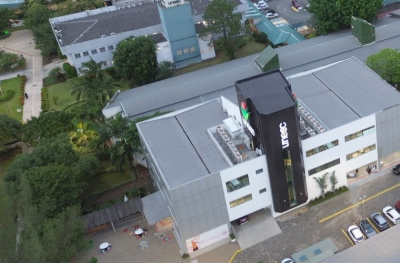
Learning can also mean putting your feet on the grass, listening to the birds, touching the earth, discovering seeds, and witnessing the birth of a plant. It is in this encounter between knowledge, childhood, and nature that the Unesc Childhood Museum presents the exhibition "Let's Make Gardens," a proposal that invites children and adults to experience the campus in a different way, with experiences that awaken the senses and cultivate relationships of affection, belonging, and care for the environment.
The initiative brings the educational and cultural proposal of the Museum to the university's gardens, making the campus a space for coexistence, discoveries, and environmental education. Among plants, flowers, trees, and different forms of life, the public is invited to perceive nature as part of everyday life and also as a place for learning, play, and building bonds. 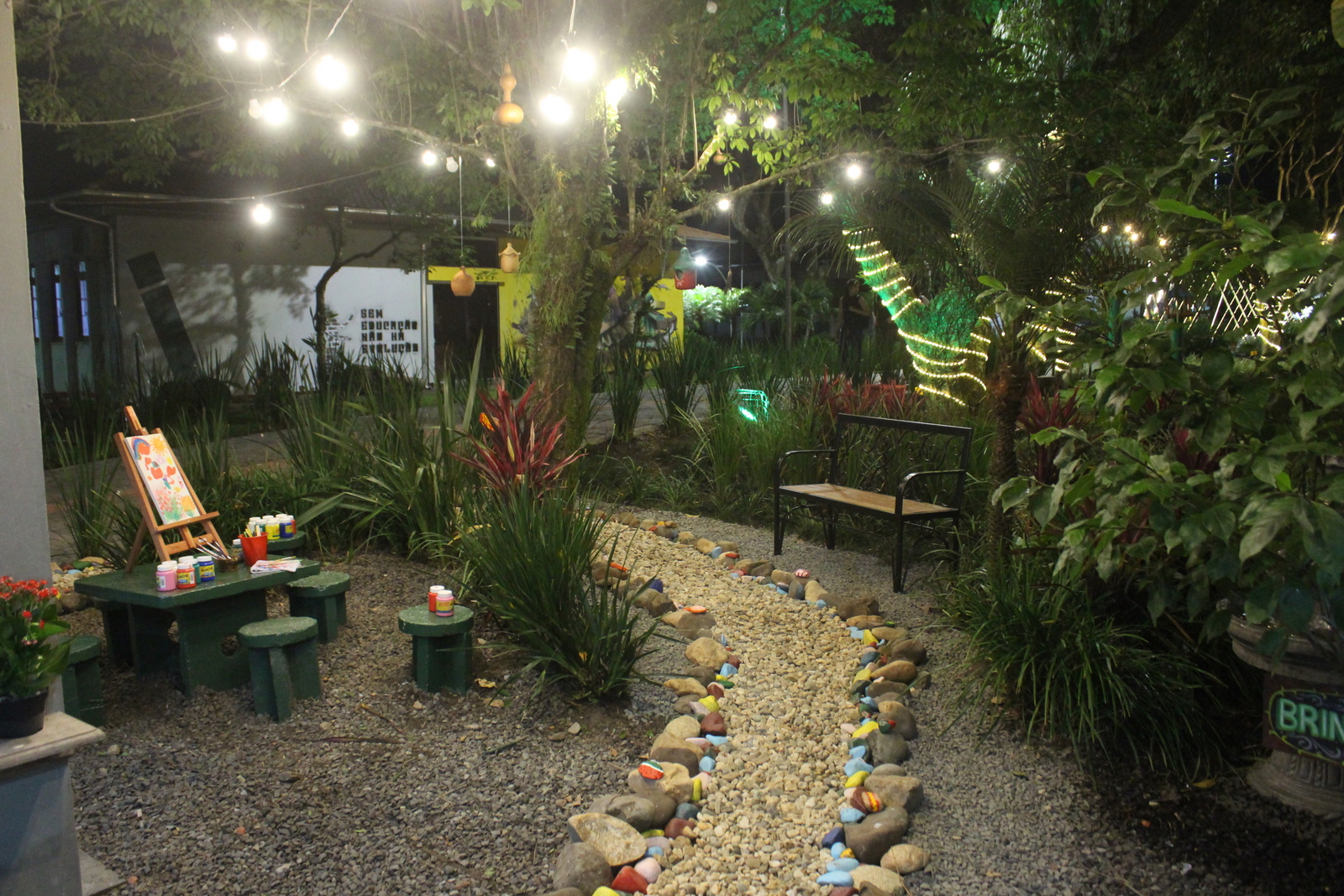
Under the curatorship of Professor Amalhene Baesso Reddig and Lenita, the coordinator of the Arts and Culture Sector and the Childhood Museum, the exhibition starts from the understanding of the museum as a living, fertile, and constantly moving organism, which finds new possibilities for learning, coexistence, and meaning-making in natural spaces.
The proposal is to reconnect people with nature, a relationship that is often forgotten in daily routines. Sowing, planting, and caring for gardens, backyards, and vegetable patches are experiences that allow us to better understand the environment we live in, develop a sense of belonging, and realize that small everyday gestures also contribute to the protection of the planet.
"The exhibition aims to lead children to a greater connection or reconnection with the natural spaces here on the Unesc campus. We want them to coexist and, in this coexistence, discover the types of plants, the birds that inhabit this place, the flowers, and the fruits. We want to awaken the interest of children, visiting teachers, and adults in environmental protection," explains the curator.
Lenita emphasizes that the mission of the Childhood Museum also involves cultivating the land and providing experiences that transform the way people perceive the world. "The reasons for the existence of the Childhood Museum include collecting, curating, exhibiting, mediating, disseminating, respecting, preserving, teaching, and even cultivating. Yes, cultivating the land and encouraging visitors to have direct experiences with the nature of the campus. The act of sowing and creating gardens, backyards, and vegetable patches can change our way of thinking, feeling, and acting in the world," she asserts. 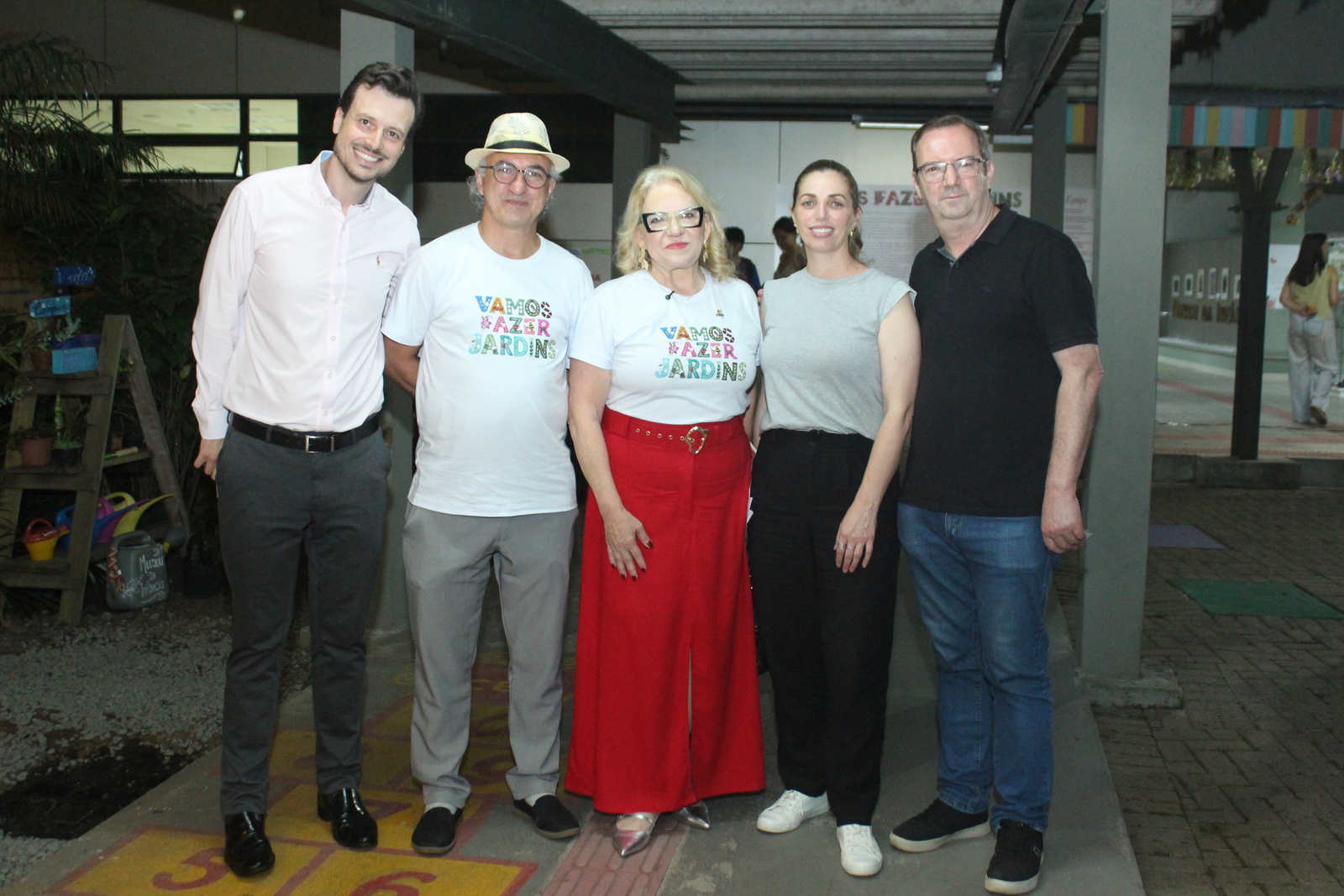
For her, being in contact with natural environments also means slowing down, developing a sense of belonging, and discovering new possibilities for coexistence. "The communion with the earth, playing with elements of nature, looking, touching, smelling, and listening allow for discoveries and the construction of meanings. In these encounters with nature, however simple, children find opportunities for joy, adventures, and experiences that can result in gestures of affection for Mother Earth," she adds.
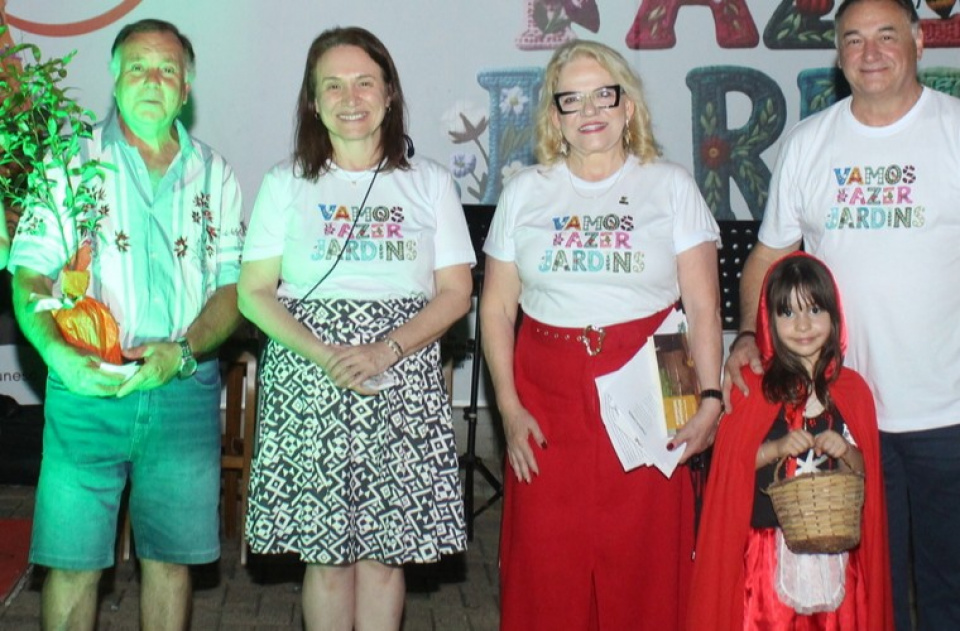
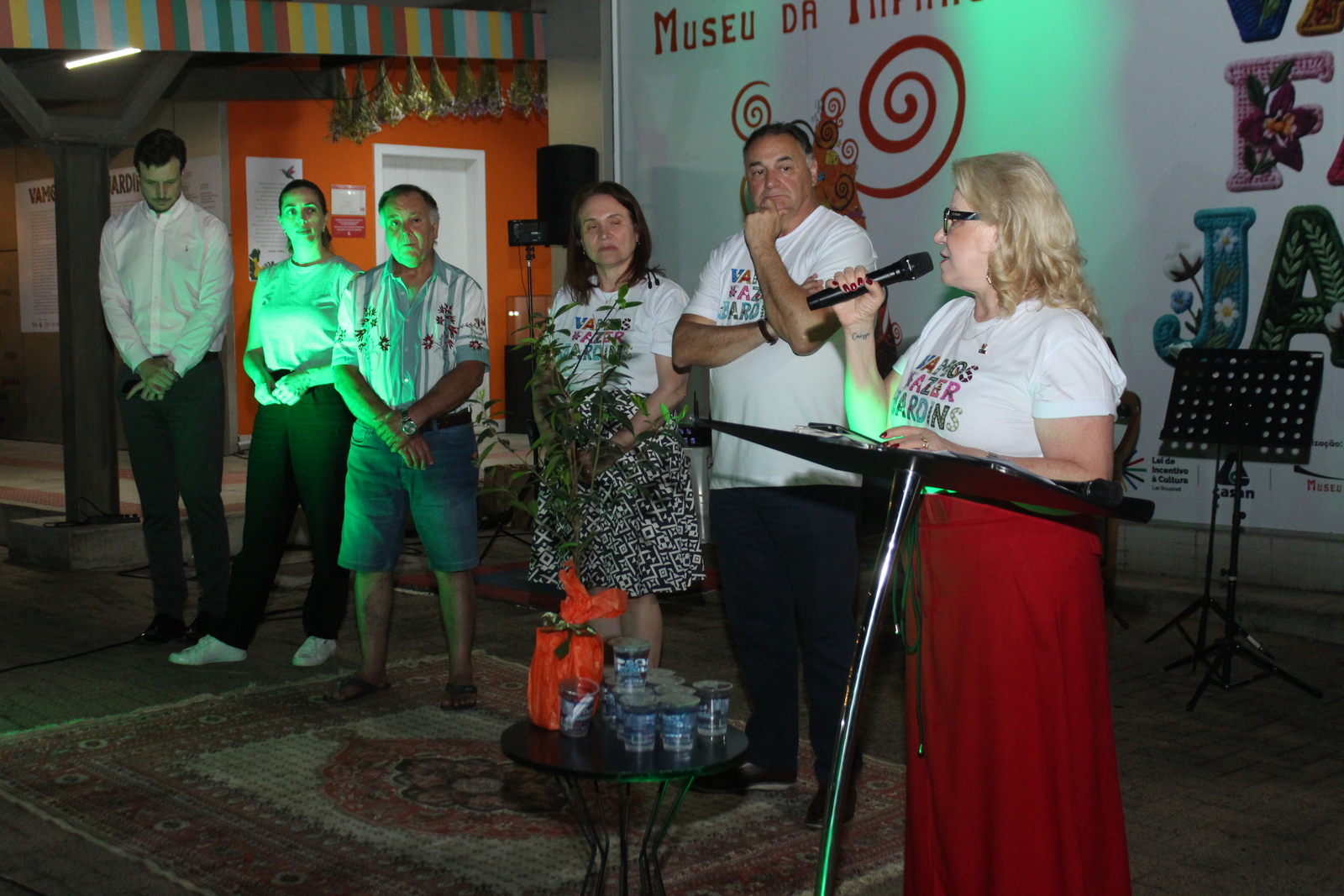
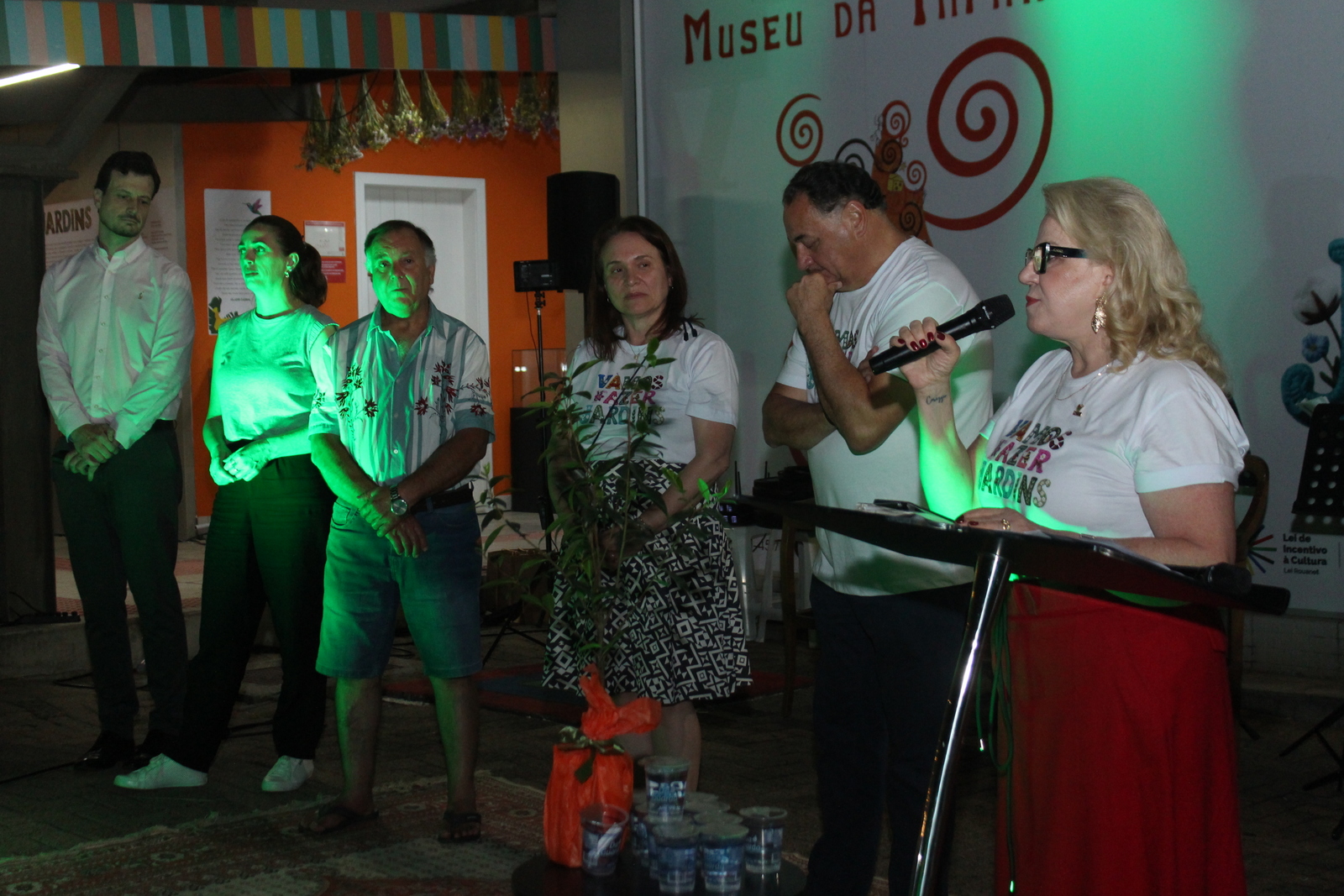
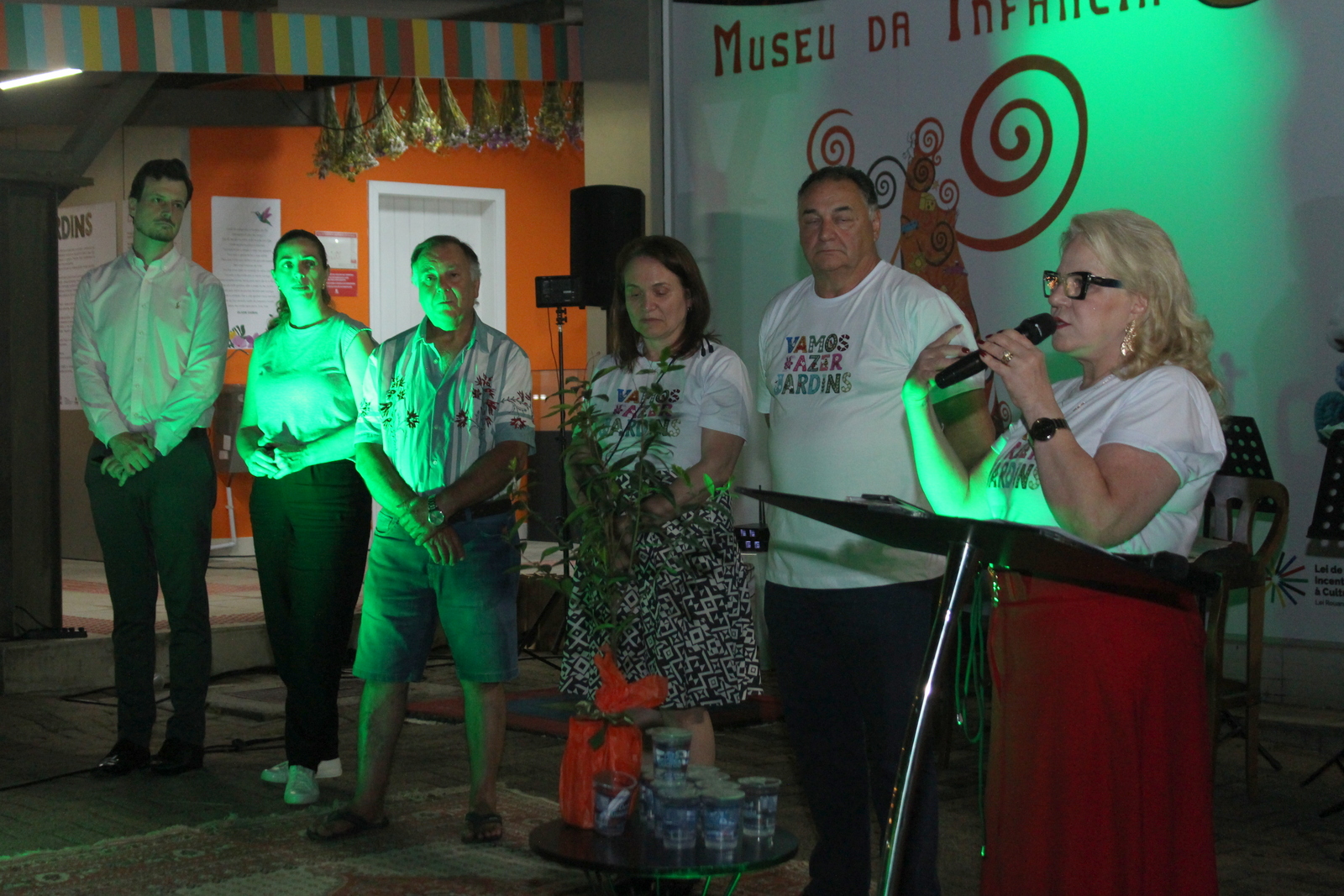
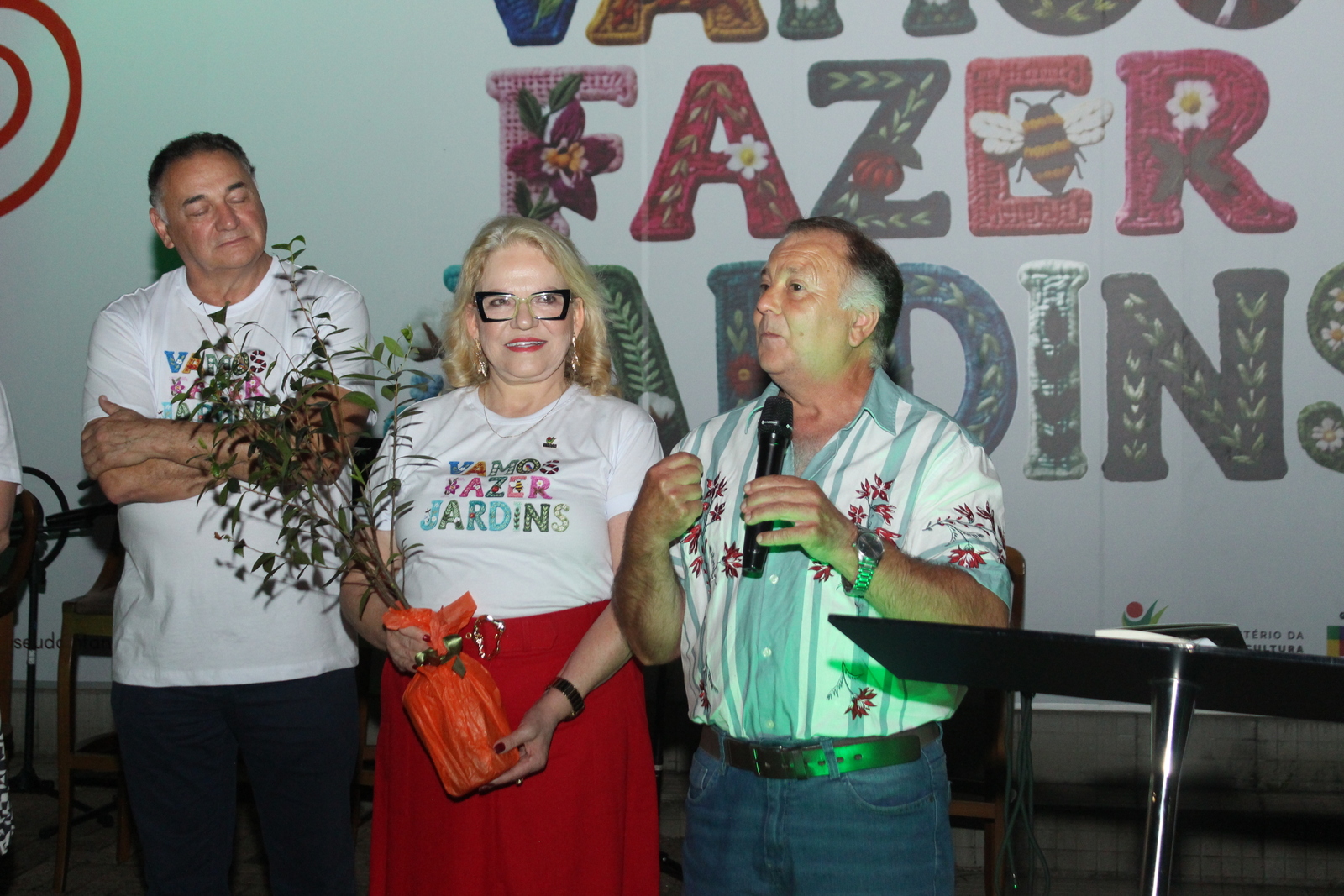
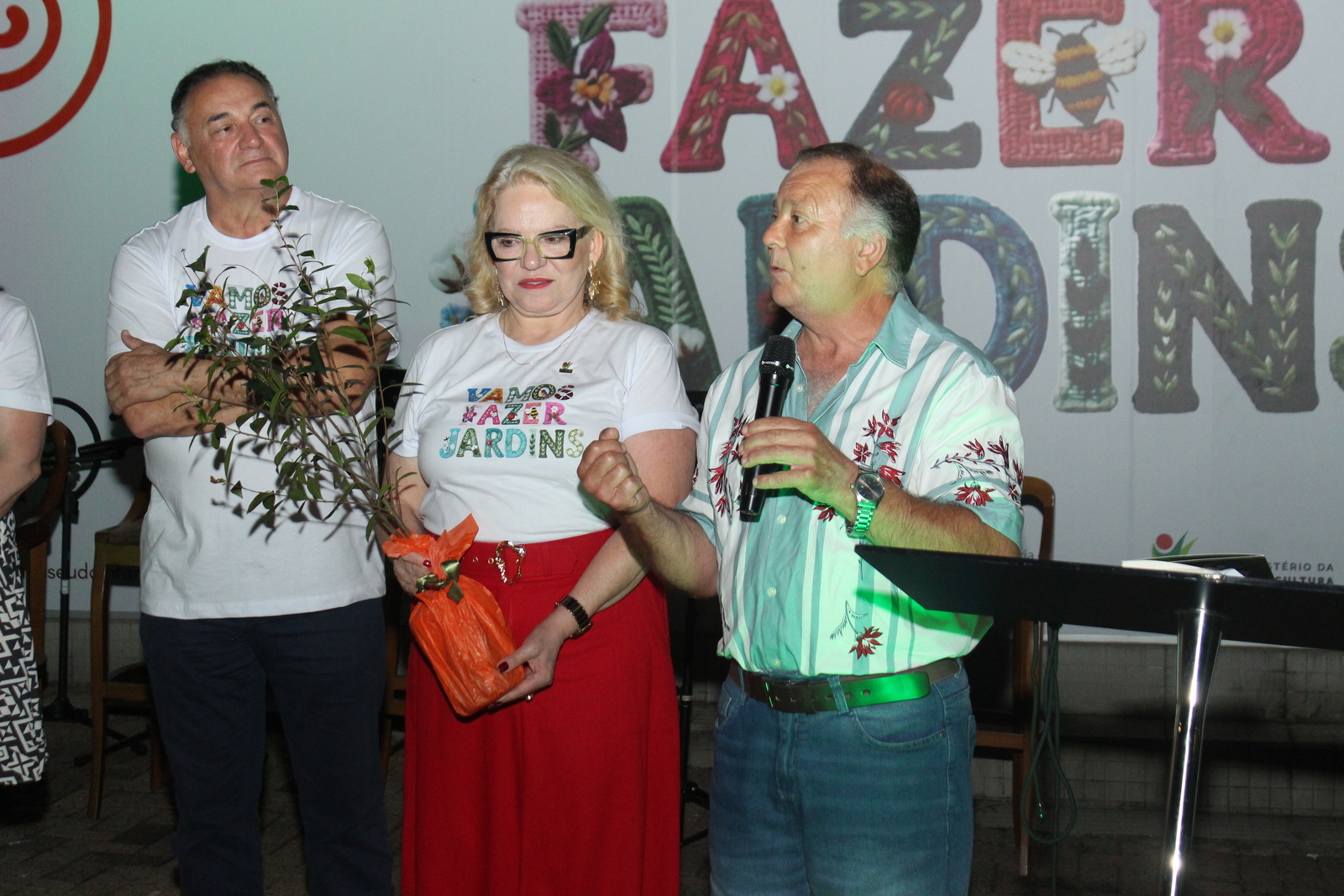
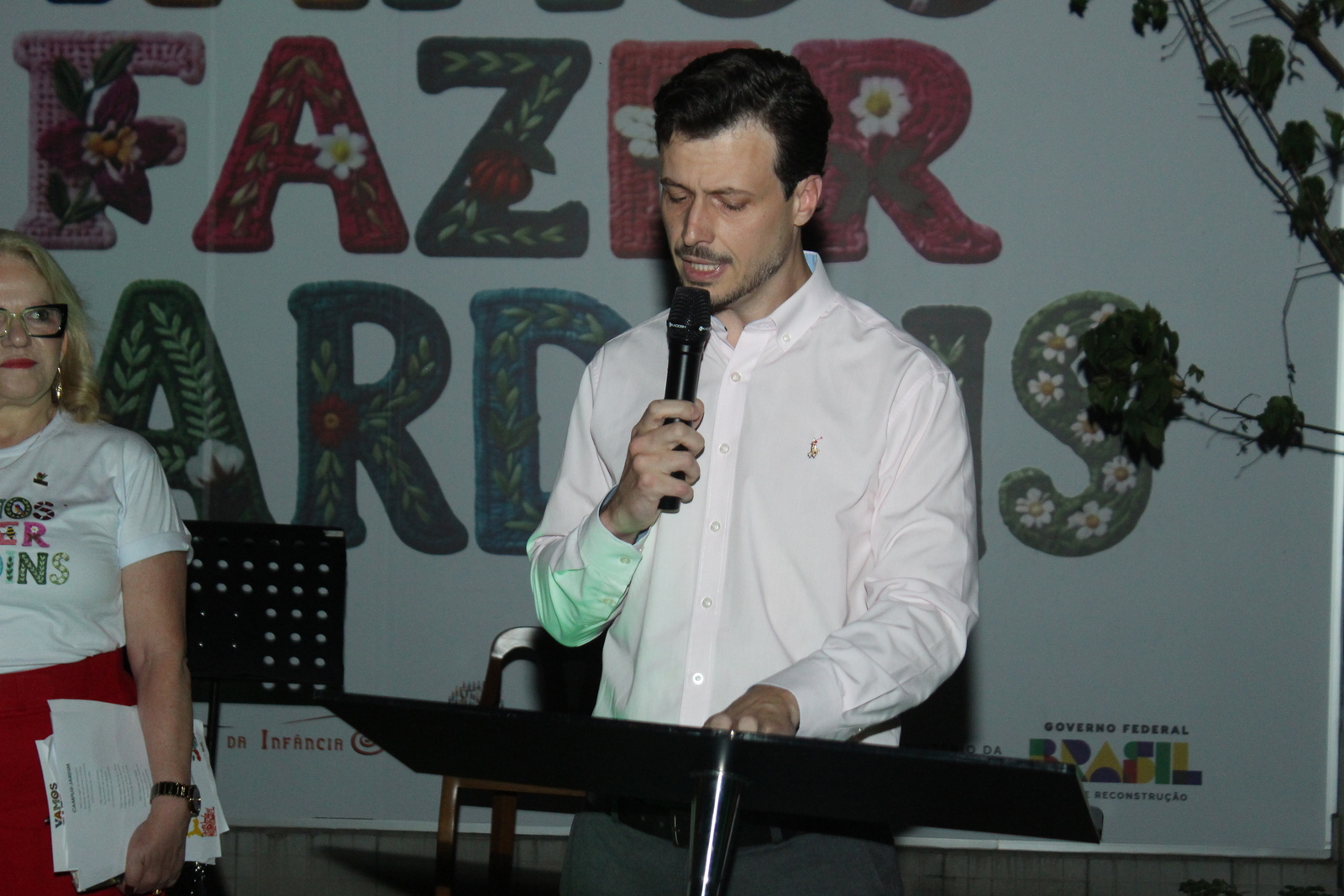
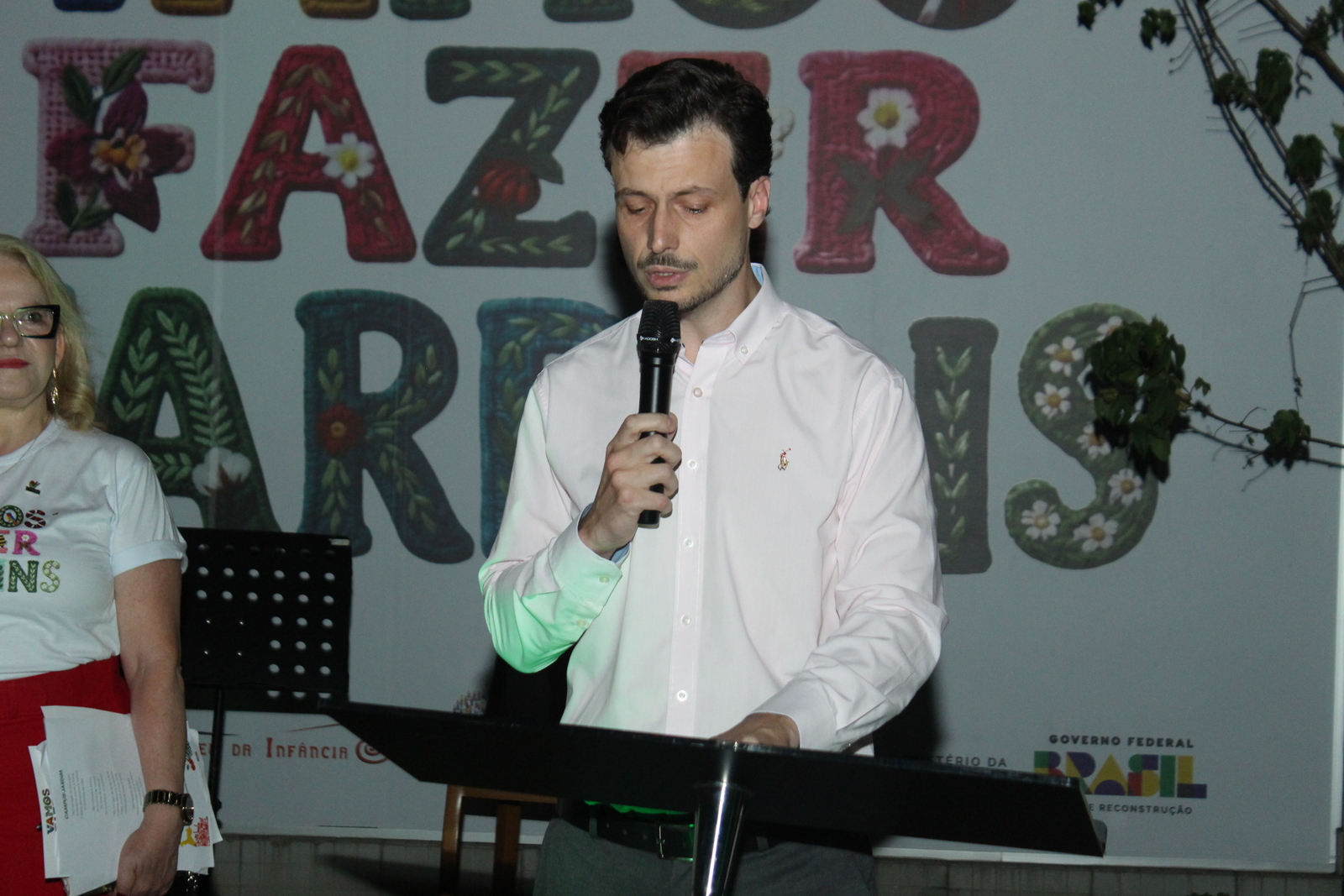
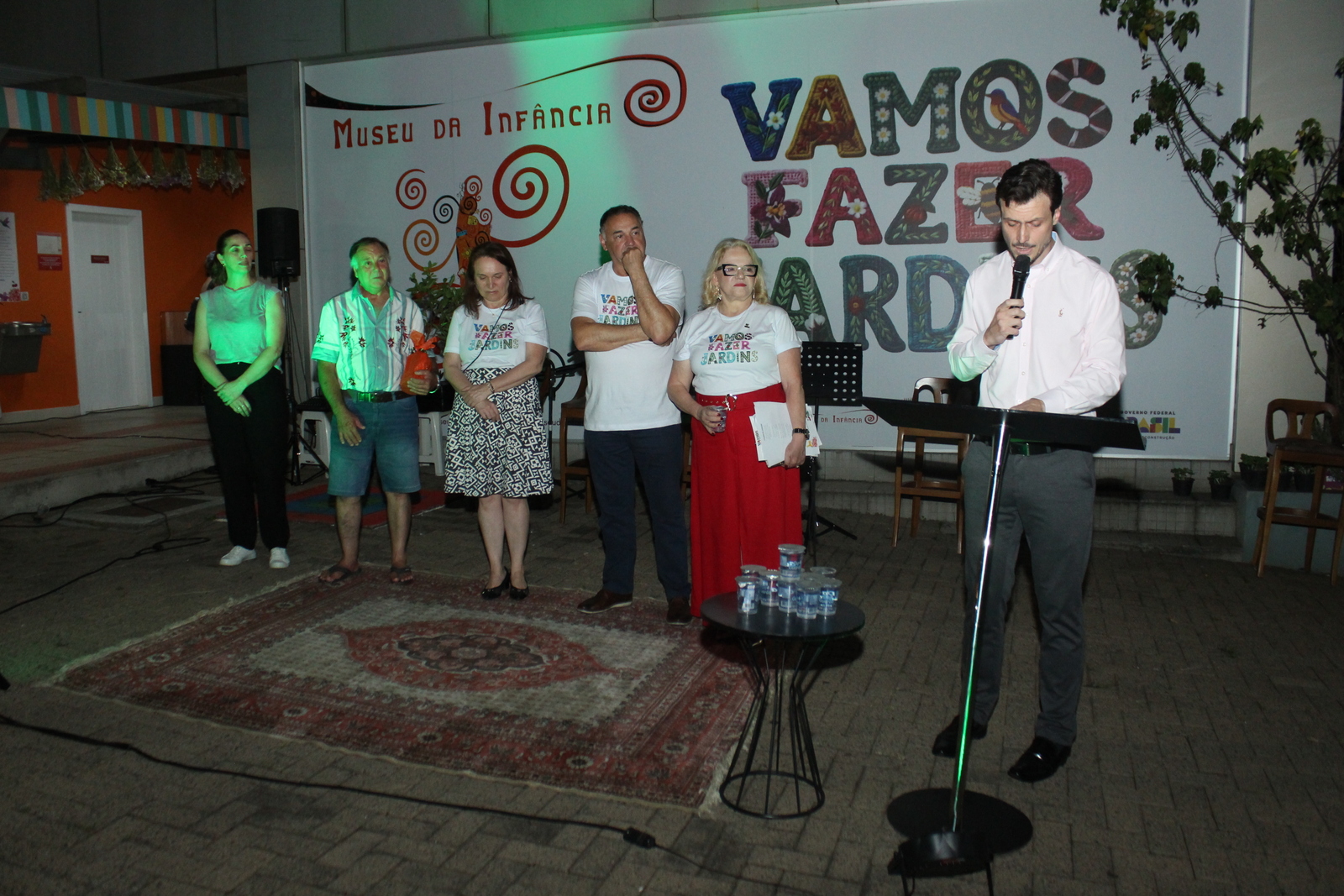
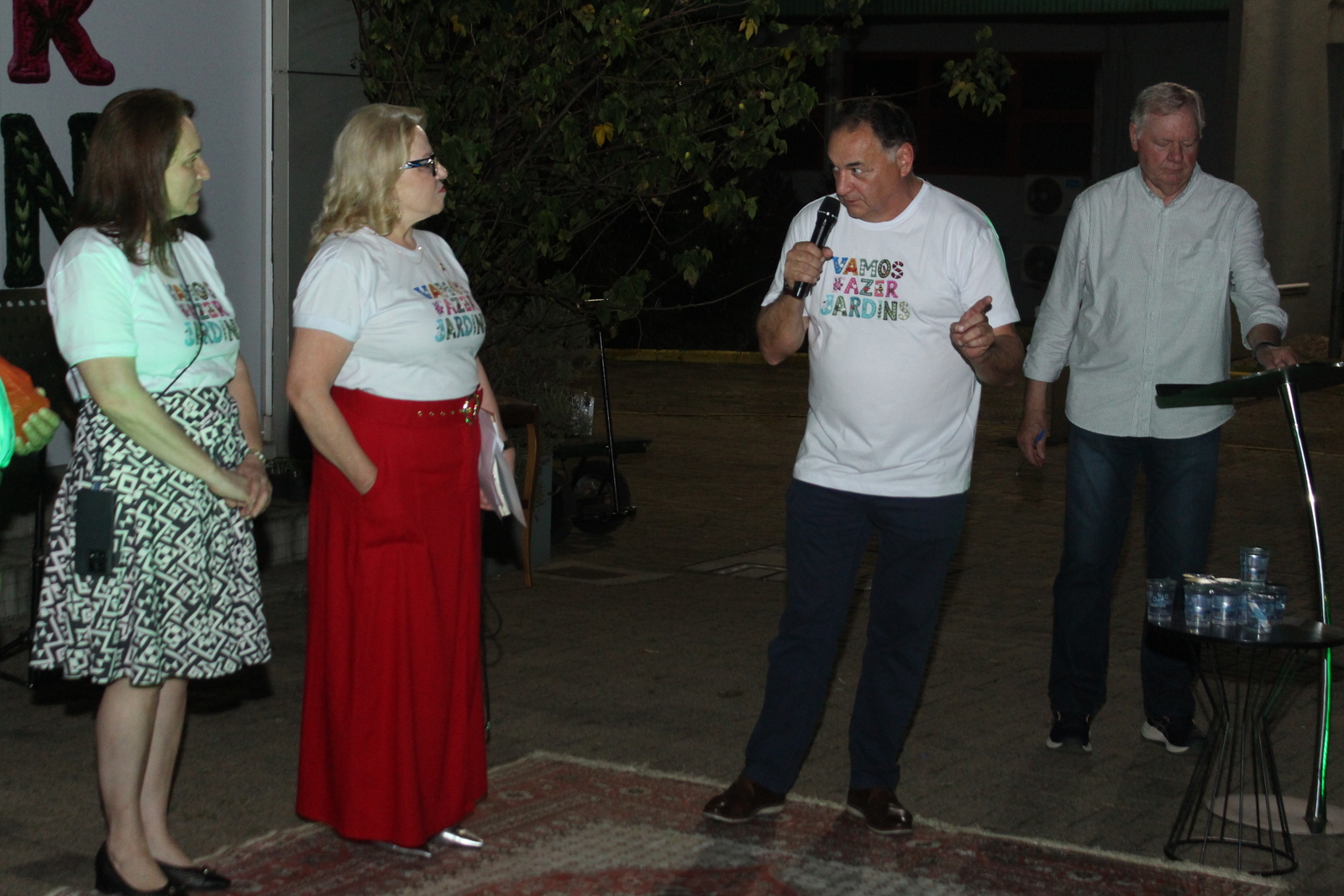
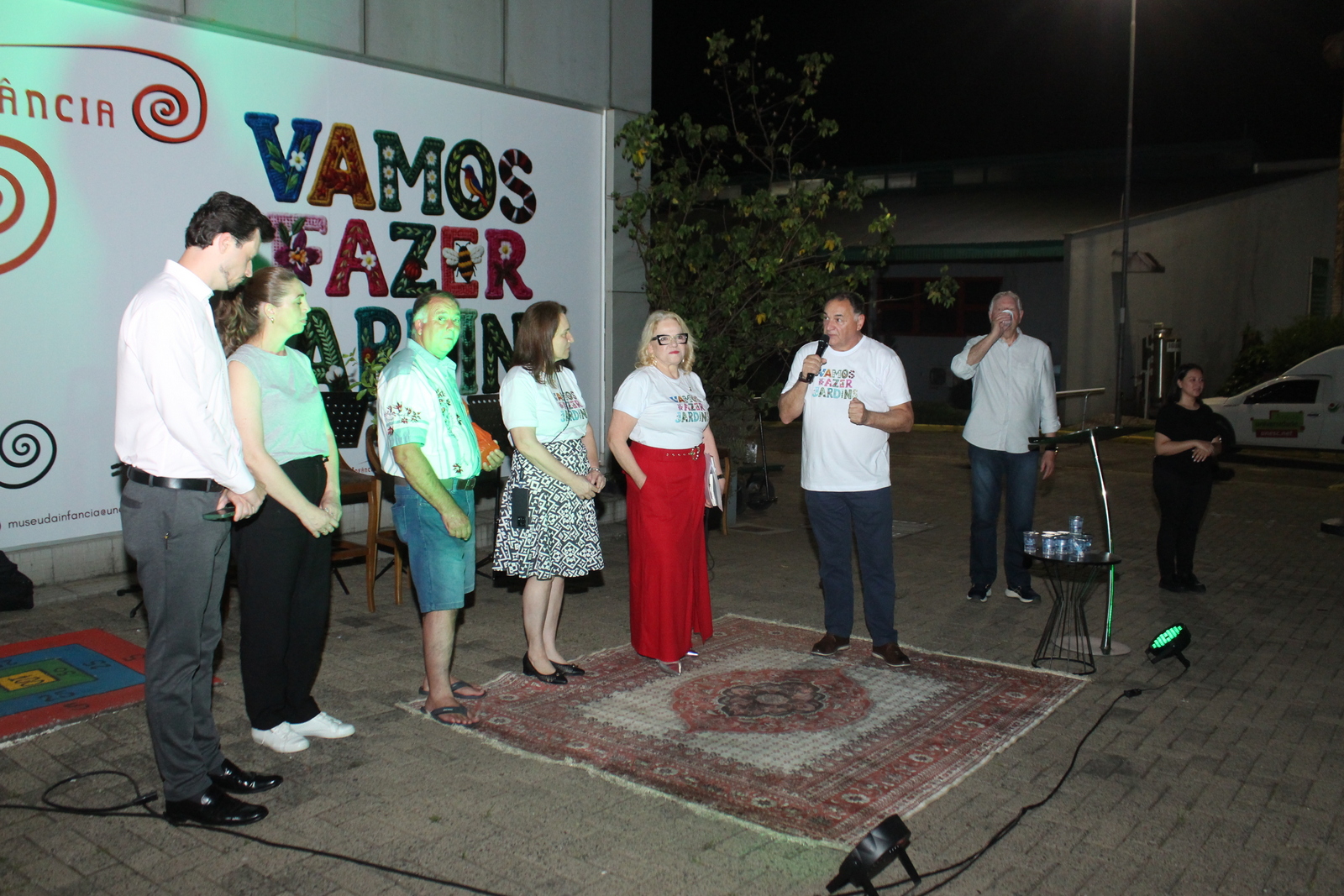
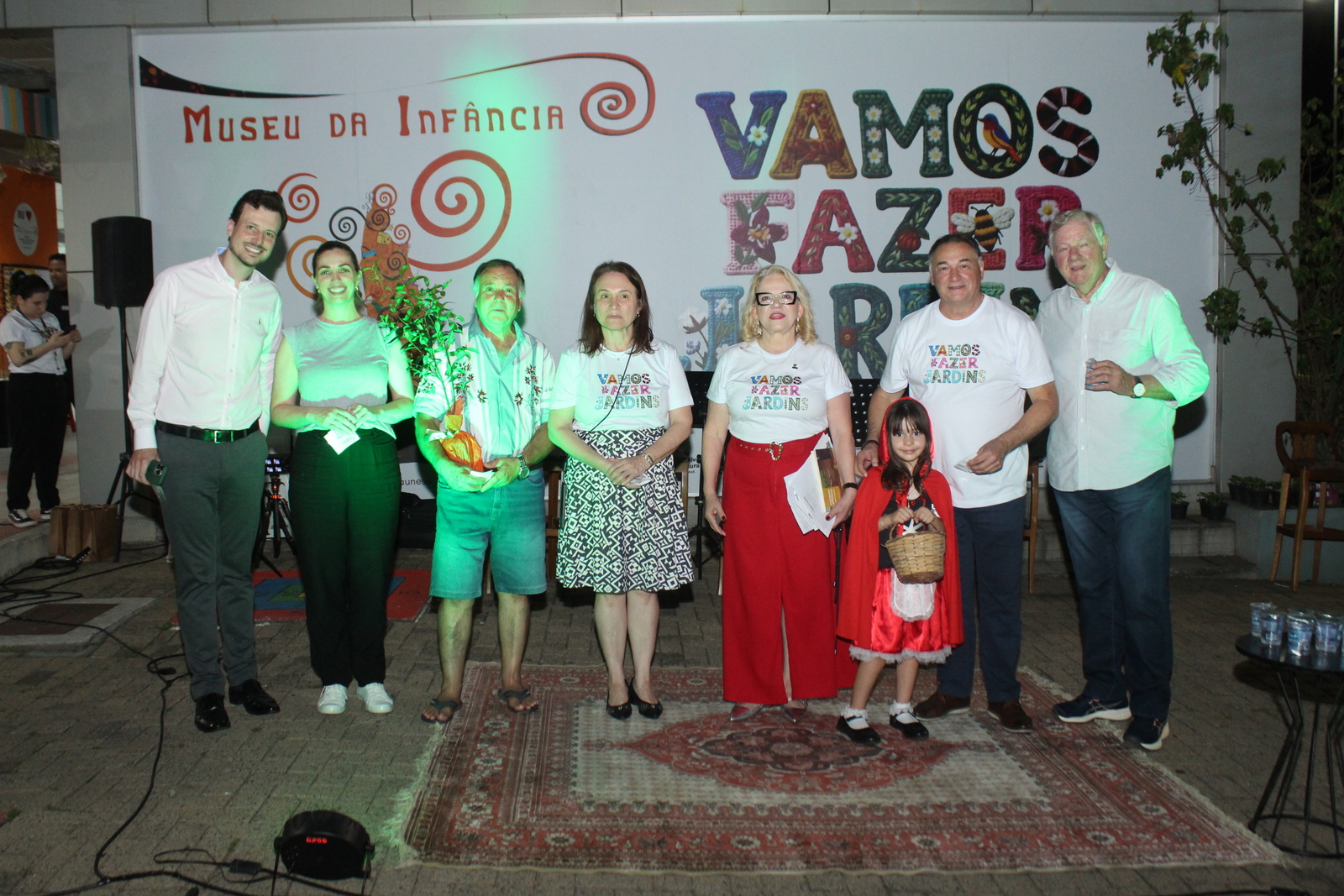
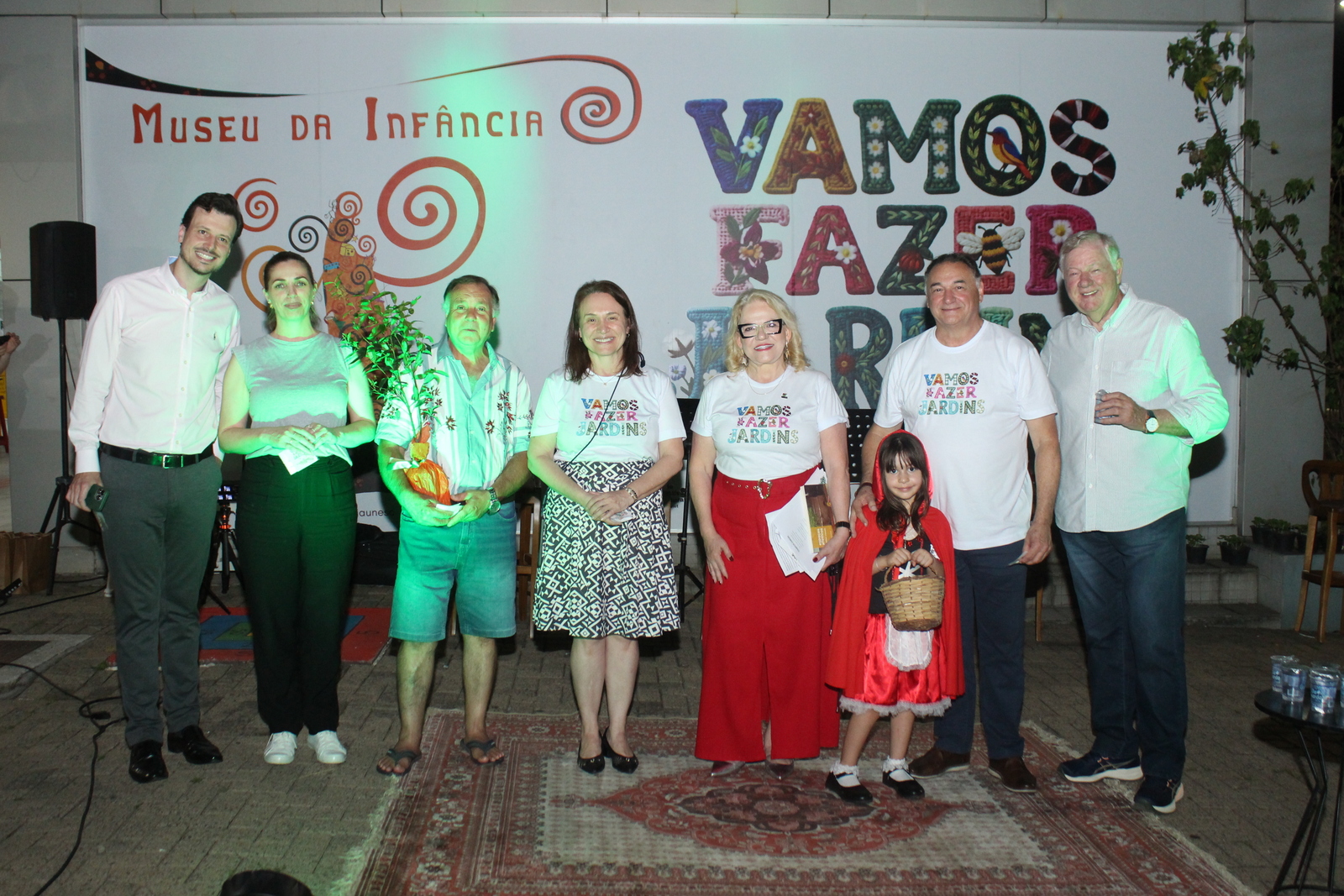
The Vice-Rector for Administration and Finance at Unesc, José Otávio Feltrin, who represented the acting rector Gisele Silveira Coelho Lopes, highlighted the pride of being part of a university that brings together people committed to turning dreams into reality and building new paths for the future.
In his opening remarks, he emphasized that the exhibition is the result of many hands and the involvement of professionals who worked with dedication and satisfaction to make the project possible. He also mentioned the importance of Casan's investment in initiatives that make a difference in society, especially in a space that welcomes so many children and contributes to the formation of new generations.
"It is a pride to be, have, and be in a university like this, with people committed to turning dreams into reality. An institution that rescues the past, articulates the present, and works with the purpose of changing the future. This project had many hands, and everyone who participated, who performed the services and helped build this space, did so with pride and pleasure," he highlighted.
An invitation to feel, play, and discover
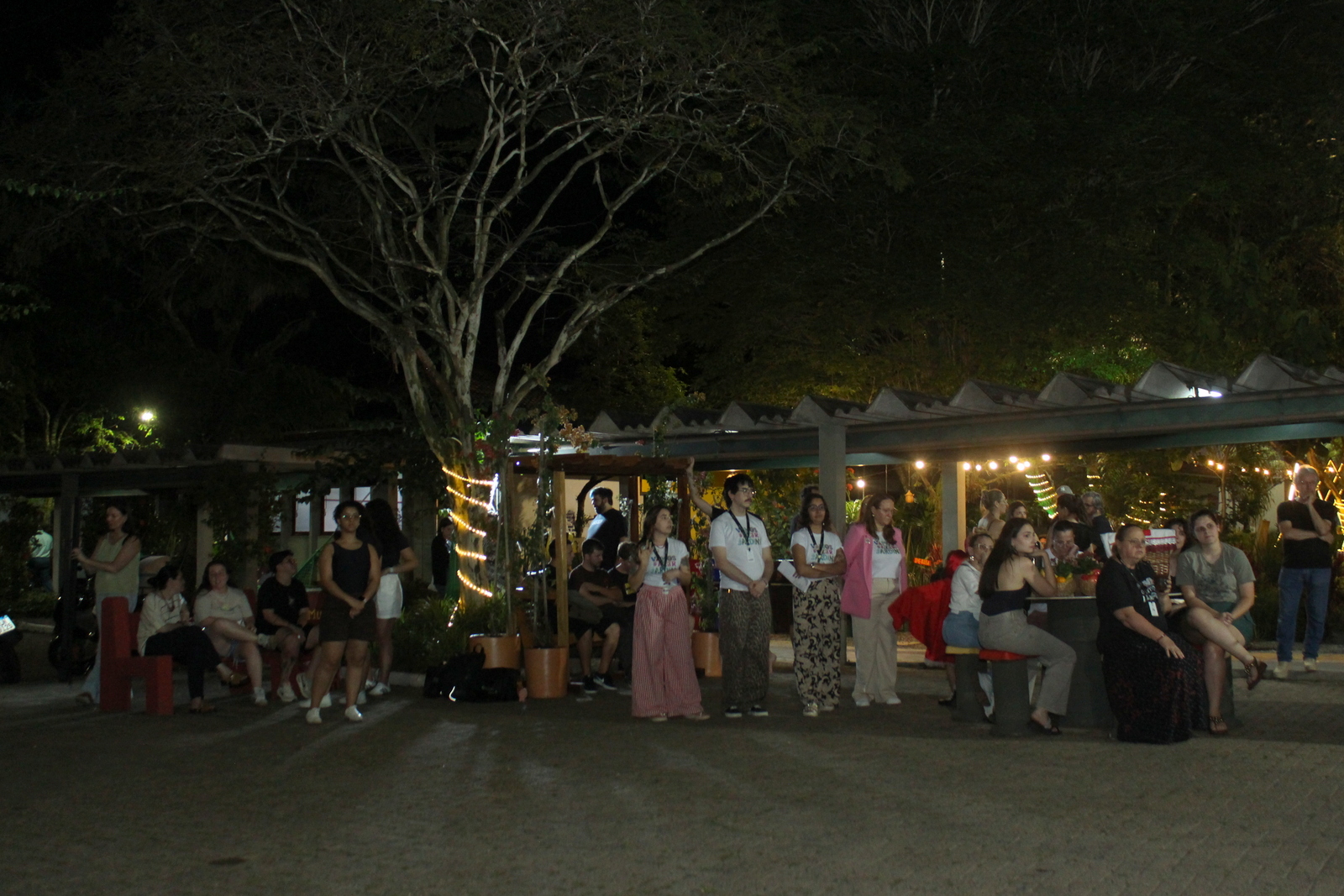
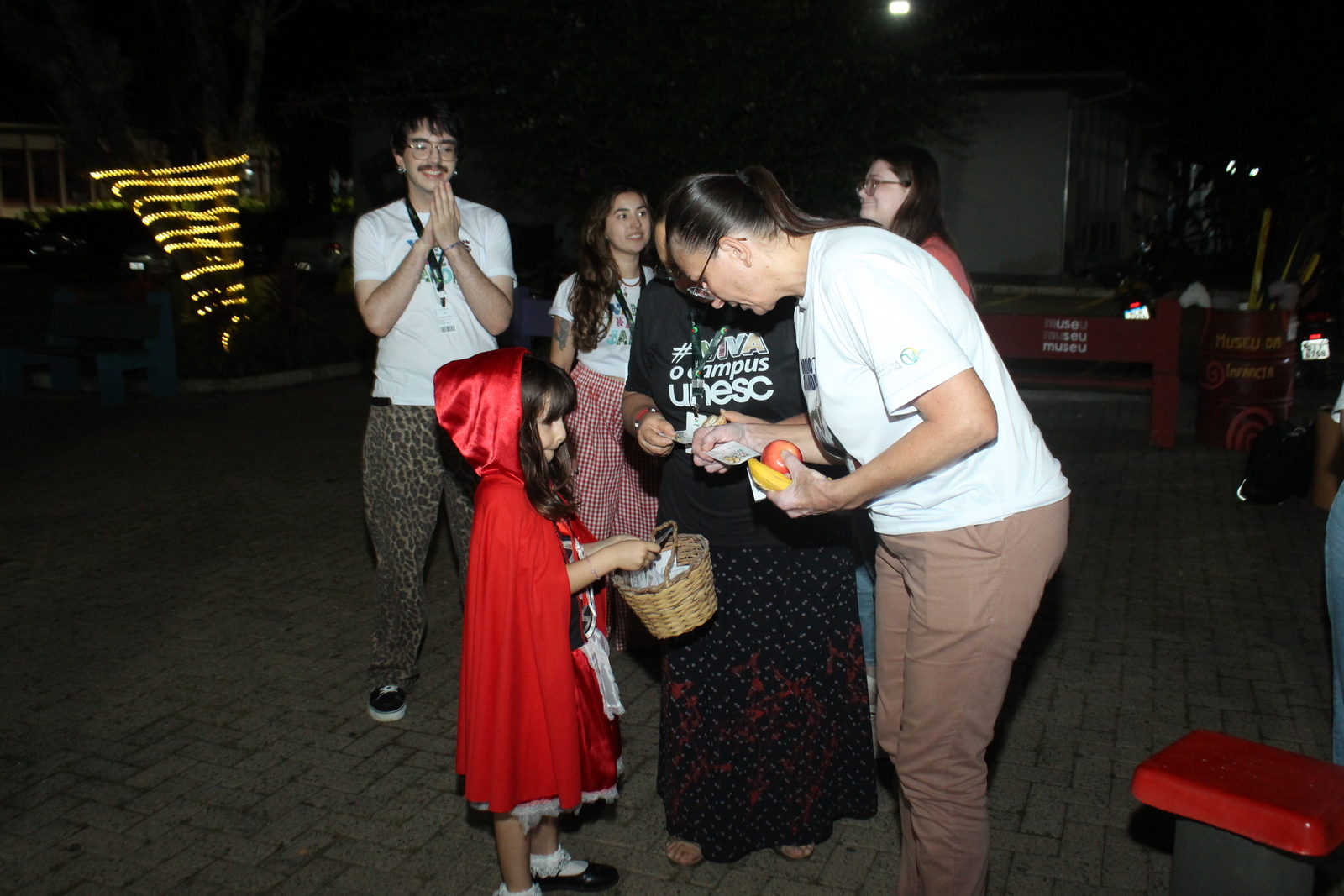
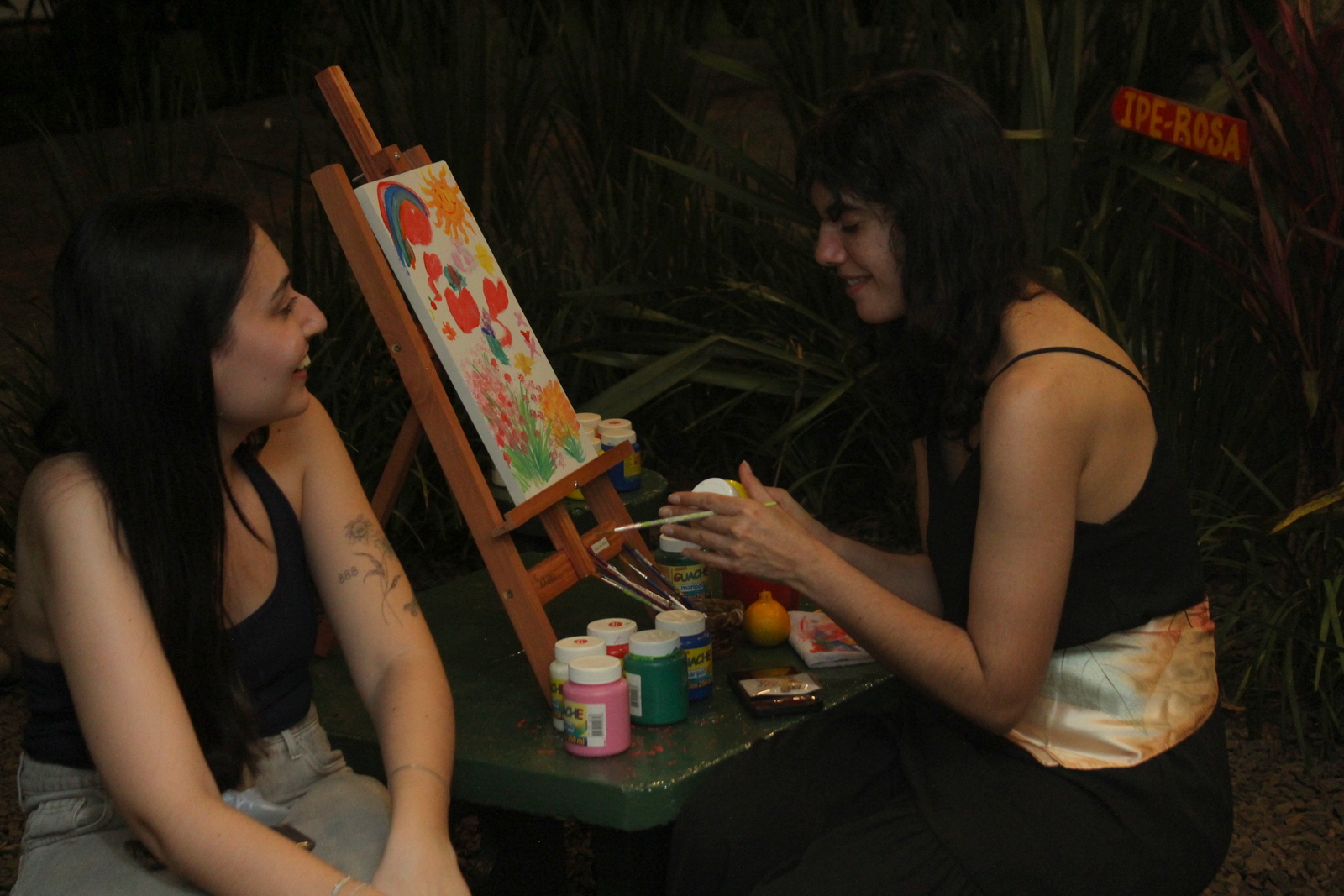
The path was designed to awaken the senses and provide experiences that especially bring children closer to the natural environment. Listening to the birds singing, collecting seeds, watering plants, rolling on the grass, walking barefoot, sitting on the ground, and observing the details of the landscape are part of this invitation.
Childhood occupies a special place in the proposal. Children are recognized as true gardeners and guardians of the future, capable of building, from an early age, a relationship of respect and affection with nature. "Finding their affectionate place implies a desire and a knowledge that it is allowed to sit on the ground, roll on the grass, climb trees, run, and play freely," Lenita emphasizes.
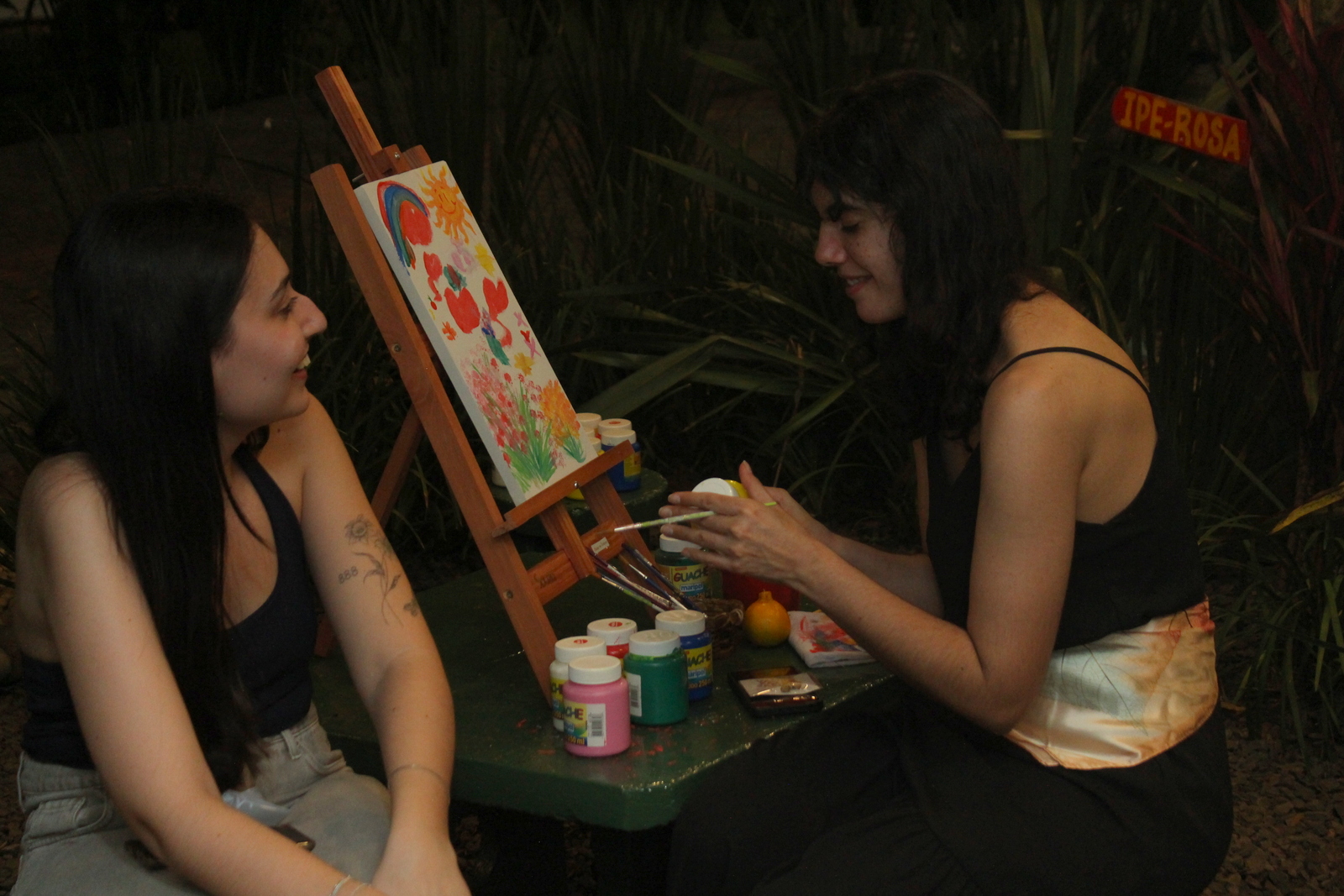 The professor also believes that gardens can transform the way people occupy spaces and relate to the environment. Natural paths invite walking, observing, reading, drawing, imagining, and even taking a break from routine.
The idea also finds meaning in the journey of those who work daily with the care of nature. For José Roberto da Silva, a collaborator at the Unesc Botanical Garden and visual artist, this relationship often begins at home, in childhood.
“Since my childhood, my first mentor was my mother. I have been bringing this culture of cultivating, planting, knowing plants, and having a closer relationship with nature. It is very important to bring this to the Museum of Childhood as well. Children are like a book to be written. We can take them to work with the soil, plant, sow, know, and love plants, vegetables, birds, and animals. All of this has a connection,” shares.
The initiative also addresses one of today's major challenges, the climate crisis. According to Carlos Renato Carola, a researcher at Unesc's Graduate Program in Education (PPGE) and advisor for the curator's doctoral research, transforming the campus into a large garden is a way to bring the University closer to environmental discussions and contribute to the formation of a more conscious society.
“The concept of the Garden Campus is a way for the University to contribute to tackling the climate crisis through environmental education actions. It is important to create a connection with nature from early childhood. What is lacking in the world and in modern life is precisely returning to that connection. I believe this project has that purpose and could become a reference for Santa Catarina,” he assesses. 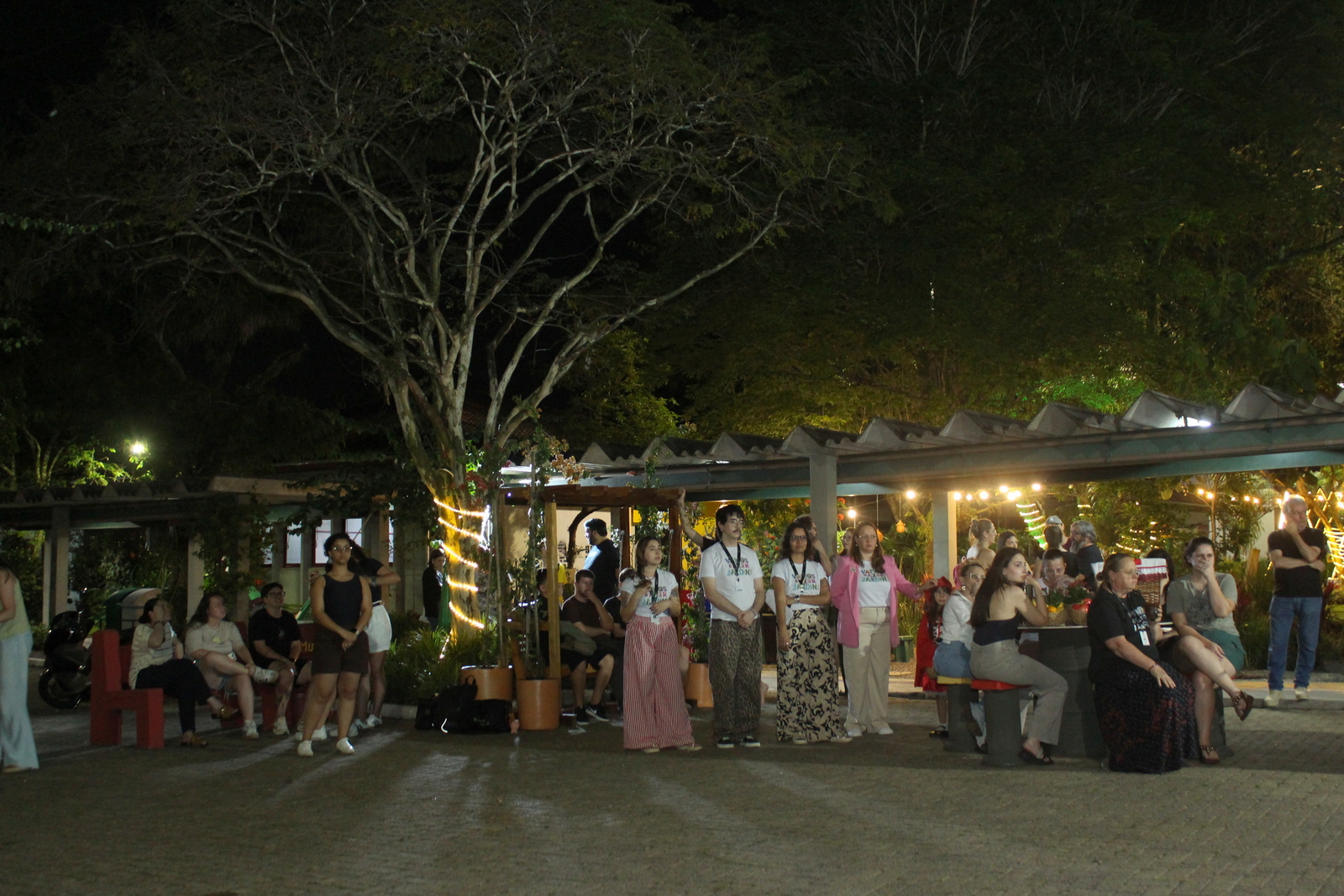
The proposal also represents a new possibility for the Museum of Childhood, which expands its presence and cultural function by occupying the open spaces of the University. Museologist Valdirene Böger Dorigon highlights this characteristic as one of the special aspects of the exhibition.
“I am very happy that the Museum of Childhood has expanded its function, moving away from the traditional model of collections displayed in closed spaces. It is a museum with open doors, which now also includes the garden. It is very beautiful to see adults and children arriving, participating, and following all this work. I have observed the growth of the museum, the professionalism, the care, and the dedication to the collection, to the people, and to the culture of our region,” she comments.
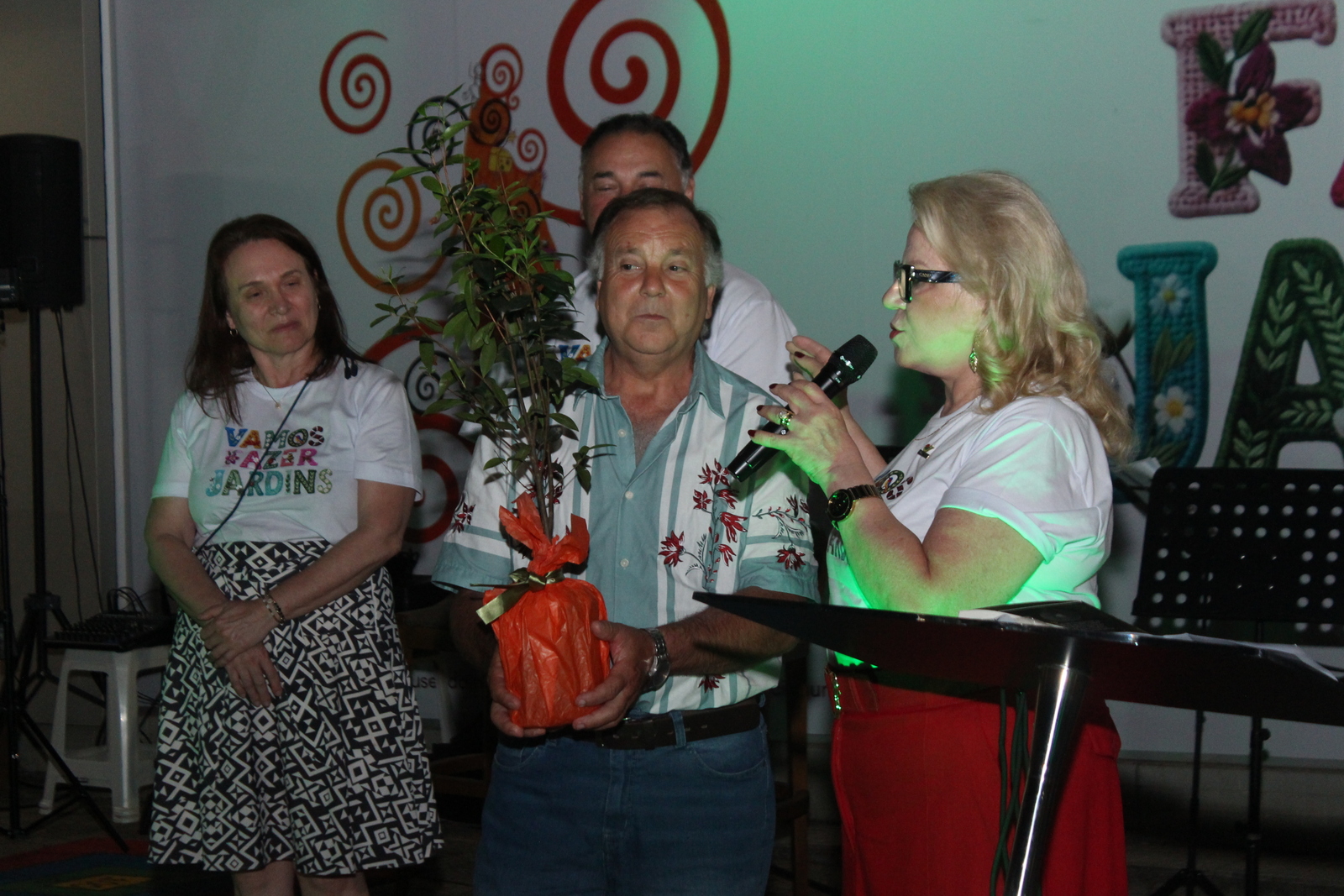
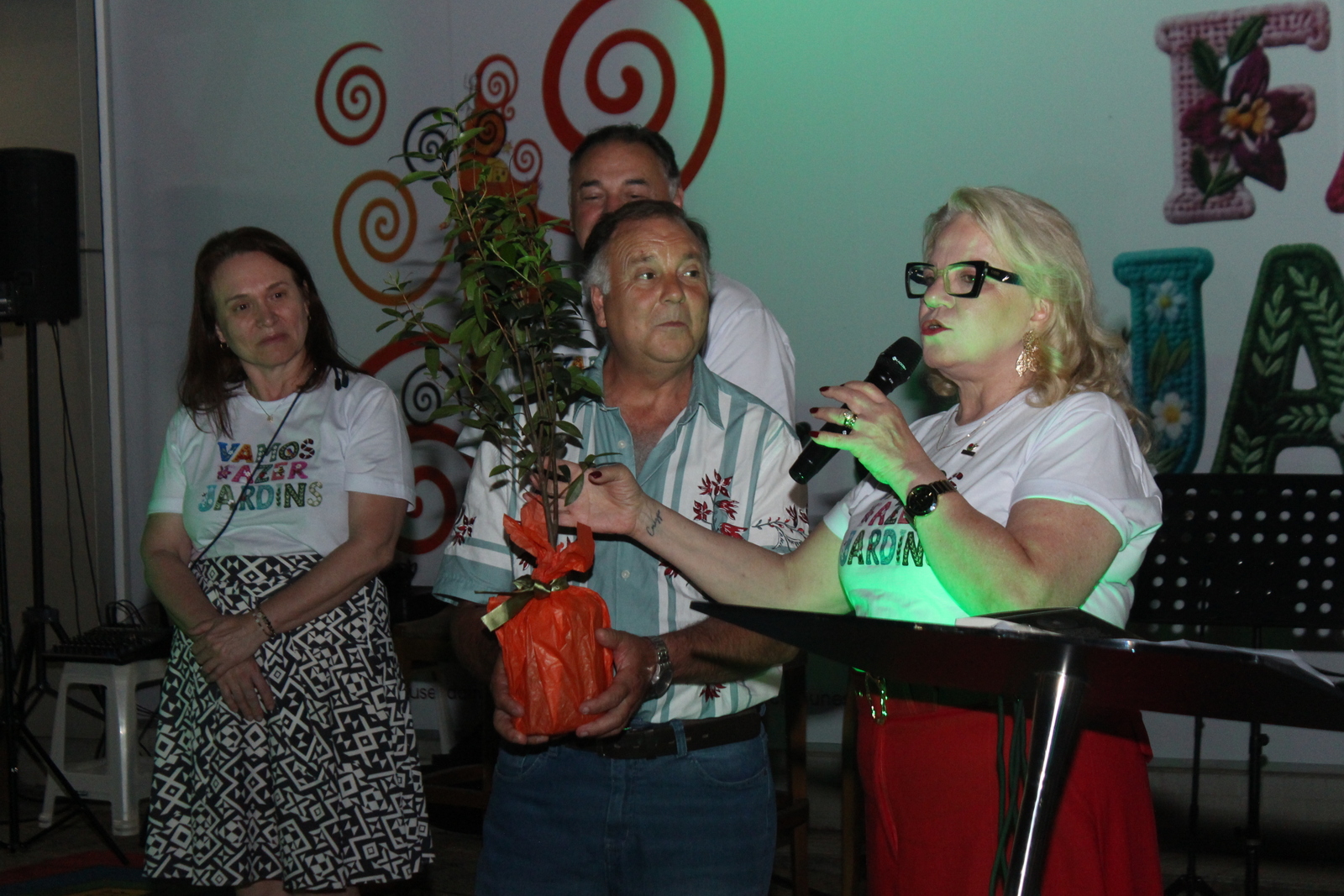
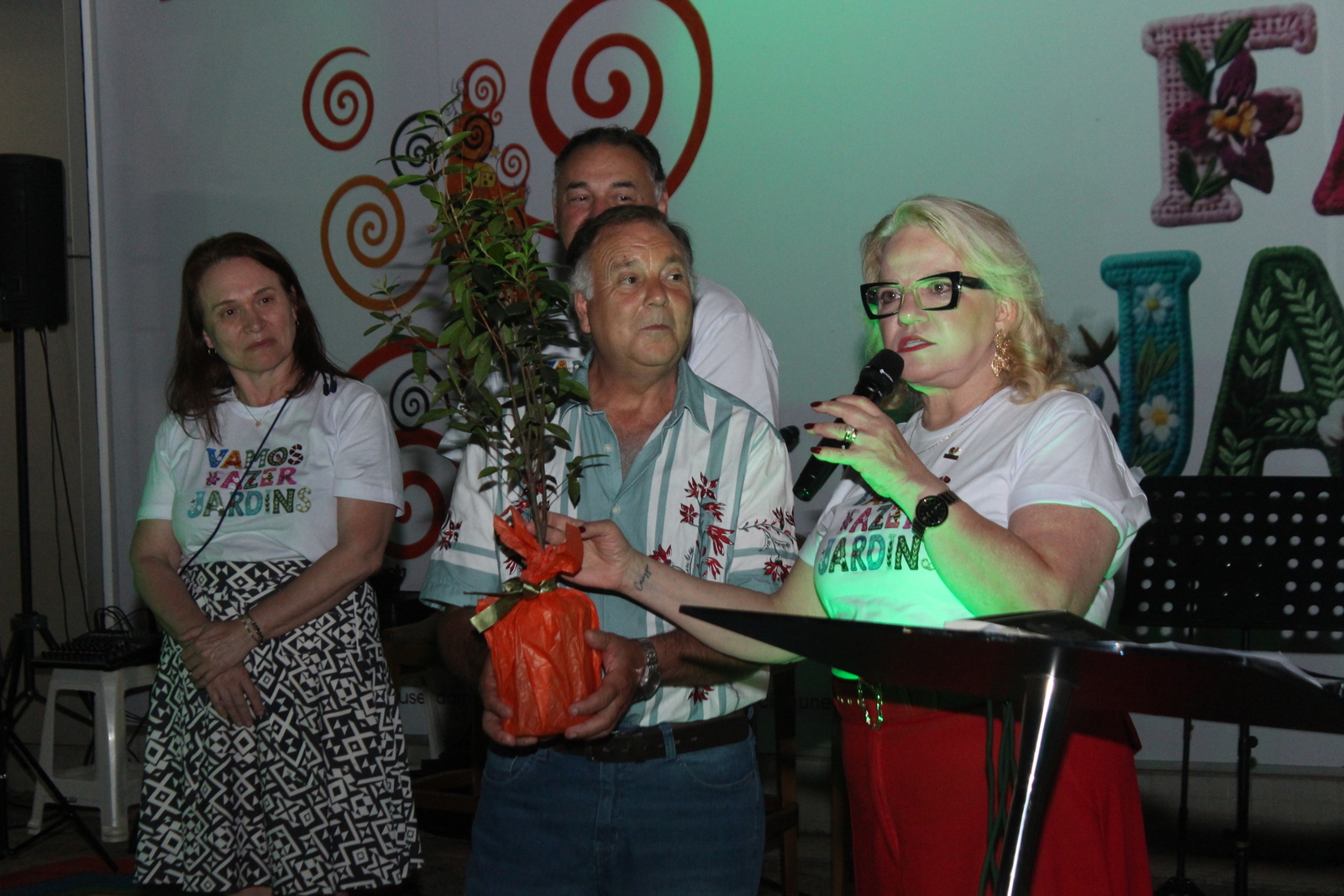
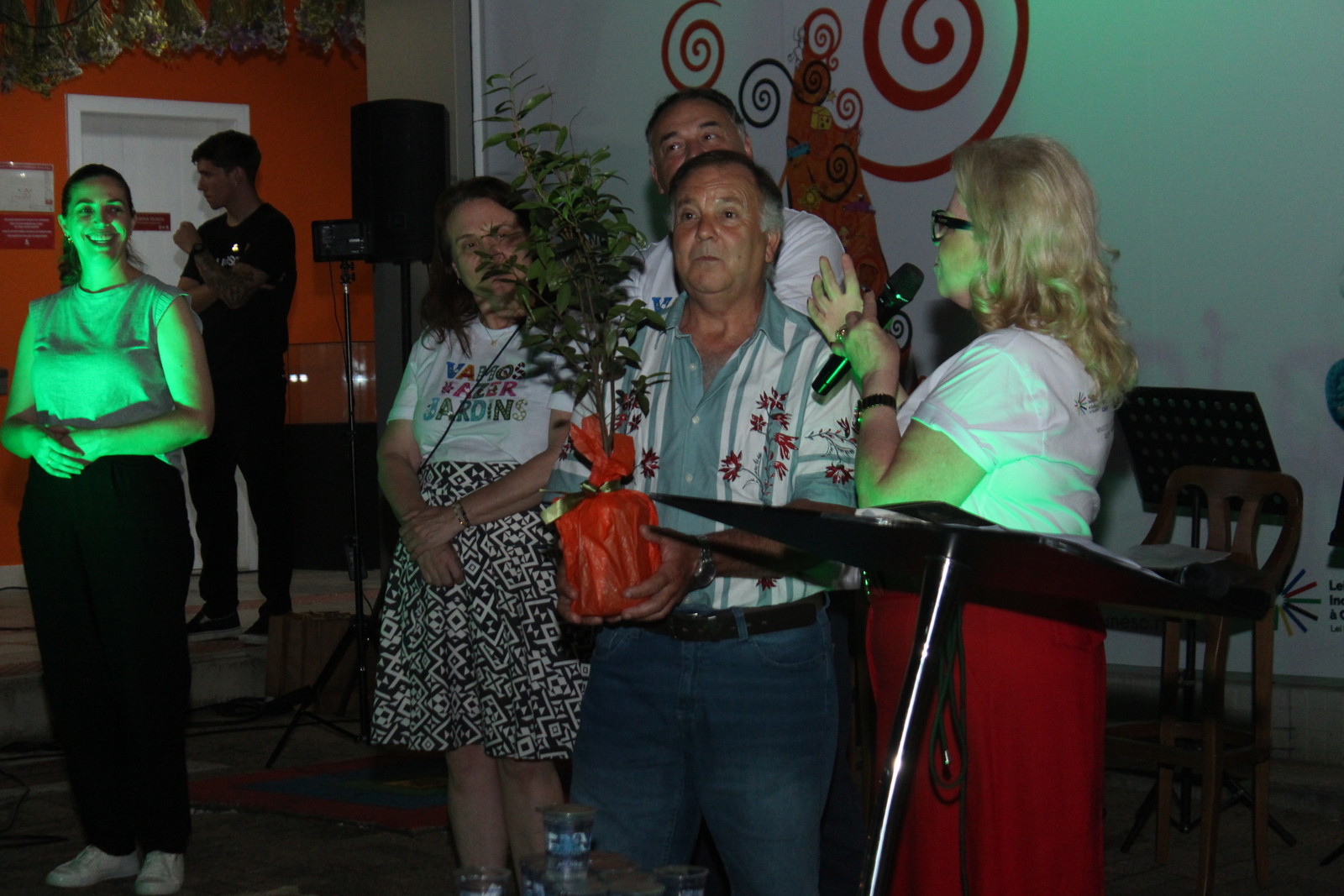
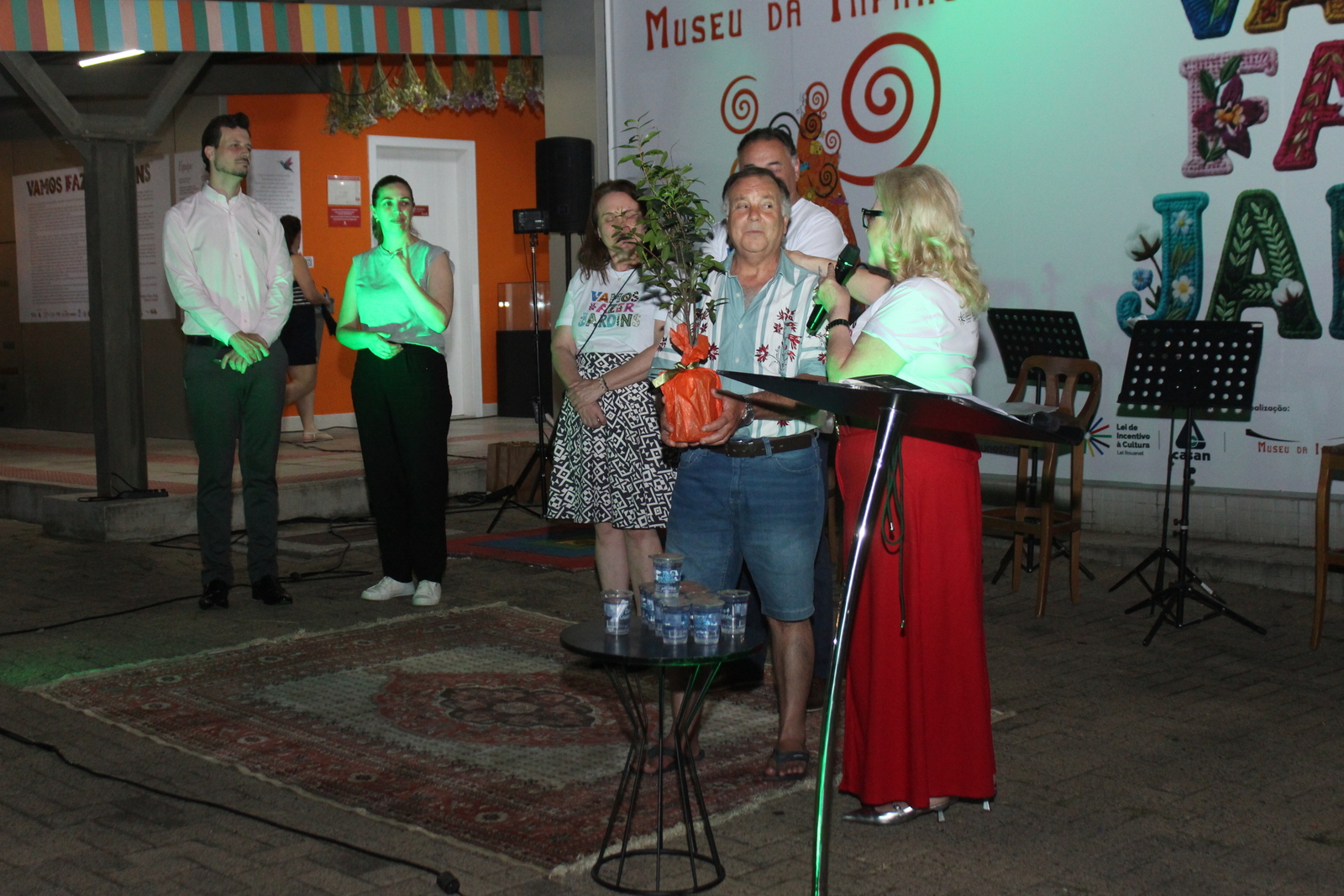
Pitanga becomes the symbolic fruit of the Museum of Childhood
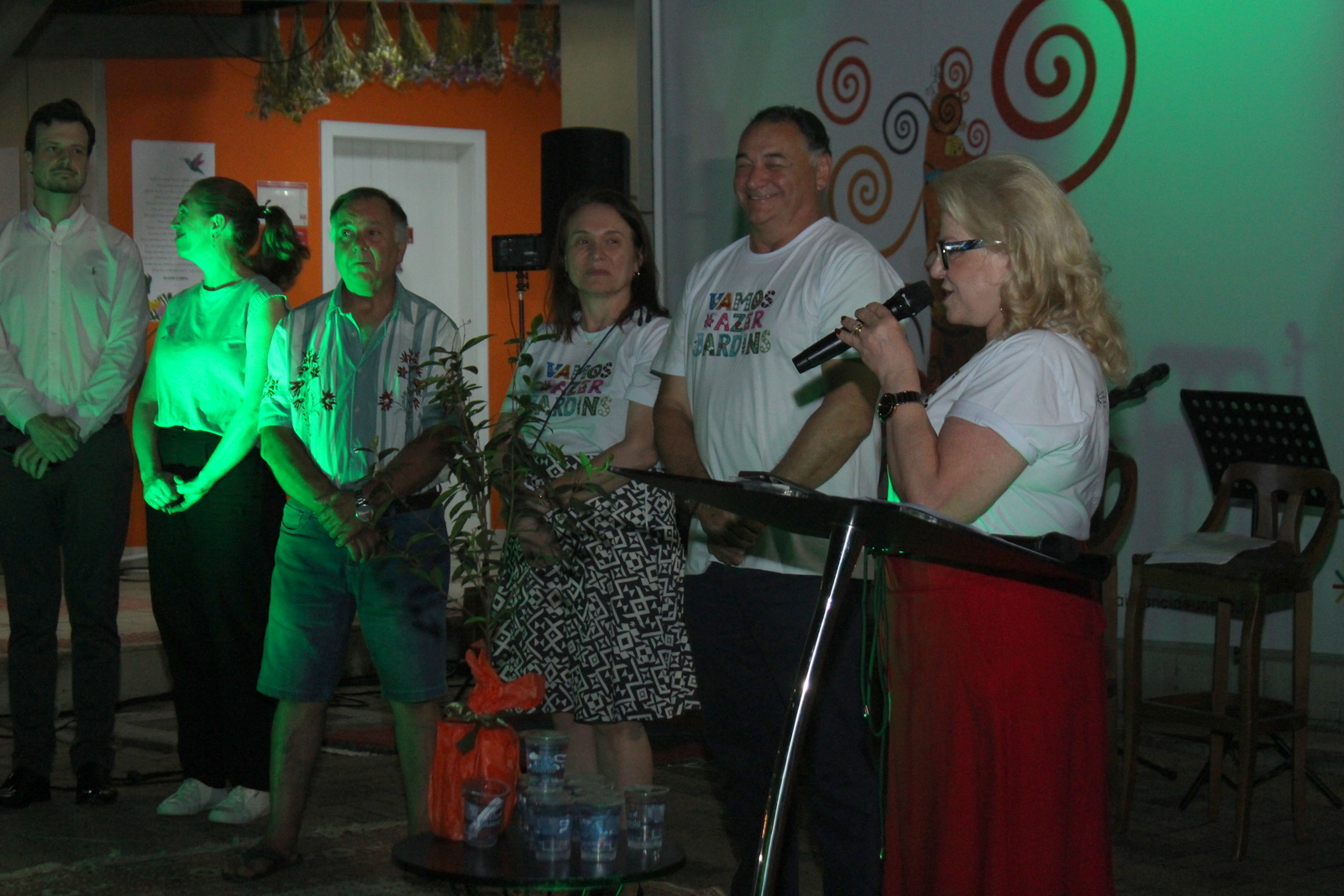
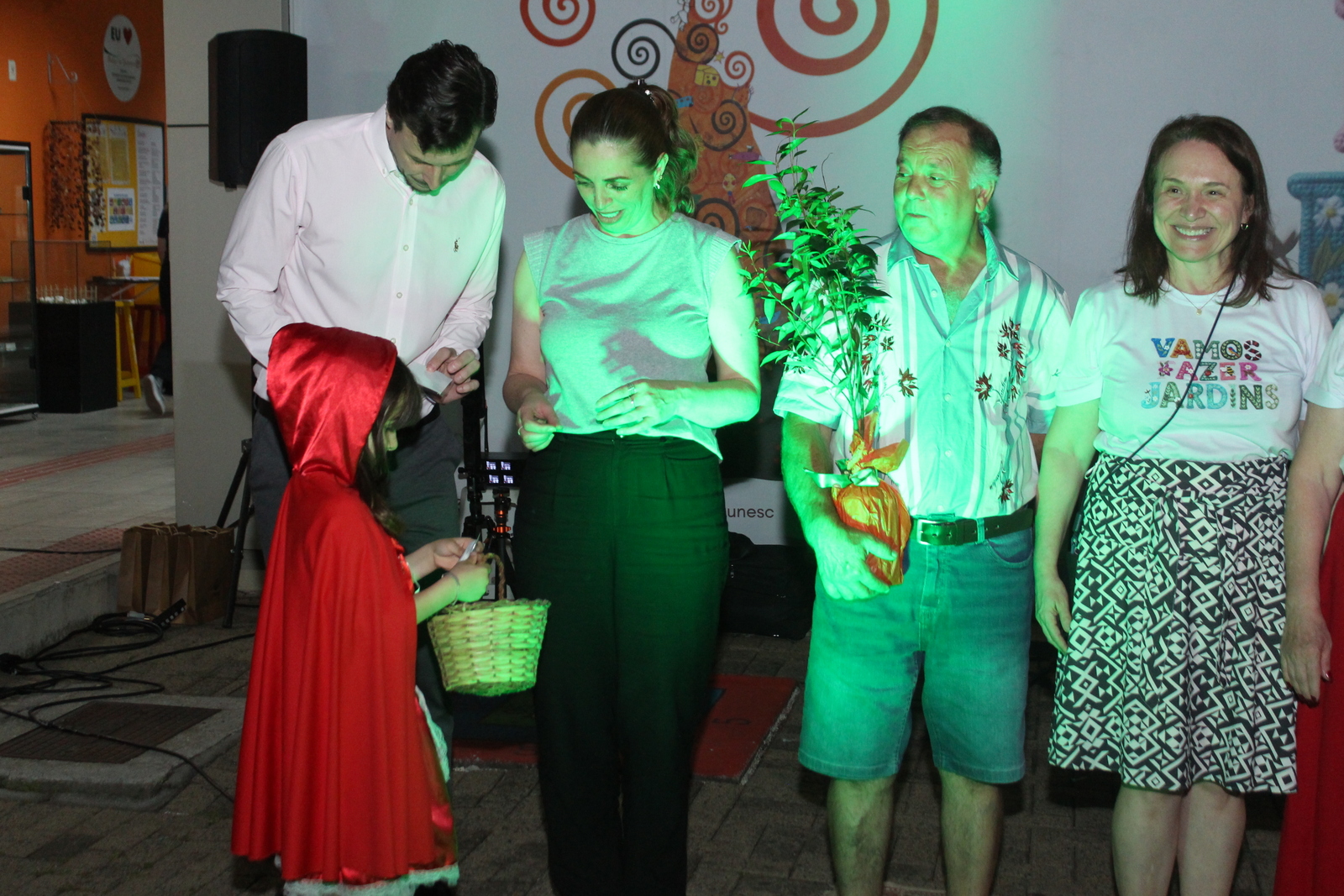
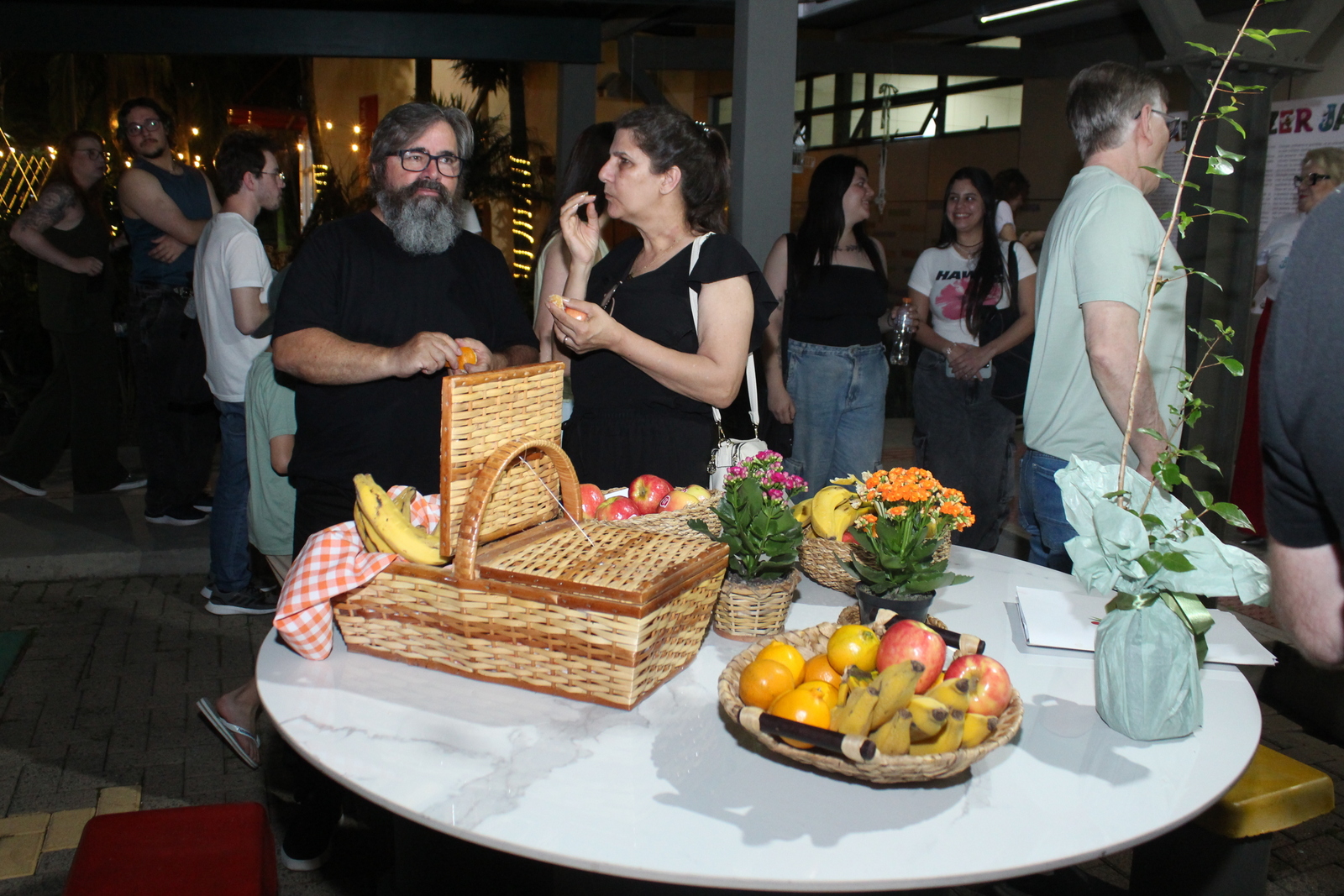
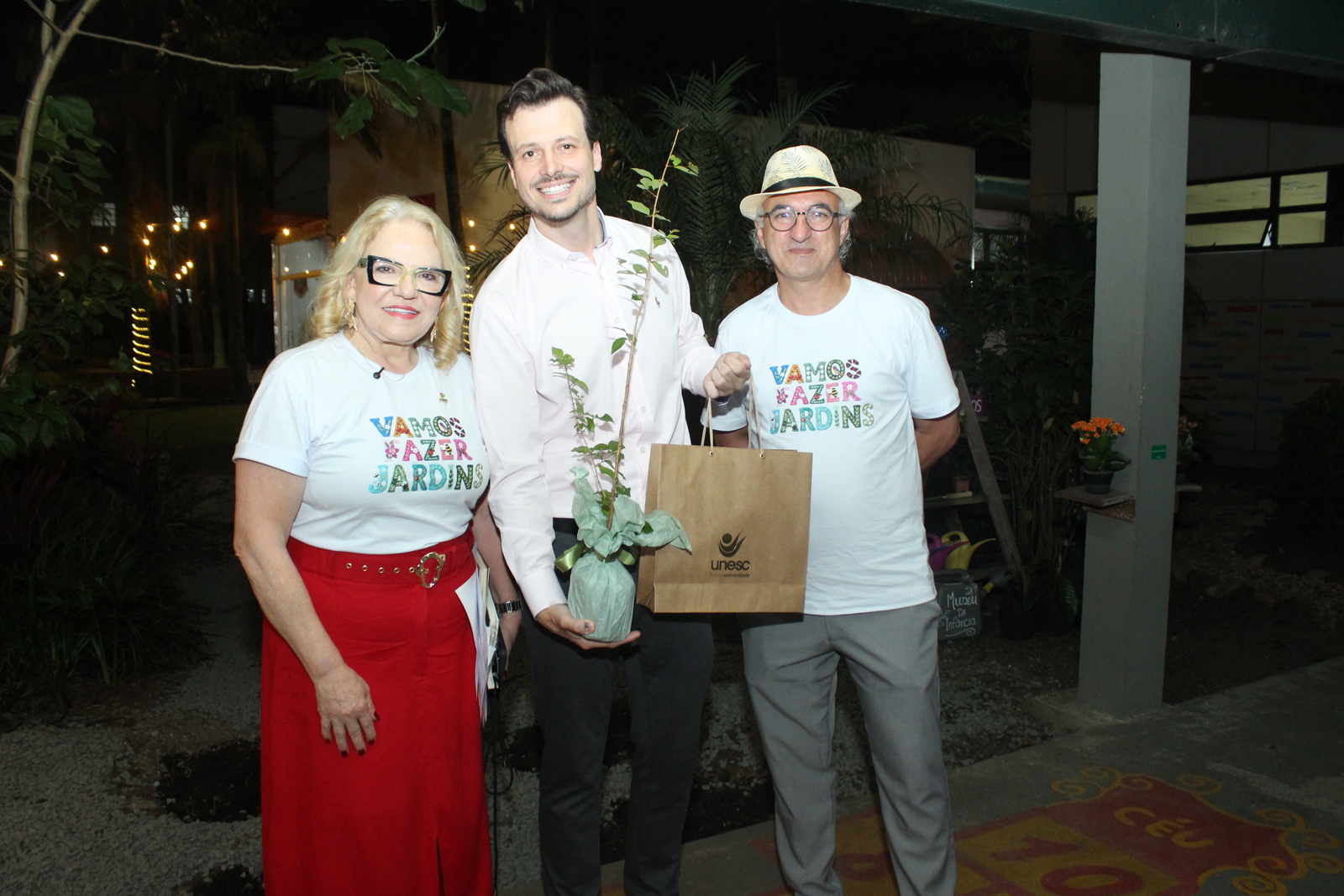
The program was also marked by the choice of pitanga as the symbolic fruit of the Museum of Childhood. This initiative continues a proposal to value elements of nature that was already present in another exhibition at the space.
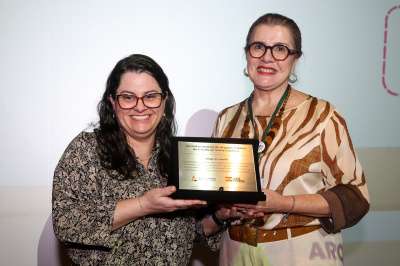
Another special moment was the tribute to José Roberto da Silva, the longest-serving gardener at Unesc, who dedicates his career to caring for the University’s green spaces. The recognition values those who contribute daily to making the campus a place of contact with nature.
Culture and sustainability walking hand in hand
The realization also demonstrates how the union of culture, education, and sustainability can generate fundamental experiences for the community. The project is an initiative of the Ministry of Culture and Unesc, through the Pro-Rectorate of Research, Graduate Studies, Innovation, and Extension (Propiex), the Directorate of Extension, Culture, and Community Actions, and the Museum of Childhood. The exhibition was made possible through the Rouanet Law (PRONAC nº 2415798), with exclusive sponsorship from the Companhia Catarinense de Águas e Saneamento (Casan).
For Natan Marcondes Monteiro Osório, advisor to the presidency of Casan, the support represents the application of resources allocated to culture in an initiative that brings people closer to fundamental themes for the future.
“Stepping onto this campus today, I feel proud to see how that seed planted back then has grown and transformed into the Unesc of today, a reference that nurtures talents and contributes to the development of Santa Catarina. Among these people is our rector, Luciane Bisognin Ceretta, who is currently on leave to serve in the State Government, bringing her knowledge and experience to new spaces. And it is precisely about planting and flourishing that we are talking today,” he said.
Osório also emphasizes that Casan is a profitable company that can allocate resources, through tax incentive laws, to initiatives capable of transforming social and cultural realities. Instead of simply collecting these taxes for the Union, we seek to direct these resources to projects in Santa Catarina, ensuring they return to society in the form of benefits.
“It was precisely during this new cycle of the Company, when I held the Administrative Directorate, that we had the opportunity to analyze and approve institutional support for this project, through the Federal Law of Incentive to Culture. Returning now and finding this result materialized in this museum without walls, fertile in possibilities, shows how a well-managed public company can give back to society much more than its core activity. Over the past four years, Casan has been supporting projects through cultural incentive laws. Today, we were gifted to see this investment transform into a social initiative within the Museum of Childhood. The resources generated by society, including those from taxpayers who pay their water and sewage bills, return in the form of projects like this. The connection between sanitation and the environment is direct; these are themes that walk together. For us, it is a great joy to be part of this story,” he affirms.
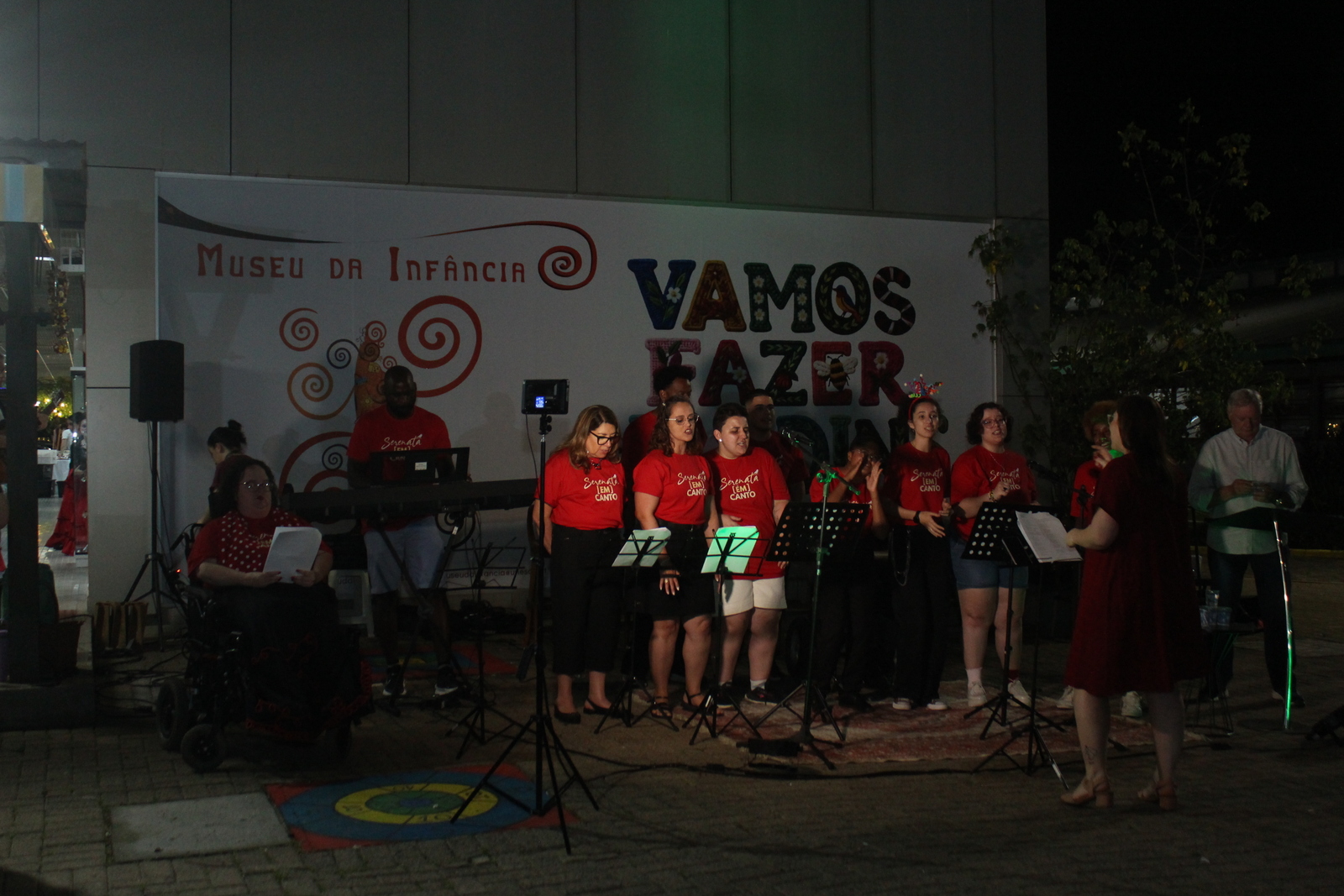
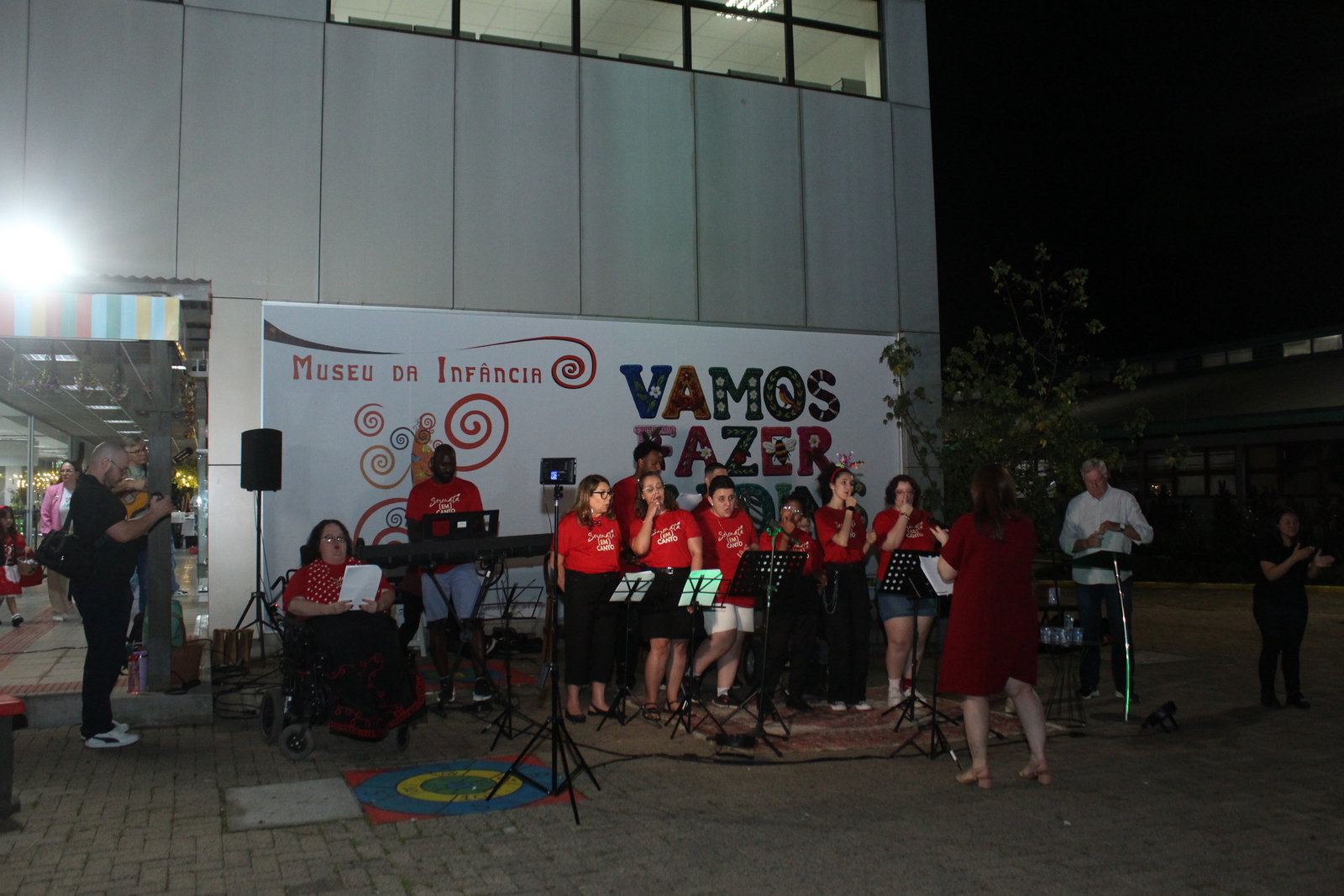
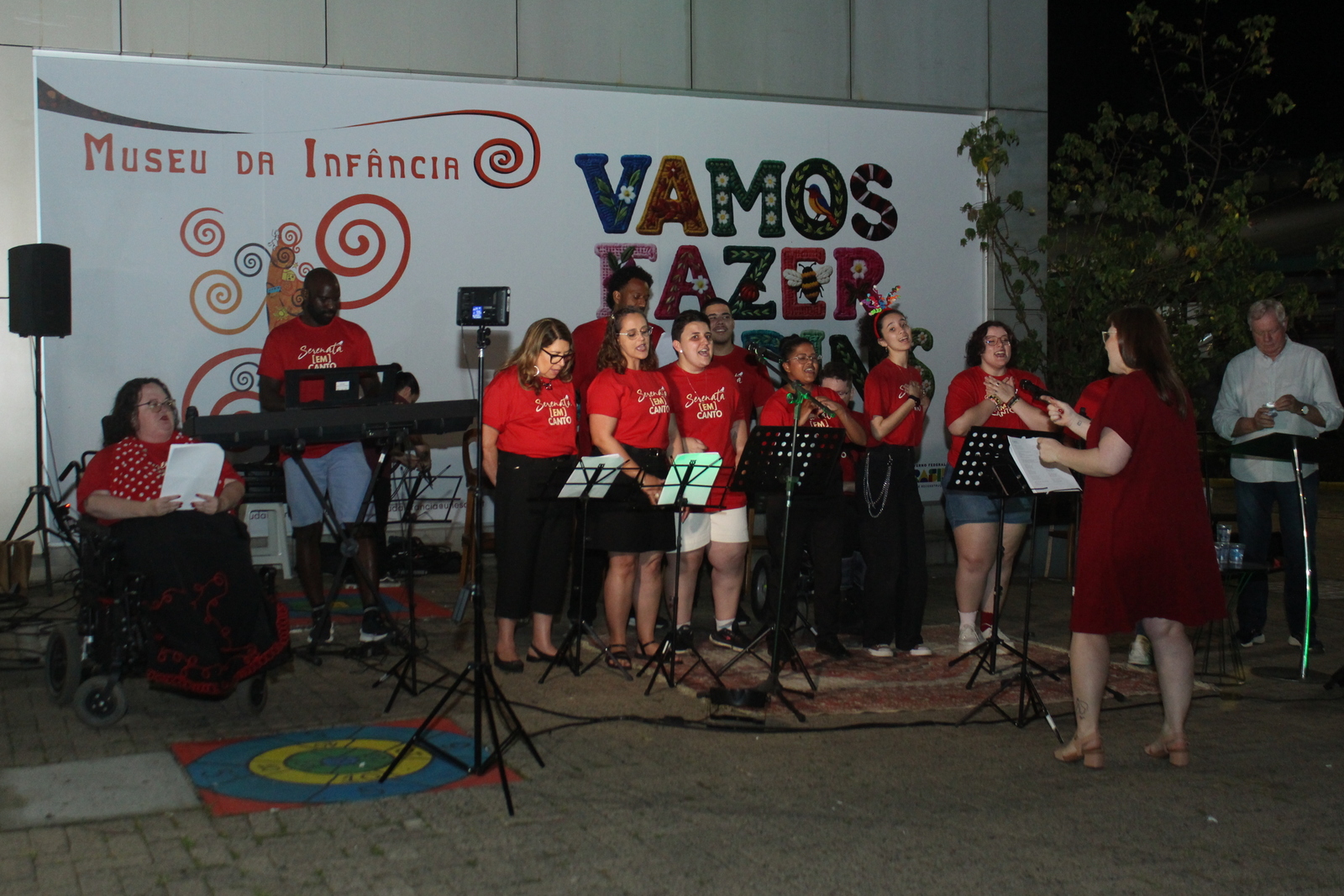
The exhibition also includes accessibility resources, including audio description, content in Libras, and tactile flooring.
Exhibition
Visitation is open to all audiences until September 22, 2027. Guided visits can be scheduled by phone at (48) 3431-4517, by email museudainfancia@unesc.net or through Instagram @museudainfanciaunesc.